Excitement, Impatience and Waiting

The day before Thanksgiving a facilitator, P. came over to work with Emma.  I met P. at the AutCom Conference in October and asked him for some guidance in helping Emma communicate more effectively through typing.  And while Emma is verbal, she can voice basic desires, has even begun to comment on things going on around her, she has not communicated more complex thoughts.  I know Emma is intelligent with a great many ideas and interests.  I want to help her express herself in whatever way proves most advantageous, whether that is verbally, through typing or some other, still unknown, way.   I want to help her be a full participant in this world so that she can have choices and options available to her.

P. has facilitated people for several decades, so I felt confident he would be able to help me learn how I can help Emma better and was excited to have him work directly with her while I watched.  We started with a number of apps, Emma had no trouble pointing, using her index finger to match words with images that she knows.  But in the past when it comes to typing an idea, Em will usually type, “yes” or “no” and then repeat the question, which is what she was taught to do with her most recent literacy program.  I am hoping Emma can be encouraged to move beyond that.

As P. worked with her, slowing her down so she couldn’t simply repeat what had been asked, holding her arm at the elbow, putting up some resistance to her desire to type quickly, reminding her to write what she was thinking, asking if that’s what she meant, I felt tremendous hope.  P. asked Em to bring a book she liked.  She brought him a collection of fairy tales and plopped the large book on the table in front of him.  Em chose to discuss Goldilocks and the three bears.  Most of what was typed were fairly simple ideas about the bears and Goldilocks and the havoc Goldilocks causes (much to Em’s delight.)  But then P. asked Em what she would do if she went into her own bedroom and found baby bear in her bed, Em typed, “I would be scared and I would watch his mother.”

I read that sentence several times.  How can I describe the feelings that came with reading it?  How can I express the surge of hope I felt?  How can I possibly describe the feeling of euphoria?  This sentence, this idea was beyond what I have come to expect.  It suggested a whole other level of thinking, a thought process far beyond anything she has been able to express before.  It was a terrific idea, one I have discussed with both children during the summer months when we visit my mother in Colorado where we often see bears.  I have warned the children that if they encounter a bear, especially a mother with her cubs, to not get between them, to keep their distance, to keep their eye on the mother and to make loud noises.

But Emma wasn’t finished.  She then typed, “By the way, this is a very sad story.”  I was astonished.  I had a million questions.  Emma has never spoken this way.  Ever.  “By the way” is something both Richard and I say, both in jest as well as seriously.   Em has never uttered these words, let alone typed them.  And why does she think it’s a “sad story”?  What strikes her as sad?  Which part or does she think the whole thing is sad?  It is sad, I thought and then I Immediately went to,  I have to become trained in facilitated communication.  I have to find a way to communicate like this with Emma.  As I am not able to become trained in facilitated communication in the next 24 hours, I made an appointment to Skype with P. in another week, which feels like an eternity, and will try to do whatever I can to continue to learn so that I am better able to help my daughter become an independent communicator.

Between now and that Skype call, I am doing my best to manage my impatience, my excitement, my hopes and dreams and the reality that my daughter has a great deal to say and boy do I want to hear it all!

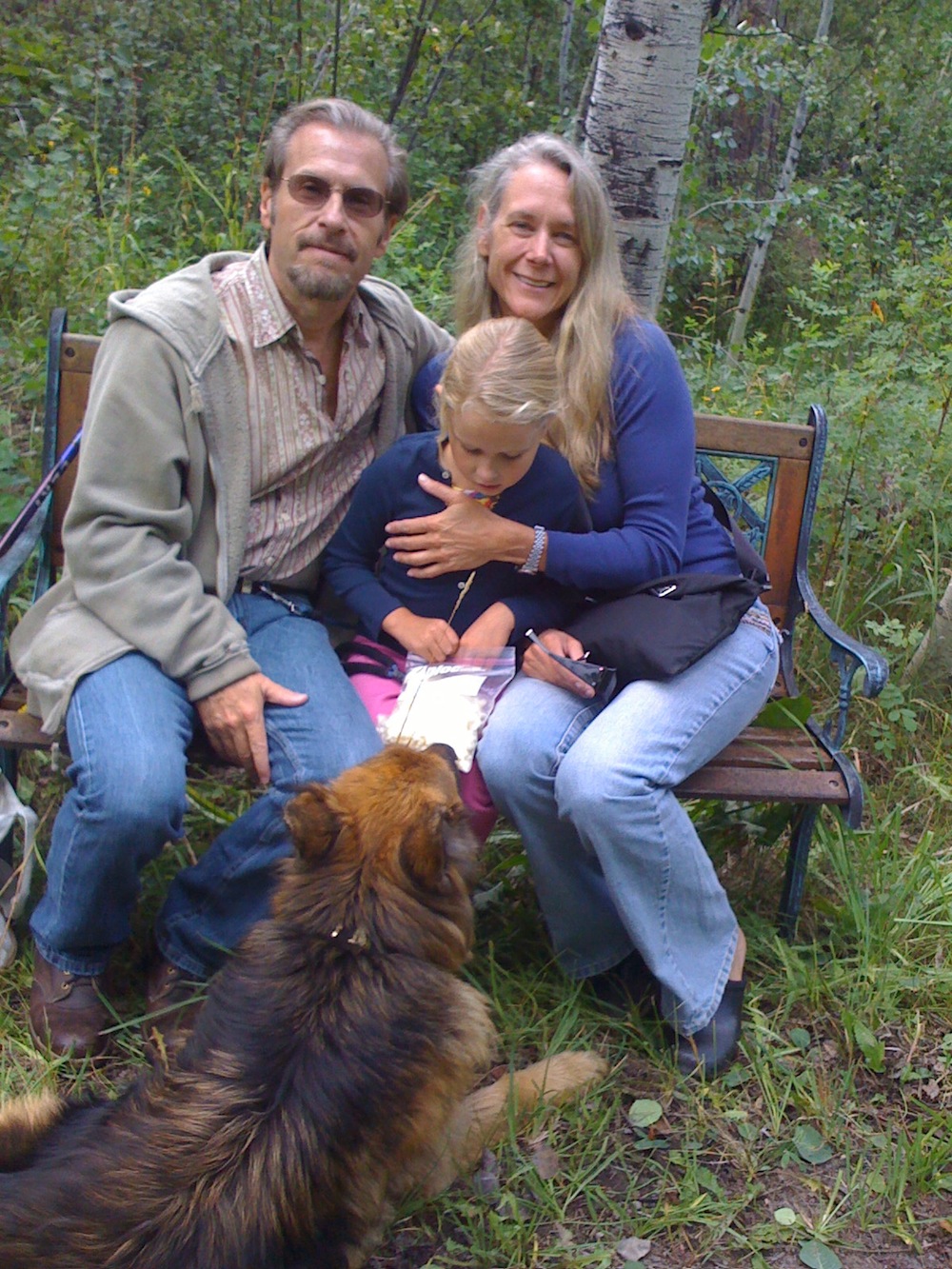
Em & P.

Related articles
A Story About Our Black Cat

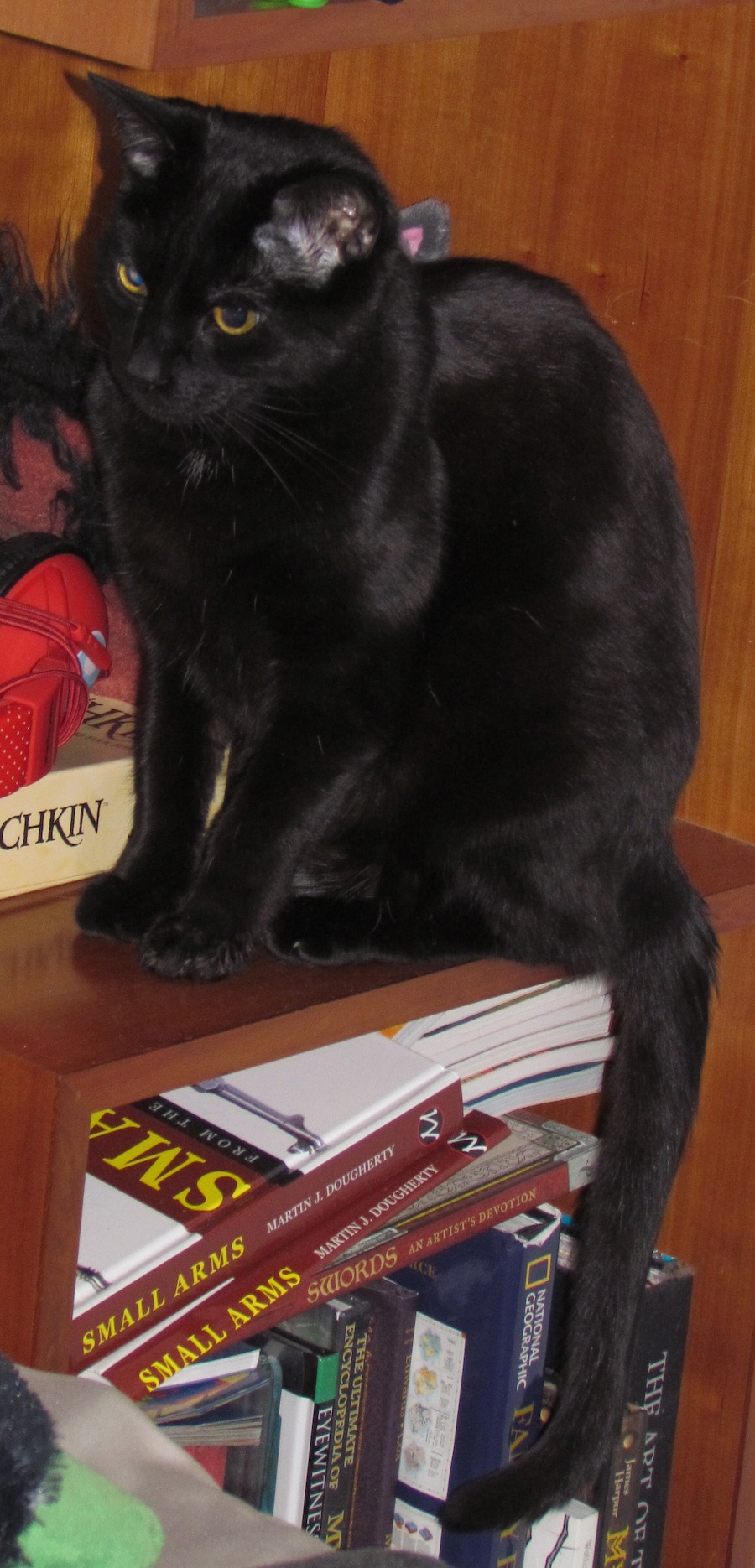
About nine months ago I read this post from E.  click ‘here‘.  It’s about her cat M. (I just loved she chose to keep him anonymous!)  When I found E.’s blog The Third Glance I went to the beginning and read every single post she’d written.  She was fairly new to the blogging world and so it was relatively easy to read all her posts in a few days.  I sent Richard the link to My Cat is My Hero because we have a black cat also with a name starting with the letter M.  Also from a rescue shelter and also a pet that we absolutely adore.  Unlike E.’s cat however, Merlin announces his presence to anyone who is capable of bending down to pet him.  He demands attention and shamelessly pursues anyone who seems remotely willing to give him his due.

Prior to Merlin, Richard was a self-proclaimed “dog man”.  He explained to me patiently that he did not particularly like cats, that given his preference he would surround himself with dogs.  In fact, Richard, when I brought up the idea of getting a cat after the children kept asking for one, said to me, “If you care about me and our marriage, you will not bring this up again.”  To which I replied, “I do care about you and our marriage.”  And the subject was dropped.  (By me.)  However that did not hold for Nic and Emma.  They brought the subject up repeatedly (and I did nothing to discourage them, though I will deny this to Richard, even after he reads this here, I’m still going to deny it.)  And finally when Emma said, in a particularly adorable and sad voice, “Bring kitty home?” while at our weekly trip to the pet store, Richard said, “What do you think about getting a cat?”  To which I casually replied, “Oh, good idea.” Eye roll and the slightest of smirks.

When we arrived at the pet store we explained that the cat we were looking for would need to be comfortable with children and loud music.  One of the employees brought over a rust colored cat whom he assured us loved being held and was a “lap cat”.  He was adorable, but Richard looking slightly ill, leaned over as I held the kitty in my lap and whispered, “We are not getting that cat, he looks like liverwurst.”  “He does not Dad!” Nic cried.  But Richard stood firm.  We continued to view the dozens of cats and then Nic said, “Mom.  Look at this one!” And there he was, black as chimney soot, green eyes calmly staring at us, he even swaggered as he made his way over to us.   I had been reading Temple Grandin’s book, Animals Make Us Human  and had made a mental note about her suggestion that black, male cats were often calmer and she advised gently putting the cat on his back with a light hand on his belly to see what he would do.  If he bit or clawed or panicked, he was probably not the right cat for a family with children, but if he was calm, he was, most likely ideal.  I did as suggested and Merlin purred, relishing in the attention, then righted himself when he’d had enough and wandered over to Emma, who began to pet him.

Both Nic and Emma expressed their approval and after the lengthy intake process where we had to present referrals and swear to uphold a lengthy list of requirements such as promising not to declaw him, take him regularly to the vet, etc we were allowed to bring Merlin home.  Though there was an anguished moment when Nic asked Richard, “Dad, aren’t you so excited?” And Richard said loudly, “Yeah, right Nic.  I am NOT excited to have this animal come home with us.” Meanwhile the manager of the shelter was standing behind Richard looking none too pleased.  It was one of those moments when I thought our plans to adopt were dashed and Merlin would not be released to us after all.  But even with Richard’s ill-timed, less than enthusiastic response, within hours Merlin was home and strutting about as if he owned the place and by the second day was scaling the curtains, climbing to the highest places he could find, walking like a tightrope walker along the curtain rods and then leaping down on top of us, much to our terror.

Despite all of this, or perhaps because of it, Richard began to soften.  Merlin being the brilliant cat that he is, immediately began following Richard around as though he were a faithful hound and NOT a cat at all.  Within a week Richard was speaking to him and by the end of that first month it was clear Richard had succumbed to Merlin’s charms.  In addition to all of this there were sightings by Nic of him using the toilet to pee and it was also around this time that Merlin taught us to play fetch with him, which sealed the deal for Richard who now cannot be away from Merlin for more than a few hours before mentioning him.

Please enjoy this video, shot by the ever adoring, Richard just last week while I go brine our turkey.

Merlin

Mistakes Have Been Made and Random Acts of Kindness

A few months ago someone typed into a search engine – “how can a 56 year old make a mistake” – and they were led to my blog.  Which is either a great relief or pretty horrifying, I haven’t decided.  I read those words and my first thought was, Why are they being led to my blog?  I am NOT 56 years old!  But when I am, I will undoubtedly still be making mistakes.  Do any of us stop making mistakes?  Isn’t that part of being in the world, being human and being alive?  To err is human and all of that?  None of us get out of here doing this perfectly.  So yeah, I’m okay with the fact that someone was led to my blog who may have been incredulous that a 56-year-old or even a 52-year-old (my actual age) could make a mistake or, as is my case, many, many mistakes.  I have, I do, no doubt I will continue to make mistakes.  But the wisdom of years is that I don’t need to pretend I’m doing everything perfectly, I don’t need to hide from my mistakes.  I can look at them, see them for what they are and hopefully, move on.

Which brings me to Emma.  I would really like to not repeat a great number of the mistakes I’ve made when it comes to my daughter.  Some I can’t even call “mistakes” because I kept repeating them and at a certain point repeated actions get pushed out of the “mistakes” category and into the “bad decision” category.  (It’s kind of like when someone says they’re going to go take a nap and then disappear for four hours.  That’s not a “nap”, that’s going back to sleep!  It doesn’t matter that it’s in the middle of the day.)   So yeah, I’ve made plenty of decisions I really wish I hadn’t, decisions that affected my daughter.  Decisions I don’t feel happy about or proud of.  There are others I am even ashamed of and feel tremendous guilt over.  It would be dishonest of me to say otherwise.

But here’s the thing, beating myself up over those things doesn’t make me behave better, it doesn’t make me a better parent.  I used to think that if I just punished myself enough I’d stop doing whatever it was, but that never happened.  Punishment just led to more feelings of guilt and shame.  Punishment meant I felt worse about myself not better.  Punishment and self-criticism make me exhausted and keep me firmly rooted in my ‘self’.  There are two things I know to do when I’m feeling this way (but still forget to do them, so this post is equivalent to putting a string around my finger.)  I need to do both these things at the same time, or within close proximity to each other.  I need to be specific about what I’ve done that I feel is unforgivable.  I need to list these things and then I need to tell on myself. I have to be careful with this part.  I have to find people who I’m pretty sure will not condemn me, but instead will be kind and loving.  I need to admit what I’ve done and then I need to reach out to others and “be of service”.

The concept of being of service has saved my life.  I don’t mean to suggest that I think of myself as a martyr or Mother Teresa or Gandhi.  I mean that it is crucial for me to reach out to others and not just when I’m in self punishing mode, but every day.   Random acts of kindness.  I had to learn how to do this years ago.  It was something I had to practice, because it didn’t come naturally to me, particularly when I was in self punishment mode.

I will never forget when both the children were young.  I had Nic in a backpack and Em was a baby in a sling.  I was waiting for the light to turn green on our way home from a day spent in the park.  Both kids were tired, I was tired and feeling grumpy.  I was obsessing over how I’d spoken crossly to Nic and was exasperated with Emma because she wouldn’t nap.  I began beating myself up.  I wasn’t a good mother, I should be more patient, I shouldn’t be so easily annoyed.  And as I was ruminating about all of this I noticed there was a blind man waiting on the corner with us.  I had been practicing random acts of kindness for several years by then so without thinking I said, “Would you like help crossing the street?” and the elderly man said he would.  I offered him my arm, he held it right where my elbow was bent and the four of us crossed the street.  As we were crossing Nic began to coo and Emma was making gurgling noises, the man turned his head and said, “sounds like you’ve got your hands full!”  So I told him about how I was carrying my baby daughter in a sling and my son loved being in a Kelty backpack and the man just thought this was hilarious.  We ended up walking with him for several blocks beyond our home and when he was close to where he lived we parted.  I no longer felt grumpy or tired, I felt exuberant, in love with the world and all its inhabitants.  I bet that man doesn’t remember us, but I’ve never forgotten him.  He gave me a gift that day, something I hadn’t been able to give myself and it was beautiful.

He gave me kindness and forgiveness.

Emma & Nic – April 2002

Related articles

“Nearly Every Moment…”

My friend Paula Moerland allowed me to post this.

Nearly every moment of my existence
Has been filled with the necessity of caring for this body
This emotional body, so distraught
This mental body, so busy
This physical body, so out of balance
Always

I am not selfish

I am exhausted

When I first read this I had to close my eyes and sit very still.  And as I sat, I remembered something my father said to me so many years ago when he was in a wheel chair. He told me constant pain was exhausting.  I was surprised by this.  I had never before considered what it must be like to be in constant pain.

None of us are getting out of here alive and while we live our lives there’s going to be pain, but some people have to endure terrible suffering.  Too awful for most of us to fully understand or even know.  All of us know someone who has dealt with inordinate pain and yet somehow managed to find a way to transcend it, or used it to create something magnificent.  Those people are guides.  I hear their stories and am in awe of their ability to cope with physical and mental abuse often at the hands of those they should have been able to trust, the very people who should have been there to comfort them, to care for them , but instead turned on them.  Yet despite those wounds they are trying to transcend it, they have the desire to rise above it, not give into it.  There is tremendous power in that.  We humans have an astonishing ability to not only endure, but create astonishing beauty.

Thank you Paula for sending me your beautiful words.

New York City in October

Bloggers, Writers, Autism and a Huge Amount of Hope

When Emma was diagnosed with PDD-NOS (pervasive developmental disorder – not otherwise specified) in 2004, I was lulled into believing it was a temporary condition, nothing that a few years of therapy wouldn’t resolve.  I saw it as a kind of throw away diagnosis, not exactly full-blown autism, more like a mild version of something that resembled Autism, but wasn’t.  Kind of like a bad cold, not exactly a bacterial infection requiring antibiotics, but troublesome never-the-less and we’d have to ride it out.  Besides, I reasoned, just because many of Em’s behavior looked autistic-like, seemed autistic-ish, she probably wasn’t autistic because, well, no one really understood what autism was and so how could she be labeled something that no one understood or really knew what it even meant?  Or so my thinking went.  During this initial period I kept my eye out for any Autistic adults I could find, just in case, you know, she really was autistic, I wanted to know what we might expect.  I found none and concluded that since I couldn’t find any, there must not actually BE any to find.

Still, just on the off-chance I was somehow wrong, I kept looking.  Every now and again I’d find someone, read everything they wrote or said and conclude that my daughter wasn’t really like them or wasn’t like them enough to give me much hope that they were good examples of what she might be like later in life.   (In retrospect, since Em wants to be a singer, I should have been looking for performers who are autistic, but even so, would, most likely, have come to the same conclusion.) By the way, I have never met a neurotypical adult who seemed like an adult version of my neurotypical son, but this thought didn’t occur to me for a great many years.  Despite all of this, my search continued.

In 2005 Em’s PDD-NOS diagnosis officially became “autism”.  As time went on and my thinking continued to change, Emma remained Emma with all her “Autistic-like behaviors” very much in place and I continued to grapple with what this meant.  I wasn’t one of those parents who understood that regardless of her neurology, she was who she was and it was all good.  I bought into the autism is like cancer idea, and therapy was chemo.  (This idea was very popular back in 2004, though I hope it has waned.)  It took me awhile to question this thinking and it took me even longer to see how these beliefs made any “therapeutic” program somewhat reasonable, because, after all, nobody signs up to have chemo and talks about what an enjoyable experience it is.  The idea that Autism is NOT cancer, that this thinking in and of itself leads us down a very dark and dangerous path was something I didn’t come to until much later.

Now fast forward to this morning.  This morning I read a terrific post, The Princess, Her Socks and Her Late Pass on a wonderful blog I’ve begun reading regularly by Aspie Writer called, Twirling Naked in the Street and No-one Noticed, (love that title) which she describes as “A blogged book: Growing up with undiagnosed autism”.  Reading her post about how she hated wearing socks, (so does Emma) how the fabric bunched and the seam on her toes hurt and how the socks had tiny rocks in them that no one else could see or find, kept reminding me of Em.  Aspie Writer recounts how she was always late to class and keeps saying over and over, “I have to see Mr. Hiler for my late pass.”  It is a wonderfully written description about a baffling behavior.  She does such a terrific job describing her actions and words that they made total sense to me.  Not only was I able to identify with her thinking, it gave me a little glimpse into some of Em’s seemingly baffling actions or repeated sentences.

And I was reminded (again) of why reading blogs by Autistic people is of such vital importance to me.  It’s not because I think to myself, oh Emma is going to become this person when she’s an adult.  I don’t assume that because Aspie Writer is married, a mom of 3 and a wonderful writer this will be Emma’s future.  I haven’t met a single adult, autistic or otherwise who seems to be just like either of my children.  How could I?  There wasn’t an adult version of me when I was a child and I’m certainly not an adult version of anyone else’s child.  It’s kind of a ridiculous idea when you stop to think about it.  And yet, that’s what I wanted for all those years when I was searching.  I wanted to find someone who seemed just like Emma was.  I wanted this desperately because I was so fearful of her future.  Yet, all those autistic adults who are not exactly like my daughter  are the very reason I am no longer fearful and why I have so much hope.

Blogs, both the writing of this one and finding those written by Autistics have changed my life.  Blogs are a slice of life, immediate and interactive.  I can read a post and “like” it, comment on it, even though I may or may not get a response from the writer.  I can then tweet the post out, share it on Facebook and engage in a dialogue with the writer if they care to respond.  The immediacy of blogs is compelling, engaging and makes the reader feel more apart of than when reading a book.  Books are wonderful too, but they’re different.  They do not have the interactive element to them that makes blogging so wonderful.  Blogging is very much about “us”.  We, whether as a reader or writer, have the opportunity to become part of the process, a part of “them”.  Another aspect of blogging is – anyone can blog.  You don’t need an agent, you don’t need to even write “well” (though there are many wonderful writers who also blog), you just need to want to write.  So you have a great many people who may never have bothered to look for an agent or publisher, who are writing and because it’s a casual writing form, you also find some amazingly beautiful blogs written with honesty, unedited, raw and complex.

To all the Autistic people who are sharing your stories, your words, your lives, whether by commenting or by having a blog of your own or both, here’s a very loud and heartfelt thank you!  You are making a difference.  You have changed my life.  How does “thank you” even cover the enormity of that?  It doesn’t.

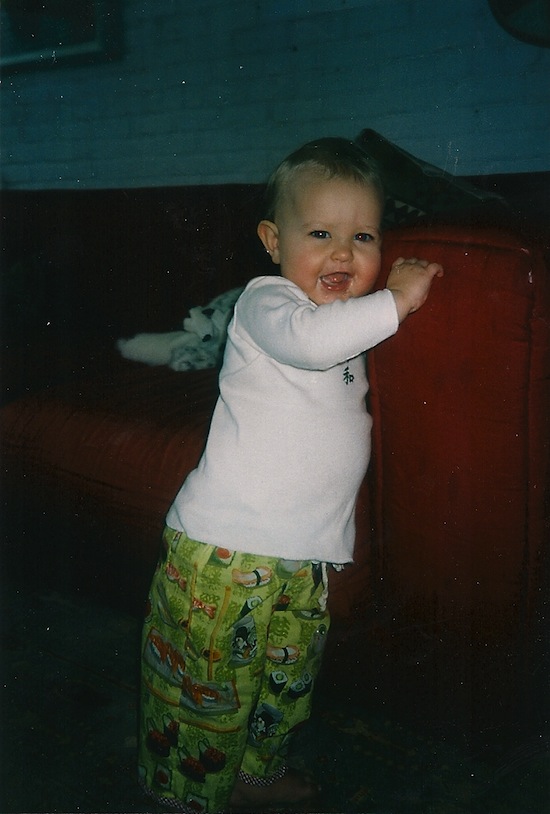
Emma – 2003

Fog

When I climbed the stairs out of the subway this morning and began heading west to my studio, fog completely obscured the Manhattan skyline.  I’m no stranger to fog, whether metaphorical or actual.  In northern California where I grew up, fog was a constant.  Each morning the fog would cover the mountains near our house, but by 11:00AM it would have lifted.  I feel a certain nostalgia for fog.  As I walked the four blocks to my studio this morning I thought about how, when we can’t see something we often assume it isn’t there or what we assume is there, actually isn’t.   Had I not known fog was covering an entire thriving metropolis called Manhattan, I would not have been able to imagine it.  That’s the beauty of fog, it usually lifts and when it does, it often reveals surprising things.

This has been my experience with my daughter and autism.  Autism was, for a great many years, like the fog, obscuring the child within.  I kept trying to lift the fog, thinking that if I could do so, I would “find” my daughter.  Then I began to realize the “fog” was my thinking.  The way I thought about autism was obscuring my daughter.   My daughter has always been there, just like Manhattan is and when the fog lifts I can see her in all her magnificent glory.

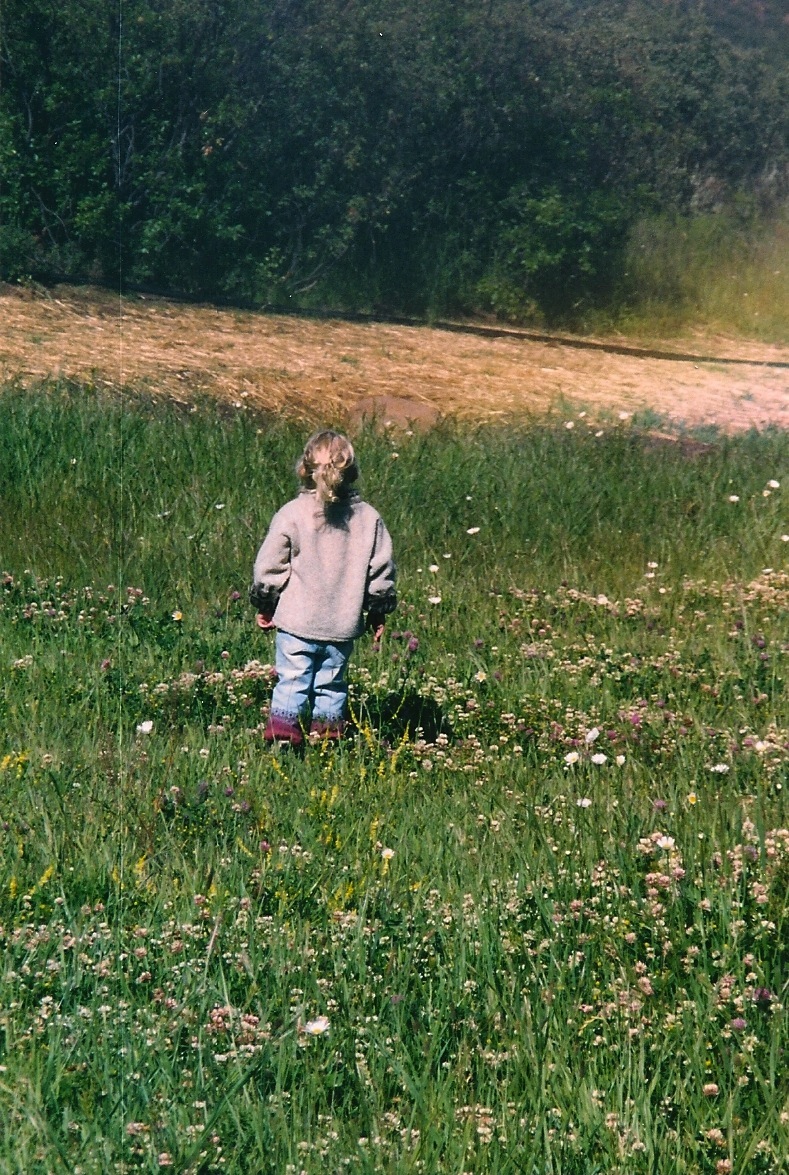
Emma – 2004

The Best Marital Advice I Was Ever Given and How It Applies to My Daughter

One of the single best pieces of marital/relationship advice I was ever given was:  Every day record all the things your partner did that was kind, helpful, thoughtful, ‘right’.  What are the things you love about this person?  What do you admire about this person?  What do you respect about them?  What are the things they do that make you happy?  What do they do that fills you with joy?  To many, these questions may seem obvious, but try doing this when you’re angry or fearful or even just annoyed.  I remember sitting with my journal that first evening and wondering what the hell was I going to write?  He breathes?  Could that really be seen as a good thing?  (It’s okay to laugh.)  I’m a master at this exercise now.   In fact, I’m so good at it, I now think of the positives FIRST!  And guess what?  My marriage is pretty fabulous, of course it helps that I’m married to such an amazing guy.

The first time anyone asked me about Emma’s assets we were a year or two into the diagnosis.  I thought it was a trick question.  Seriously.  It was my brother Chris, who asked, “What does Emma like to do?  What is she interested in?  What is she good at?”

My mind went completely blank.  No one had asked me these three important questions about my Autistic daughter.  Listing assets does not fit neatly into all those questionnaires I was constantly having to fill out.  Those little booklets with questions broken into categories of age.   Example:  From 3-5 years old:  Your child plays appropriately with toys  The choices were:  Never, Rarely, Sometimes, Usually, Always.   My pencil would hover over the choices as my mind raced.  What does “appropriate” even mean?  Why is pretending a doll is an actual baby, when it clearly is not, considered “appropriate”?   Eventually I resigned myself to the task and considered “Rarely” and “Sometimes”.   Depending on my mood, I would mark one of the two and feel the all too familiar sensation of constriction in my stomach and throat.  Fear flooded my body and mind as I tried to concentrate on the next question:  Your child eats using all utensils.  Again I would resist the urge to fudge the truth.  I had to force myself to choose the answer that came closest to reality.  I came to dread those questionnaires almost as much as reading the evaluation reports sent in once a year from the Board Of Education.  They were both exercises in, so-called, critical thinking – Look at this picture and tell me what’s wrong with it.  Look at this child.  Now let’s compare her to her neurotypical peers.  Let’s make a list of all that’s “wrong” so we can make things “right”.

But wait!  How is this helpful to anyone?  Comparing anyone to anyone else is a lesson in how to live one’s life in hell.  But compare a neuroatypical person to a neurotypical one is absurd.  Why do we even do this?  To what end?  How is this helpful?  Certainly it isn’t helpful to the neuroatypical person.  We do not say to a person who uses a wheelchair, well, you’re not walking and your same age ambulatory peer is, so let’s get you up and out of that chair and try to build those muscles. Then, when you resist or protest, we restrain you, tell you to stop complaining or tell you that you can’t fully comprehend the situation.  When you still do not manage to stand, let alone walk, we shake our heads sadly and tell you, you really need to have a better attitude and try harder, but don’t worry, it’s okay, we’ll keep working on it.

What does this thinking do to a person over the long-term?  If we are judged, compared, relentlessly criticized, taught that we fall short, told we don’t measure up, dissected publicly, privately and shunned, what does that do to us?  What would that do to any of us?  We are, after all, regardless of our neurology, human beings.  We do all share that.  Has the human piece gotten lost in all of this?

What does she like?  What’s she good at?  What is she interested in?

I’ll have to get a bigger pad of paper.

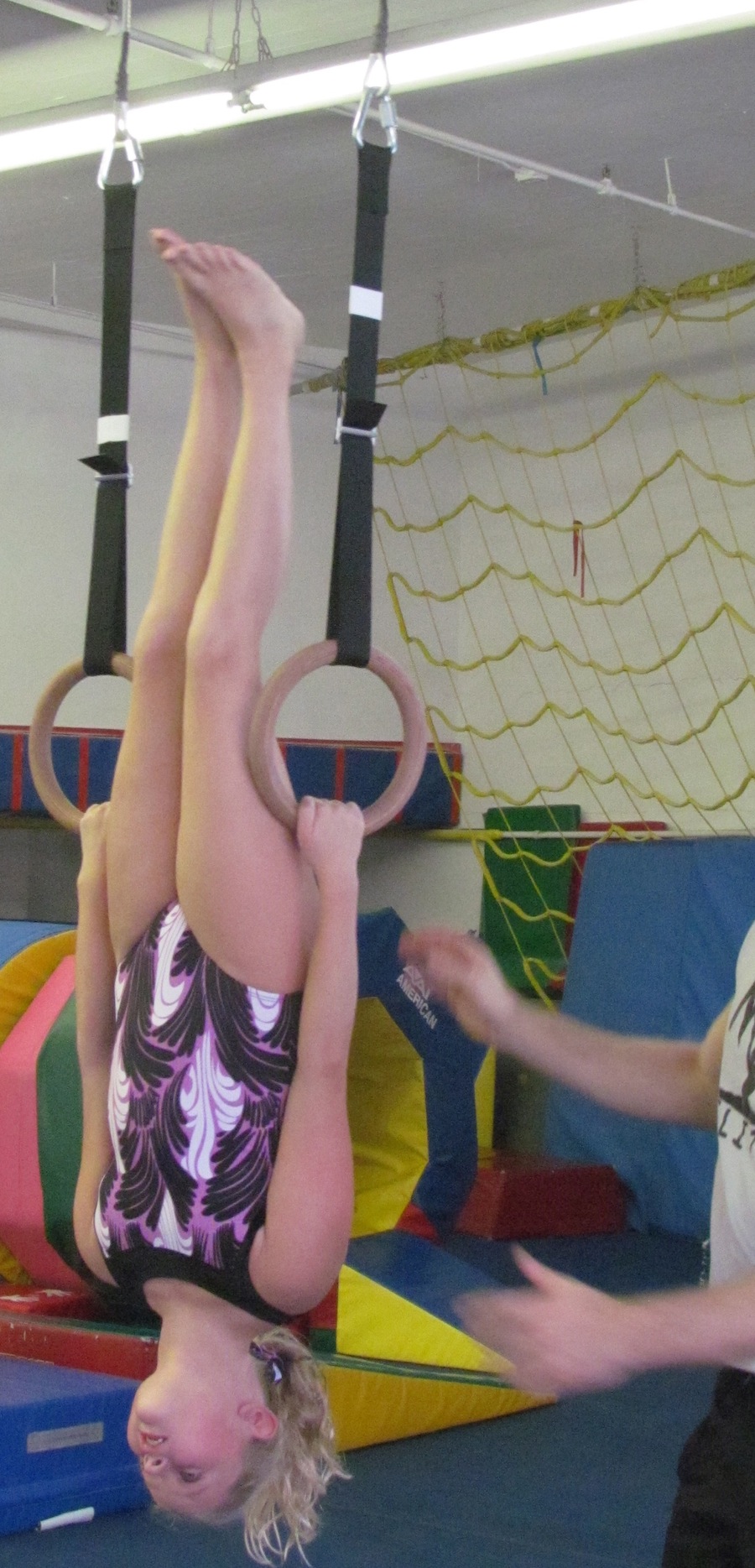
Em at Gymnastics – October, 2012

Related articles

Why? I Want to Understand…

I’m one of those people who, when told to do something that doesn’t make sense or that I can’t figure out the reasoning behind the request, questions it.  I don’t mean I think about it, while silently complying.  I mean I question the thinking out loud as in, “Why are we taking 8th Avenue, when we could take 10th?” or “Why are they asking for the last four digits of my social security number when I just gave them my passport number and anyway it’s a domestic flight?” or “Why take the ice out first when we could just put everything on top and then scoop ice around it?” or any number of other questions that so easily slide from my brain to my mouth before I can stop myself.

I can’t help myself from asking, “Why?”  By the way, I am also married to someone who does the EXACT same thing.  Some people would call this controlling or being defiant, but I see it as a need to understand the reasoning.  Sometimes when someone explains to me their reasoning, I get it, it makes sense and we can carry on, even if I don’t agree with it.  But many times the person explains their reasoning, it still makes no sense and that’s when things get problematic.  It is at this point I have a couple of choices, I can comply, do something that makes no sense to me, which is physically painful, it literally hurts to do whatever it is or I can refuse to do it while explaining why I cannot or I can ask for further clarification.  I tend toward the last two options.  I’m all about clarity.  I’m really not trying to cause problems or be difficult, I really am interested in understanding another point of view.

There are other questions I have that have nothing to do with any requests being made of me, but the answers affect me or someone I love.  Which brings me to a question that’s been very much on my mind recently.  It’s a question that has nagged me since I read Lydia Brown’s piece – Protesting Autism Speaks  on her blog Autistic Hoya – why don’t people who say they care about Autism want to hear from Autistic people directly?  I’m actually being very serious with this question.  I want to understand the thinking behind this.  Because, you see, when I finally found Autistic people who were writing blogs, I felt like I’d hit the jack pot.  When I read Julia Bascom’s blog Just Stimming it was like a beautiful universe unfolded before my eyes.  When E. of The Third Glance reached out to me that first time I read her comment and literally wept with gratitude.  I think I read her comment a dozen times.  When I met Ibby of Tiny Grace Notes at the Disability Conference in New York City, she may as well have been the President of the United States, I was so thrilled.  When she flapped because she was excited to meet me, I felt so completely flattered, it was all I could do not to jump up and down with unadulterated excitement.  I felt profound relief because:

1)  they are Autistic adults and until I found them, I personally knew none
2)  they were describing their thought processes, their experiences, their lives and it gave me insight into how my daughter may be processing the world too
3)  they introduced me to concepts I’d never considered, such as: Presuming competence and not speaking about my daughter as though she couldn’t understand, including my daughter in decisions that affect her and not speaking for her.
4) The whole idea of being talked about as inferior, as a deficit, as a tragedy and how that directly affected their self-esteem.  This last seems so obvious in retrospect, but it was something I hadn’t considered.
5) Having relied on other parents and so-called “autism professionals” up until my daughter was 10 years old, I was incredibly grateful to meet Autistic adults who were able to explain the experience of being autistic first hand. Their experience has helped me help my daughter more than anything else I’ve read or been told.
6) Many of the autistic adults I now know aren’t that much older than my daughter and I found it comforting to know there is a whole community that she may one day choose to join.

I do not read or speak with my Autistic friends and assume they are speaking for Emma.  I don’t assume Emma will grow up to be just like Julia or E. or Ibby or Chou Chou or Paula or Amy.  Each of these women has helped me help Emma far more than any “autism professional” has.  The Autistic men and women I know give me hope.  Hope, not just for Emma, but for ALL our children.  Hope for our world and our future.  I feel grateful to them.  I’m profoundly grateful that they’re blogging, speaking out, protesting, reaching out and asking to be heard.  Maybe one day my daughter will be among them.  I would hate to think that Emma, having worked so hard to communicate, in whatever way that may be when she’s an adult, having worked up the courage to ask a complete stranger, “Want to hear from me?  Want to hear what I have to say?” would be answered with silence or an abrupt “No.” I cannot imagine how painful that must be.  I cannot imagine what that does to one’s sense of self to be met with such outright hostility.  And I don’t understand why.

I am seeing that my experience is not the experience of others.  I do understand that, but why?  Why don’t people see those who are Autistic and can communicate, whether by typing or speaking , as a good thing, as a hopeful thing?  Why is it that some parents don’t want to hear from Autistics who can communicate?  What am I missing here?  Really, I want to understand this.  Help me understand.

How could you NOT want to hear what she has to say?

An Ode To My Daughter

Dearest One,

When you were first born I had an idea about you, it was an idea I have come back to, all these years later, it was an idea that was more right than wrong.  You were very much your own person right from that first moment you drew breath.  I remember marveling at your strength and independence.  I knew almost nothing about autism.  I hadn’t taken the idea of independence and remolded it as “autism” yet, only to rework that idea back to its original concept later.  I saw you and appreciated you for who I saw you to be.  Defiant, independent, strong, determined and silly.  Even as a baby you loved to laugh and appreciated silliness in all its various forms.  You loved playing peek-a-boo and being thrown in the air.  Those first eighteen months, before I knew words like “vestibular”, “proprioceptive”, “stimming”, “perseverative”, “echolalia” and all the other words that threatened to push you from center stage, making you less you and more an example of a diagnosis weighted with other’s learned opinions, I was in awe of you.

Words have power, but words can confuse, they blinded me for many years, I became caught up in what they meant or what others thought they meant and as a result was less able to appreciate you.  I used to wield those words as though they were weapons banishing what was, into something else, something undefinable, something “other”, something I wanted to find a way to control or remove.

As a baby before I knew those other words, you were in a state of either bliss or agitation.  I use to watch you with wonder and admiration.  You were distressed by the lights and the air seemed to hurt you, as though it scraped against your skin.  You liked being swaddled tightly in one of the soft baby blankets I had bought for your arrival.  You slept almost constantly those first two weeks.  Then your deep slumber was interrupted by internal discomforts I could not guess or see.  You greeted these intrusions with indignation, howls of distress and I felt a helplessness I had not known could exist.  A helplessness borne from not knowing; watching, but not able to intervene, hearing, but unable to understand.  I tried to comfort you, but my understanding of what comfort meant was not the same as yours and so your teaching began.  You have been so very patient with me, dearest one.  You have never given up on me.

You have painstakingly tried to communicate in a language that does not come naturally to you.  You have met me more than half way.  You have tried over and over to help me understand and you’ve never stopped.  It has taken me a long time to learn some very basic things about you, things you’ve been telling me ever since you were born, but that I couldn’t understand.  Things I still forget, but  I’m getting better at listening to you and understanding that words are not the only way a human being communicates.  I am getting better at hearing you.  I have learned to listen to your behavior as though it were a conversation, because it is how you reach out, it is the way you connect.  I am learning to lean into you, to not try to do a word-for-word interpretation of your verbal utterances, but to try to feel the meaning of what you are doing or saying.

You are Autistic.  Do not let other’s interpretation of that word define you, rather help others understand that you define it.  Make your mark in this world by continuing to believe in yourself.  Continue to stand up for yourself.  Advocate. Let your voice be heard.  “Actions speak louder than words,” people say, but they don’t seem to apply that to you and others who cannot and do not rely solely on language.  Those people need to be taught, because actions DO speak louder than words if we can learn to listen to them.

You, my beautiful daughter, are kind and good and honest and talented and funny and caring and sensitive and yes, Autistic.  Be proud of your neurology, but do not allow others to limit you because of it.  Do not allow someone’s idea of what that means to encroach on who you are or how you perceive yourself.  You are Autistic and you are my daughter.  It could be argued that both come with a great deal of baggage, but both also come with many wonders and advantages.  Concentrate on the positives, lean into them, and make your way.  Reach out to me, grab my hand, together we are stronger than we are alone.

I am so proud of you.

Richard, Em & Me – 2010


GO VOTE!

*A version of the following was sent to me a few weeks ago.  This is about women fighting for the right to vote, but it could be the battle engaged by any group in the minority, including those who are Autistic fighting for the right to have a say in the policies that ultimately harm or help them.  It is the same story, told over and over again.  This post was inspired by Lydia Brown’s recent post, Protesting Autism Speaks on her blog Autistic Hoya where she recounts the response she received as she and others offered ASAN (Autistic Self Advocacy Network) flyers to Autism Speaks supporters and asked, “Would you like to hear from Autistic people?” only to be told “No” over and over again.

Less than 100 years ago women did not have the right to vote.

The 19th Amendment, ratified August 18, 1920, granted women the right to vote. Prior to that women marched and picketed as a way to bring attention to their cause.  These tactics succeeded in raising awareness, but were often met with massive resistance and brutality.

On November 15, 1917, known as the “Night of Terror” when the prison warden at the Occoquan Workhouse in Virginia ordered his guards to teach a lesson to the suffragists imprisoned there because they picketed the White House for the right to vote.


By the end of the night, many were barely alive. Forty prison guards wielding clubs and with their warden’s blessing went on a rampage against the 33 women convicted of “obstructing sidewalk traffic”.
One of those women was Lucy Burns. They beat her, chained her hands to the cell bars above her head and left her hanging all night.
Dora Lewis

They threw Dora Lewis into a dark cell, smashed her head against an iron bed, knocking her out. Her cellmate, Alice Cosu, thinking Lewis dead, suffered a heart attack. Additional affidavits describe the guards grabbing, dragging, beating, choking and kicking the women.

Alice Paul

Alice Paul began a hunger strike so they tied her to a chair, forced a tube down her throat and poured liquid into her until she threw up. She was tortured for weeks until word was smuggled out to the press.

Edith Ainge

Voting is our right. It isn’t always convenient, we have to take off early from work, find childcare to watch our kids, stand in long lines, but it is our right. A right our grandmothers and great grandmothers did not have.  It’s easy to take for granted that which we have grown up believing is a given.  But it wasn’t always our right, and while it is doubtful it could ever be taken away, there are many in this world who still do not have that right even today.

Helena Hill Weed – Serving a 3-day sentence for carrying a banner saying, “Governments derive their just powers from the consent of the governed.”

Lest we forget, rights we think are a given, can be taken away.

Go out and vote!

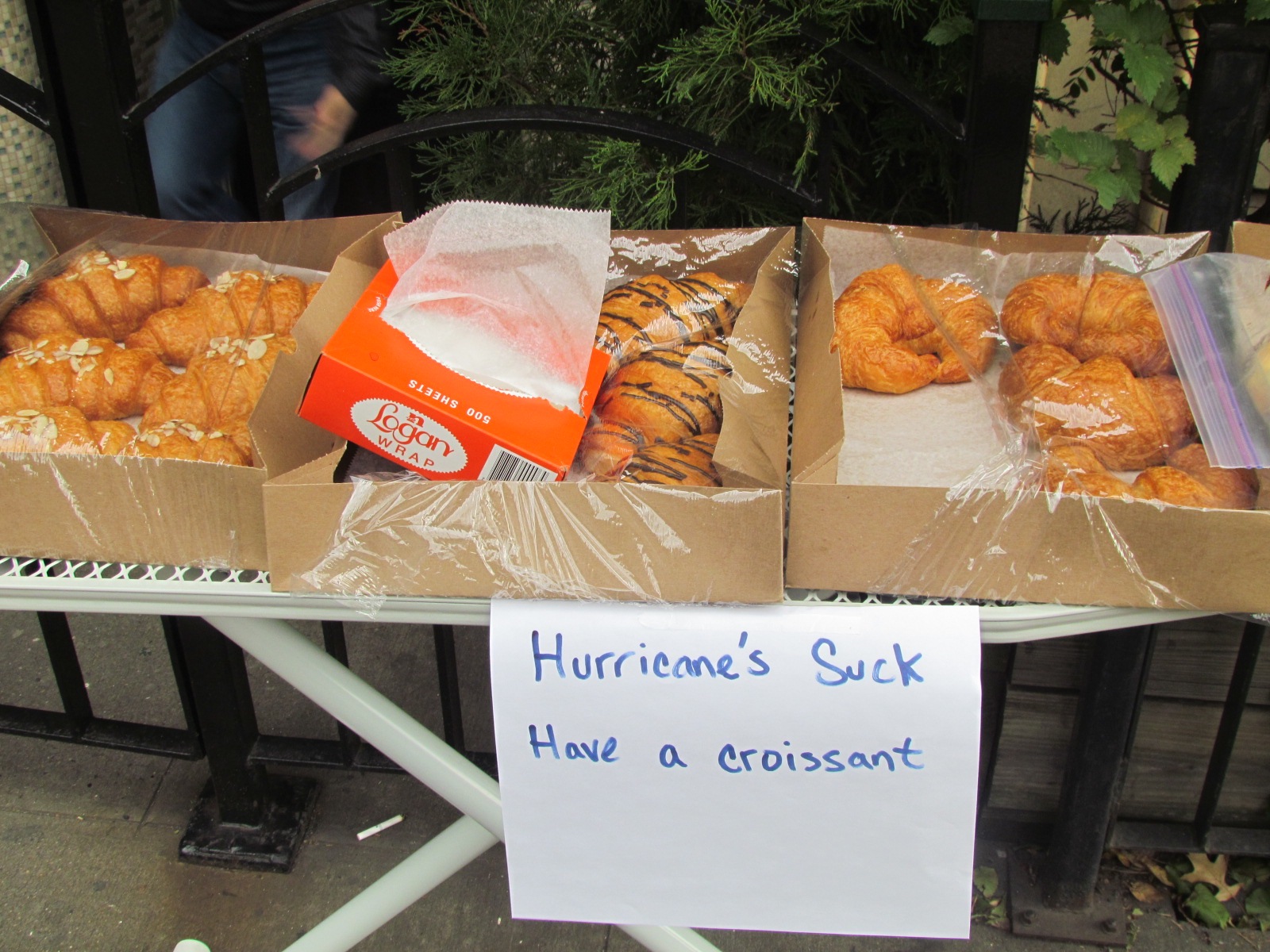
“Hurricane’s Suck, Have A Croissant”

Processing…  I haven’t.  There are still too many people who are without power, whose homes have been destroyed, too many people who continue to have no heat, no hot water or any water at all, too many displaced people, too many who have lost so much….  How does one process this?

Nic had nightmares last night about a zombie apocalypse where he was the lone survivor.  Emma is perseverating more than usual; her stims have gotten noticeably worse; her scripting more pronounced.  I watched her yesterday as she did her Sunday morning DJ routine, listening to all her favorite songs, singing and dancing, losing herself in the music and felt both grateful for all we have and utterly exhausted.  I slept seven and half hours last night and yet feel as though it were 5.  I am feeling fragile particularly sensitive and emotional, and we were the lucky ones.  We have power, heat, hot water, a home that is undamaged, everything’s back to “normal” and yet it isn’t.  I don’t know what normal means anymore.  Where do we go from here?  How do we process this?

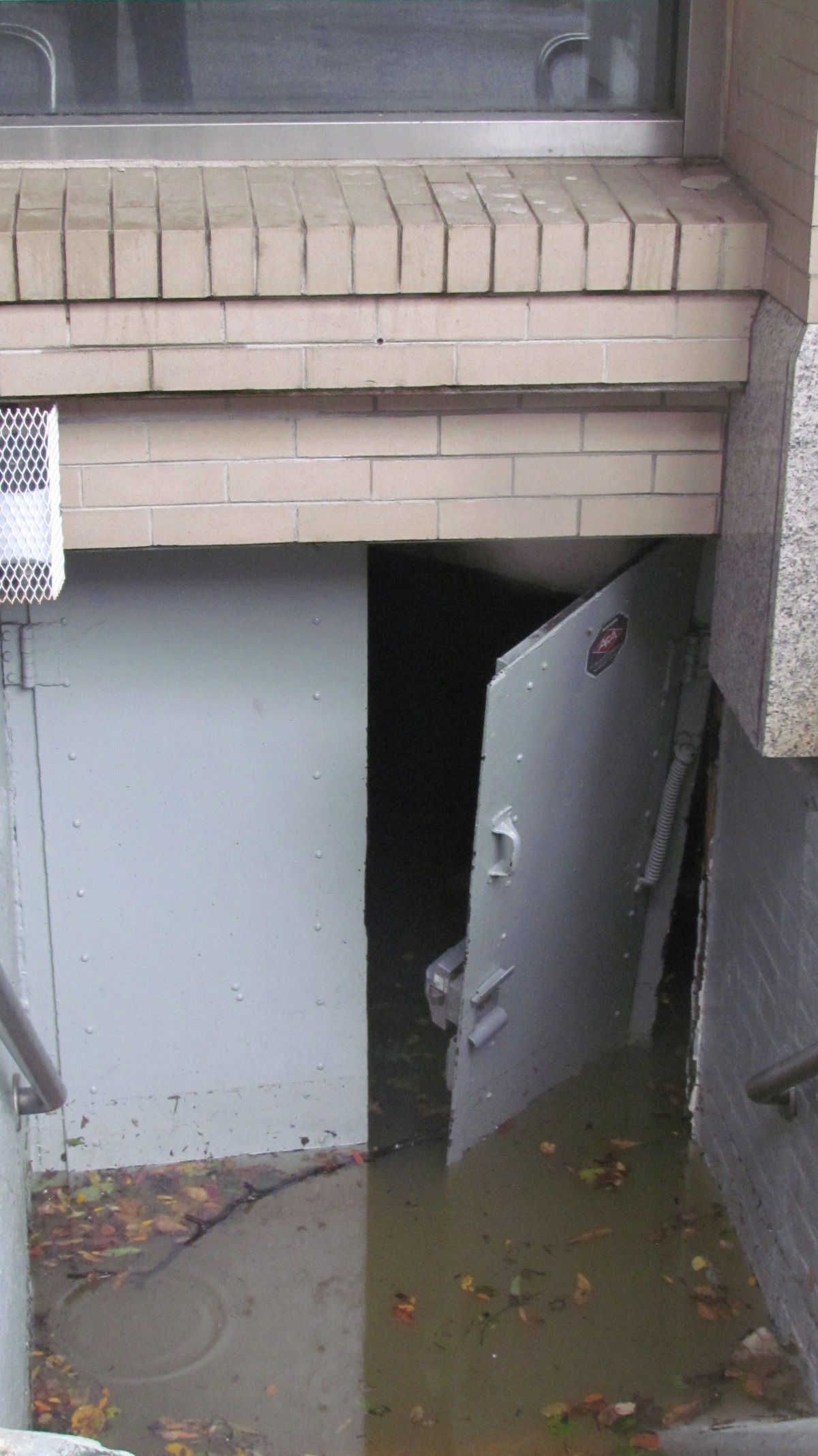
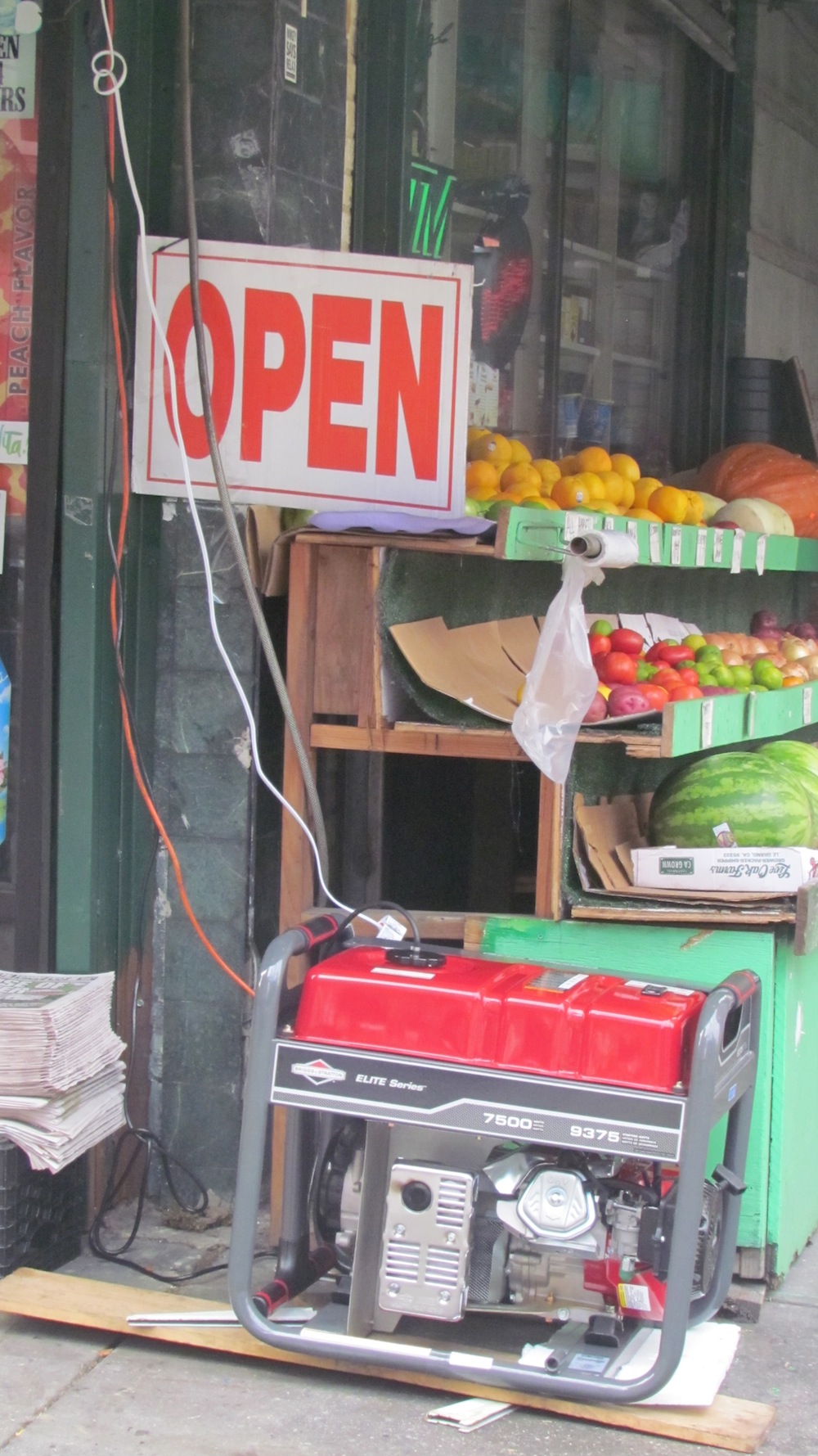
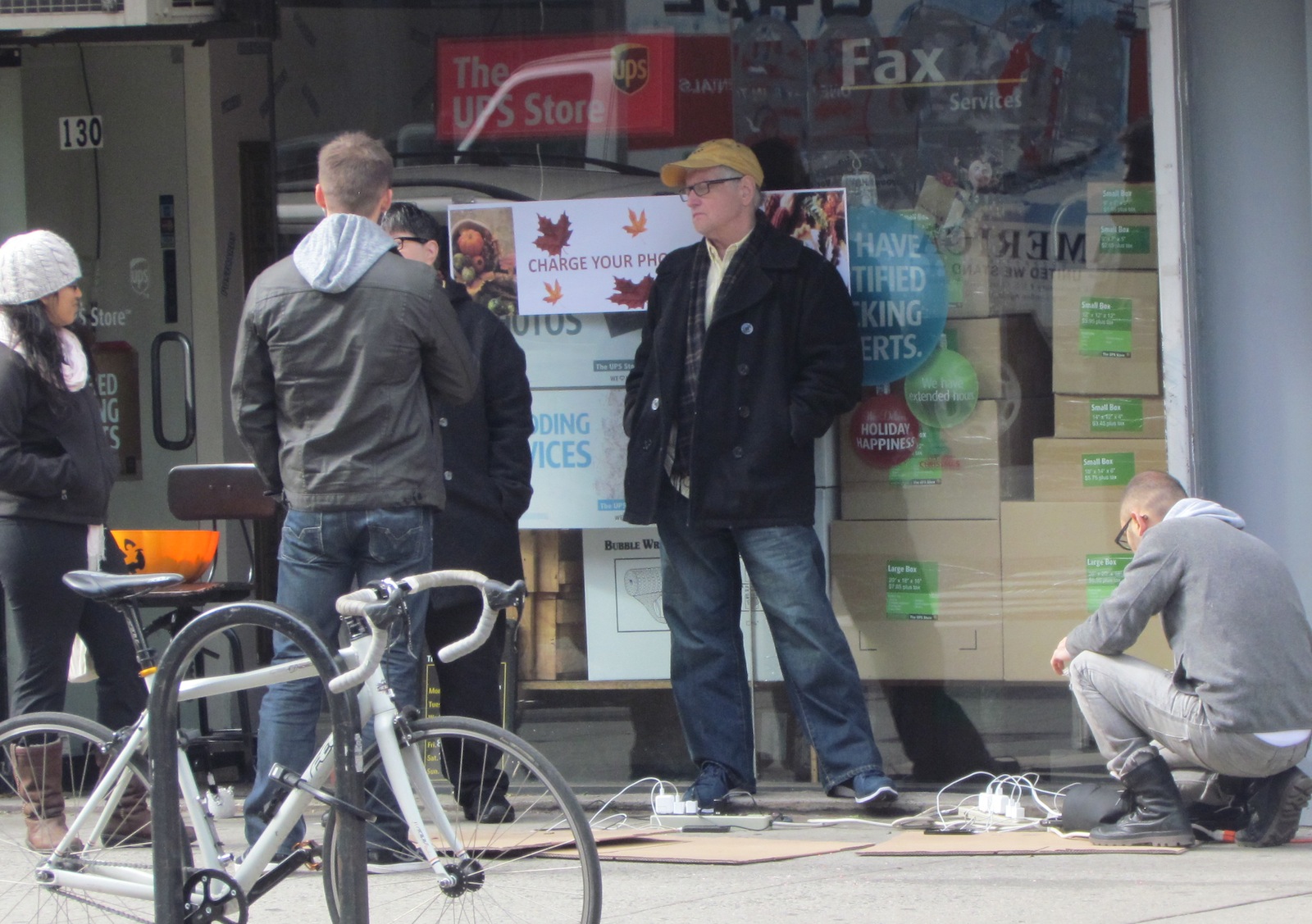
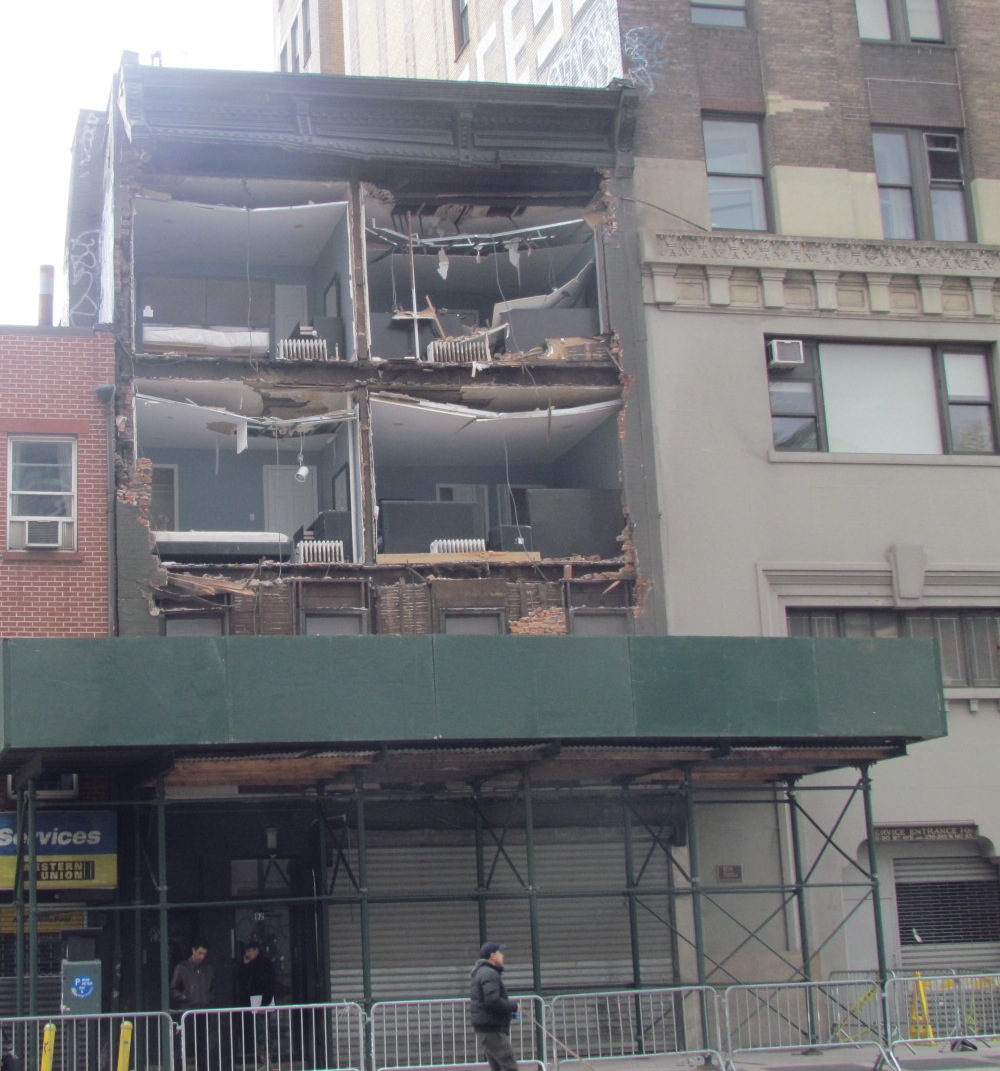
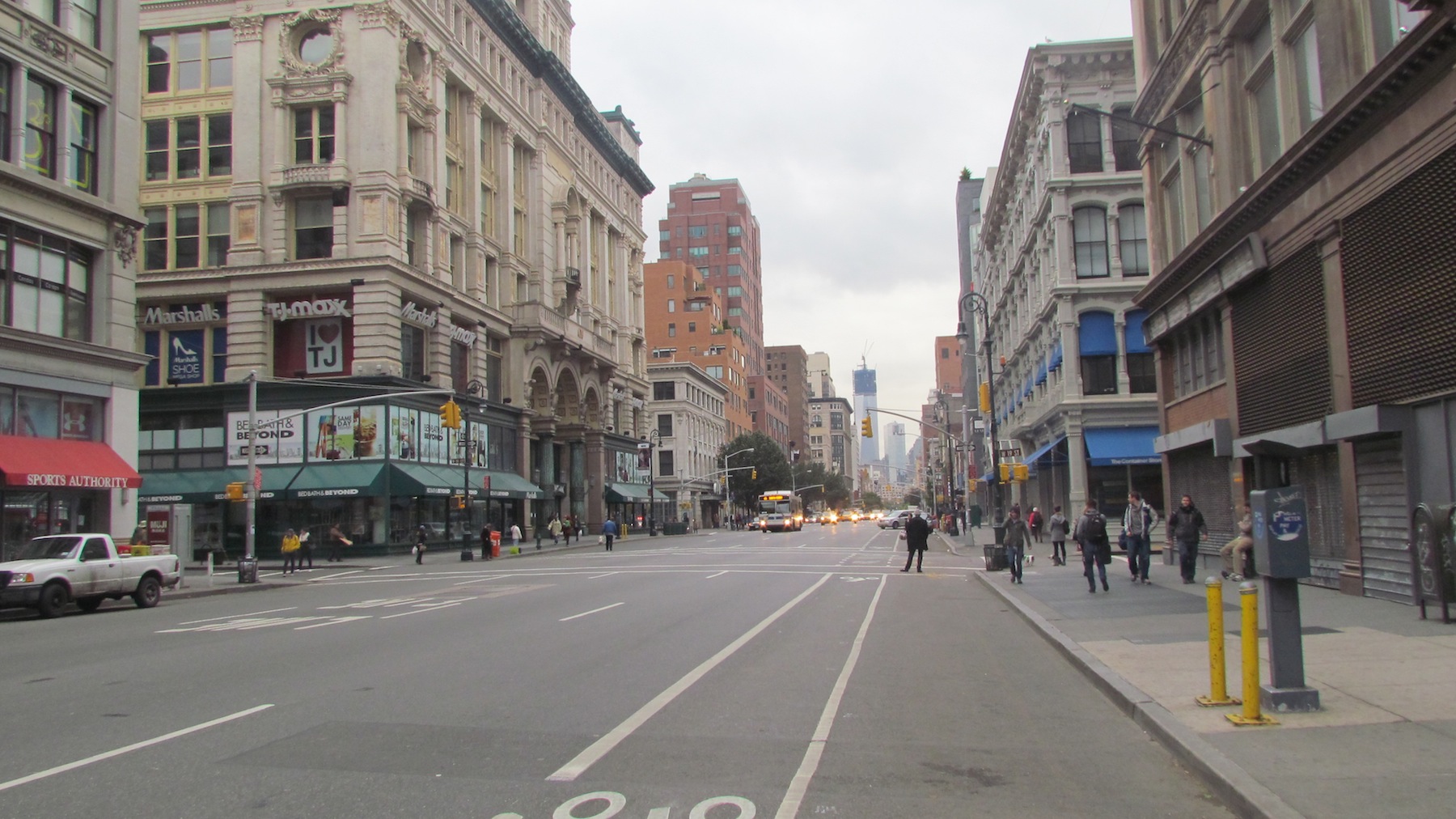
On Friday I went downtown and took photographs.  The lighting wasn’t great, it was impossible to capture the mood or what it felt like to walk along empty streets where the only lights came from headlights on busses, taxis and those who still had enough gas in their cars to get around.  I couldn’t photograph the group of young women weeping in the street or the man looking for his father whom he had not heard from in four days or the old woman painstakingly climbing the stairs of her unlit building, her pug tugging on its leash, urging her upwards into the darkness or the faces of all those people I passed obsessively checking their dead cell phones, trudging north with the hope they might find an available electrical socket that would breathe life into it.  I’m not a skilled enough photographer to be able to capture any of that.  (I’ve provided a couple of links to some professional photographers who were though.)  But I did get a few images that at least document the storm and our resilience…

One of the many Chelsea art galleries whose flooded basement held art work. 

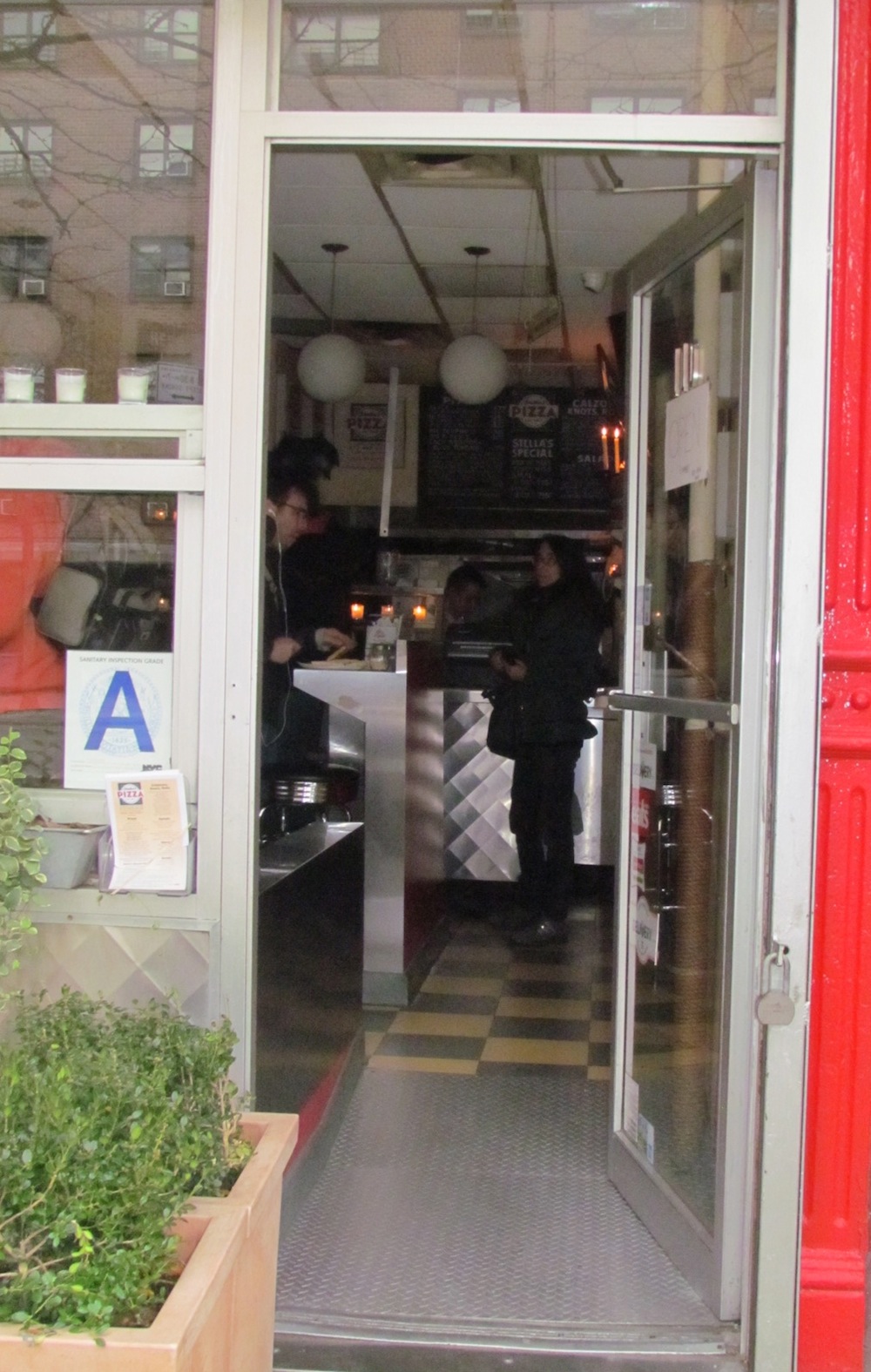
An intrepid New Yorker who found a way to stay open despite the power outage downtown

Powering up on 7th Avenue

The “Doll House” on 8th Avenue

Kindness on 14th Street

Pizza by candle light

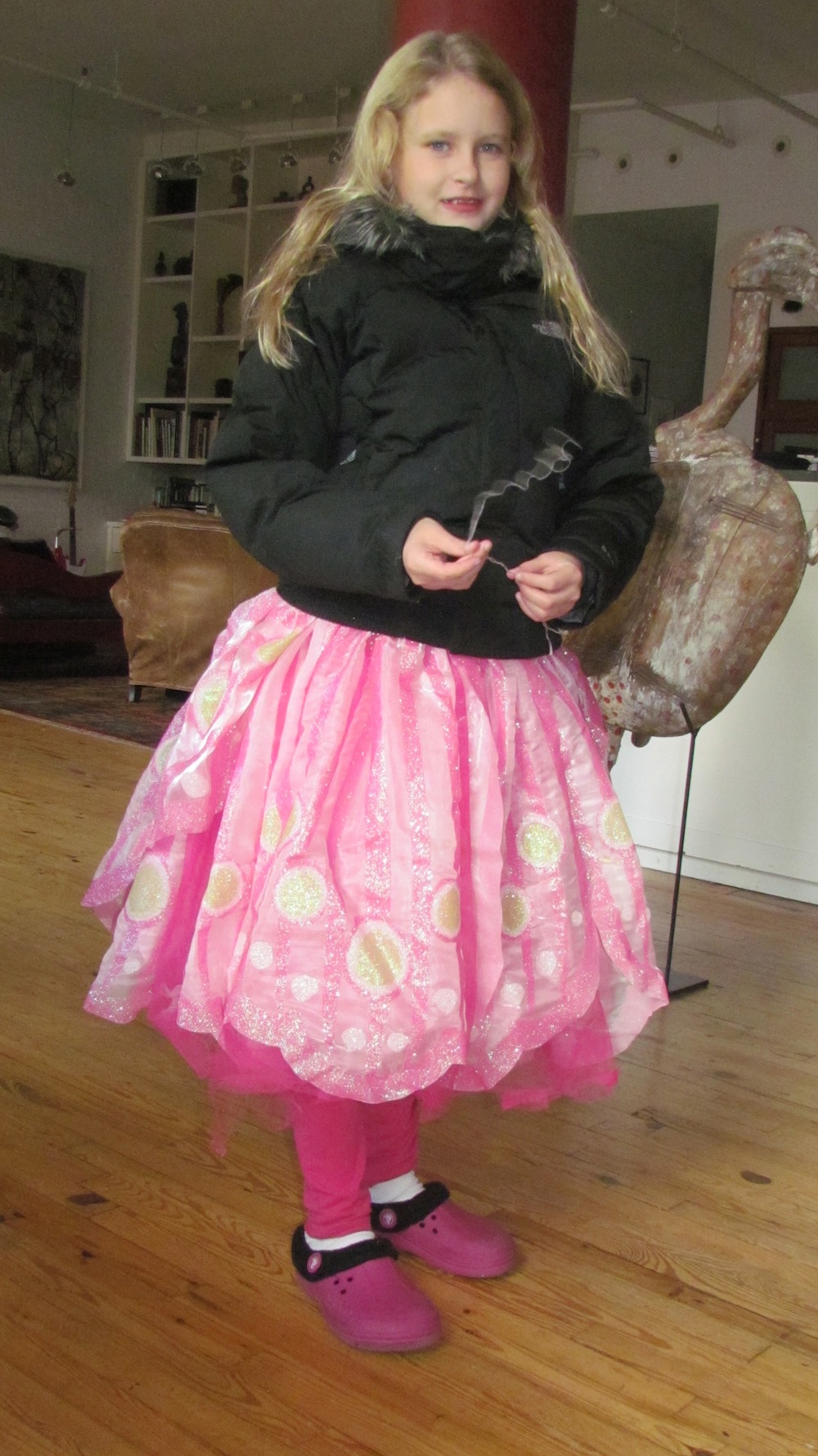
Emma wasn’t able to go trick or treating, but she still dressed as a butterfly on October 31st

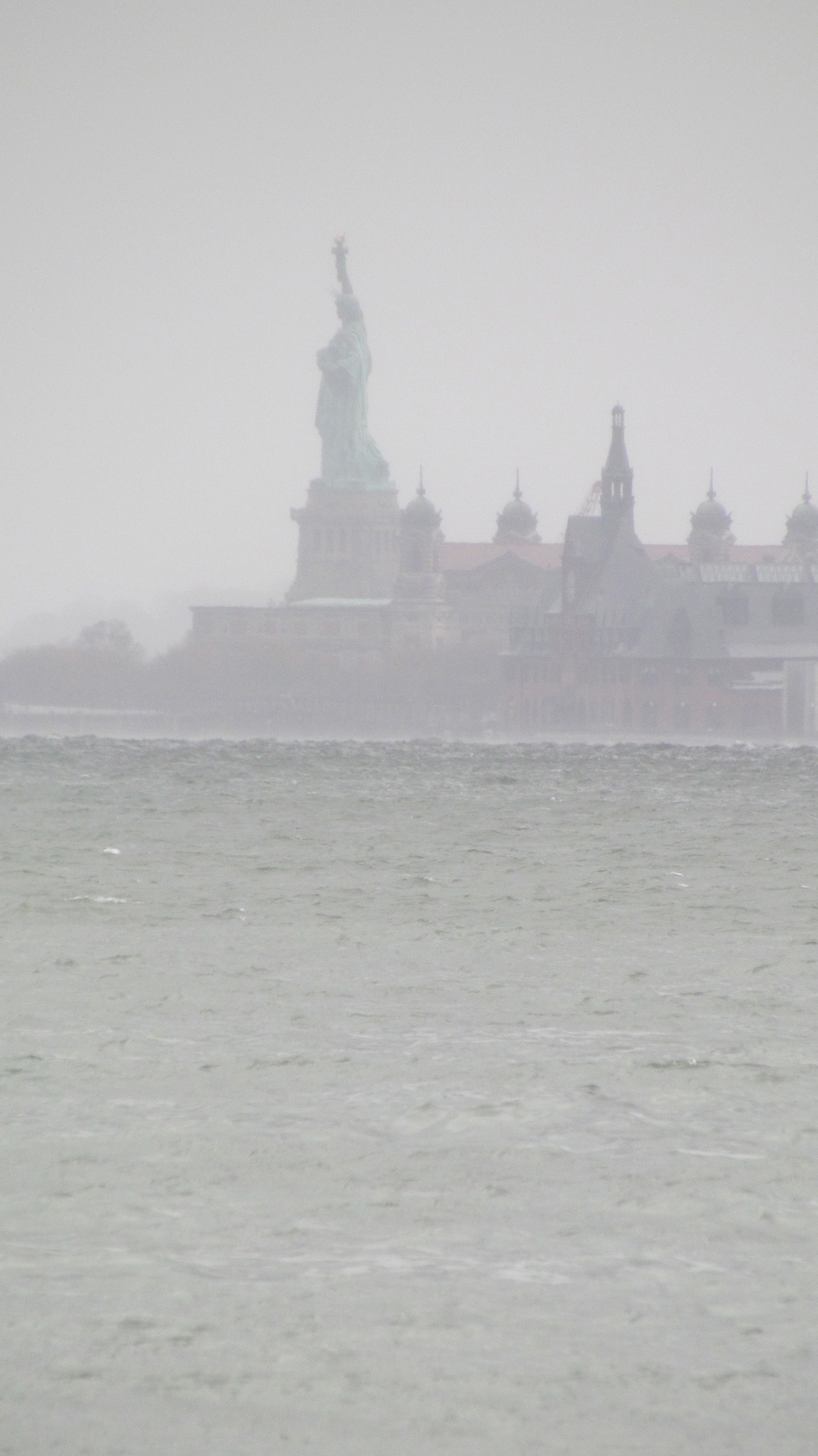
The Statue of Liberty during the storm

We are capable of so much.

Be grateful.

I am.

A City Divided

Today is the first morning I’ve had the time, the electrical power and the energy to write a post.  It’s with some horror that I read my last post.  Who knew Sandy would cause so much devastation and damage?  Evidently  pretty much everyone, well except us, it turns out…  I don’t think I need to say a whole lot more here, other than we were lucky and are fine.  We had a huge stock of batteries, thanks to a tendency to overstock supplies and having children with battery operated devices, I even found a solar-powered radio/flashlight my brother had sent me a few years ago after the last blackout and a drawer full of candles and flashlights.  My mother periodically called with updates and my brother sent text messages with the latest news.

A good friend who lives above 26th Street (and therefore had power) was kind enough to open her home to many of us without.  It took hours to power up our devices, but at least we weren’t standing in line at one of the many delis and stores north of 25th Street who had brought out power cords allowing as many people as possible to power up.

All is dark, including the traffic lights south of 25th Street


Monday morning as we took the children west to survey the damage in our now dark world, we attempted to cross 8th Avenue, but had to wait as cars raced past taking advantage of the power outage and dark traffic lights, never breaking despite the fact we were with two children.  For those cars on the cross streets waiting, hoping someone would slow down enough to let them through, it was a lesson in patience and a stark reminder of how badly people can behave given the opportunity.

One of many buildings in Chelsea near the West Side Highway

Our building still has water, it’s only now running out, other buildings are not as fortunate.  We also were fortunate enough to have a gas stove, which means we are able to heat water and even made pancakes for Emma one morning.  By the third day, Emma’s stress level had become noticeably worse.  (As had mine.) Perseveration, stimming and echolaic speech had all worsened.   I started looking into hotel rooms for us already on Monday while waiting for our phones to power up at my friend’s home, but couldn’t believe when I saw a “Budget Hotel” in midtown charging over twelve hundred dollars per night for a room.  I probably could have booked something had I thought to (and most hotels were not price gouging), but by Tuesday there were almost no rooms left and by the time we seriously began looking on Wednesday we found only one hotel with a room available, which we booked, only to learn that it had been evacuated because of the crane in Midtown that forced a number of blocks to shut down.

Richard took matters into his own hands and called my cousins who welcomed us into their beautiful home uptown.  We are grateful to have somewhere to go and relatives who were willing to take us in, people who were kind enough to open their doors and had spare bedrooms to accommodate us.  Meanwhile Nic went to his friend’s house in Brooklyn, where he is playing one endless marathon video game of who knows what with his friend.  We miss him, but are relieved to know he’s being taken care of and is happy.

I wrote the following and posted it on my Facebook page last night:  “It’s hard to capture a visual of A Tale of Two Cities: Downtown without power, Uptown life continues. North of 26th Street where there is power, lines of people wait to use an electrical plug to power up their cell phone, below 26th Street there is no power, many buildings are without water now, others will be without water soon. Guys are hawking C & D batteries on the street corners, one guy has a sign saying, “We sell CANDLES” Large flashlights are a hot commodity. And yet… just a few blocks north people are watching the news of devastation on their flat screen TVs. Two worlds divided by electrical haves and have nots.”

To be without electrical power is to literally be without power.  Those who are above 25th Street, a purely arbitrary division are able to listen to the news or not, make phone calls, take showers, fix nice meals for their families, choose to open their homes, help people if they decide to, but those south of 25th do not have these choices.  It is surreal.  Those without power who had the means and the wherewithal to book hotel rooms on Monday did so.  The decision to continue with the New York City marathon this Sunday was a stark example of the massive disconnect that has occurred in this city.  That officials were blithely holding press conferences defending this decision while people are trying desperately to locate family members they haven’t heard from who live in the southern parts of the city is  just one more example of how surreal things have gotten here in New York City.

*I am one of the people who feels it is insulting to carry on with the marathon, exacerbating the traffic jams, reducing the numbers of available hotel rooms, a symbolic thumbing of their noses at all those who have not showered, had something hot to drink or eat, are without heat, water, light or have been evacuated.  I see the people running along the streets, weaving in and out of the traffic grid lock and I can only assume, as they head south, that they will eventually head back north to a hot shower.  Yet another example of the difference a little electricity makes.

*This post was written before we lost wi-fi this morning and at the time the marathon had not been canceled.

Related articles
Awaiting the Storm

If you listen to the news, which I haven’t but Richard, in an uncharacteristic display of interest regarding the weather, has been keeping abreast of the latest news by reading updates on the NYTimes online, you already know Hurricane Sandy is heading inland and may or may not hit New York City at some unknown point…  it’s hard to say. Meanwhile, everything is shut. All the stores are closed, all public transportation has screeched to a halt, friends of ours who are in “Zone A” have had the boilers in their building shut off since yesterday evening, some others have been evacuated, and yet, other than the occasional breeze and light sprinkle, there is nothing to suggest anything is amiss.

On Saturday as Nic and I did our weekly grocery shopping run, Nic commented on the long lines. The typical four-hour window given for delivery of one’s groceries had been suspended and other than thinking it strange that so many more people were out getting groceries, it didn’t occur to me to be concerned.  It has to be said, we do not watch the news on television and my reading of the NYTimes online is topic specific.  When Nic asked why so many people were grocery shopping I said something about how it was always like this on Saturdays and then went into a lengthy explanation about typical Monday through Friday work weeks and how it made sense that Saturday was a good day for grocery shopping. By the glazed expression on my eldest child’s face, I’m pretty sure I lost him after the first 30 seconds. Looking back, the incredulous expression on the woman’s face directly behind us now makes sense and I feel a little saddened to realize it was not a look of awe at my brilliant analysis of the shopping habits of fellow New Yorkers.

Last night I explained to Emma that there was a big storm headed our way and because of it, school would be closed and that there might be heavy rain during the night, but that we were all going to be safe.  I was a bit more concerned that the changing air pressure might wake her in the night, causing her pain and upset.  When she woke this morning and came running into our room, I said, “Em, has it started raining yet?”  She said, “Rain, lightning and thunder!”

“Really?” I said, peering out into the darkness.  “I don’t hear any rain.”

“It’s raining.  No school,” Emma said, with the kind of unerring certainty that does not invite argument.   Then she pulled the bed sheets up over her head.

I asked Em if she wanted to go up on the roof to see first hand what the weather was like.  I grabbed my camera and rain gear .  “Oh honey,” Richard said as he watched me zip up my rain jacket, “you’re going to document the storm,” he wiggled his fingers to make quotation marks.  “I love that.”

“It hasn’t hit us yet,” I told him.  “It might.  Later.  You never know.  They’re saying 95 mile per hour winds and 10 foot waves.  Maybe I’ll take the kids to the river later,” I announced.

“I love that you’re going out to record the weather and not hunkering down into fear-bomb-shelter mode,” he looked at me with what I’m pretty sure can only be described as pure, unadulterated, adoration and admiration. (I am convinced I’m reading his look correctly and NOT the way I completely misinterpreted the look of the woman in the grocery store.  Of course, I have been wrong before…)

Em on the roof just now in appropriate, pre-Sandy, attire

The Impact of Acceptance and Non-Acceptance

My friend Steve Summers wrote this a few days ago.  I asked Steve if I could repost his words here and he gave me his permission.

“Today I feel tired. —

Tired of being rejected.
Tired of being ignored.
Tired of being excluded.
Tired of being treated like an outcast.
Tired of being treated like a misfit.
Tired of feeling like others look down on me for being different.
Tired of being expected to try and act ‘normal’ to have a ‘normal’ life. — I am not ‘normal.’ I am Autistic.
Tired of people who think that just trying harder will make Autistic people ‘more normal.’ — Would you tell a blind person to try harder to see? Would you tell a paraplegic to try harder to walk? Would you tell a colorblind person to try harder to see the colors that they can’t see?
Tired of people who don’t understand Autism and who don’t make any effort to learn about Autism so that they can cure their own ignorance.
Tired of people who refuse to accept Autistic people just as they are.
Tired of people who presume incompetence.
Tired of neuro-bigotry.
Tired of the silence of others. Silence is *not* support.
 
Want to help us? —
Listen to Autistic people.
Make an effort to learn about Autism.
Educate yourself about what we go through each and every day.
Learn about how negative attitudes make us feel.
Practice Autism Acceptance.
Accept that we are different, not less.
Accept that we are different, but *not* defective. Don’t try to make us into a poor copy of your idea of ‘normal.’
Accept that we are okay to be ourselves — just as we are.
Accept that we are  humans with feelings just like everyone else.
Accept that Autistic rights are human rights.
Presume our competence.
Don’t avoid us, include us.
Most of us have social anxiety. Please be kind and reassuring to us.
Please reach out to us. We won’t often make the first move after suffering from a lifetime of rejection, exclusion, and being bullied.
Please practice inclusion.
 
I am Autistic and I want to be valued and accepted for simply being me. ~ Steve Summers”

Steve is my friend.  I am so glad I know him.  I value our friendship.  I enjoy our conversations.

Yesterday I wrote about acceptance, specifically acceptance of one’s Autistic child by a parent.   Parents who do not accept their “child’s autism” often feel criticized and bristle at the perceived implication that they do not “love” their child, “correctly”, “in the right way” or “enough”.   I know how completely uninterested I was in the idea of acceptance when I was engaged in an all out battle with Emma’s autism, intent on extricating her from its gnarled grasp.  (This last sentence was very much in keeping with how I thought of autism at the time.)  What I didn’t consider, what I didn’t know to consider, was Steve and every single person who is autistic who feels the way Steve does.

My inability to accept my daughter’s autism impacts her.  Just as I cannot extricate the Autistic parts of her, I cannot pluck out the “autism” from how she sees herself.  My non-acceptance, as well intended, as well-meaning as it was, was still felt by her as a criticism of her.  But I didn’t know that at the time.

I think we, human beings, forget how pervasive and destructive our ideas about others are.  If we are in the majority, our influence, the reach of our opinions are even more destructive.  We say, oh but I love her, I just hate the way she walks, talks, the sound of her voice, the color of her skin, eyes, hair.  I love her, but I hate the way her mind works, how long it takes her to get dressed, the way she eats…  No really, I DO love her.  And we do.  We feel tremendous love.  I loved my daughter all those years I was fighting her autism.  I did.  I absolutely did.  I fought her autism BECAUSE I loved her so much.  But then I met people like Steve and Julia and E. and Kassiane and Bridget and Savannah and Laura N. and Sam and Amy and Gareeth and I read what it was like to be brought up by parents who didn’t accept their “autism” and how it felt.   And I began to understand.  I was able to hear what they were saying and I began to see the connection.

Thank you Steve for allowing me to print your words here. Thank you for writing this.  Thank you for helping me parent my daughter differently, so that in ten, fifteen, twenty years from now maybe, just maybe, she will not feel quite so tired.

Emma – 2004

  Related articles
Autism, Acceptance And Love

My friend Shannon Des Roches Rosa posted a great piece regarding understanding acceptance on Thinking Person’s Guide to Autism the other day. I wanted to write a comment, but had to think about what she’d written and then wrote a long, epic length, rambling comment, so lengthy that when I went to submit it I was informed I’d “timed out” and lost the whole thing.  But it got me thinking…

Whenever I think of acceptance the “serenity prayer” comes to mind – “…grant me the serenity to accept the things I cannot change; courage to change the things I can; and wisdom to know the difference.”  This prayer was what I repeated to myself each and every day for years after we were given Emma’s diagnosis.  “Courage to change the things I can” was what I clung to as I doggedly pursued treatment after unproven treatment.  One of the single biggest stumbling blocks for me in accepting my daughter’s “autism” (I write it this way, because this was how I thought of it, as something separate from her) was that I believed it was within my power to change her autism.  I thought I could remove it.   As long as I continued to hold onto that belief, I couldn’t accept her autism or the idea of her as an Autistic individual, she was Emma who was diagnosed with autism and therefore, my thinking went, could also be diagnosed withOUT autism.  These two points were key in my thinking.  Anyone who suggested I not think of my daughter and autism in this way were disregarded.

I no longer think in these terms.  But I read the often heated exchanges between parents who accept autism and their Autistic children, and those who maintain they accept their child, but do not accept autism.   Interchange the word “accept” for “love” and things start getting really volatile.  None of us welcome anyone who suggests we do not love our children.  And truthfully, this is where, I think, the disconnect happens.  I think this is less about love and more about having a different understanding of what Autism is.  If autism is seen as completely negative, (something Autism Speaks has perfected to a science by using words such as, affliction, epidemic, crisis and tragedy) this horrible thing that causes my child to writhe in agony, an “affliction” with no redeeming qualities, coupled with the belief that autism is something that can be removed, in fact has been removed by many parents who have gone on to write memoirs about their triumphant courage to change the things they can, then what parent wouldn’t welcome their child relief from that?

But if Autism is seen as something complex, woven into the very fabric of a human’s being with a wide range of attributes as well as challenges, all of this becomes far more complicated.  It was this idea, so beautifully described in eloquent detail by Julia Bascom in her blog Just Stimming that made me pause.  Her description of the challenges and joys of being Autistic were what made me stop and reconsider everything I thought I knew and believed.  As long as we hold to the view that our child is locked inside a seemingly impenetrable shell called “autism” while listening to that seductive, whispering voice assuring us that we can break through that shell if we just try x, y, and z we will struggle mightily with the idea of acceptance.

Emma – 2002