It’s My Birthday and I’ll Laugh if I Want To

Saturday was my birthday.  I’m 52.  Or as my twelve-year-old son said to his younger cousin last night, “Do you understand how old she is?”  A look of confusion lingered on his cousin’s face.  Then, apparently tiring of her lack of response, Nic said in a grave tone, “She’s fifty-two.” There was a moment of silence and then to be sure he’d left no room for error he added, “Fifty two years old.”   His cousin looked at me with raised eyebrows and what I imagined to be a new-found appreciation or maybe it was horror, it’s impossible to know what an eight year old, having been given this sort of news, might think.

I figure I’m at the halfway point, though my husband would say I’m being unrealistic as he fully intends to live… forever.  Yeah, you read that right.  As in eternity.  I’m not as optimistic.  However, I like the idea of having reached the halfway mark, forget that I felt I was at the halfway point last year and the year before and the year before that too…  But let’s just say I’m right, that would mean I’ve got another 52 years ahead of me.  And I don’t know about you, but I fully intend to make good use of them!  Because the first 35 or so I kind of made a mess of.  There’s good reason I have a 12-year-old and 10-year-old when many of my same age friends have children graduating from high school and college.  Don’t get me wrong, I’m grateful for my past, I’ve learned a great deal.  I just wouldn’t want to do any of it over again.  I really like being 52.  I like being where I now find myself.  But mostly I really like my life.  

Birthdays are a time of celebration, but more than anything they’re a milestone of how far we’ve come.  At least that’s how I like to think of them.  I’ve come far in 52 years, but this last year has been more significant than any other year to date.  It has been within the last year that I have completely changed how I see my daughter.  And that change has unexpectedly altered my view of the world and my life.  I don’t know that any other single thing has changed my thinking and views of life and the world as quickly, dramatically or completely.  There have certainly been milestones – getting help for my eating disorder, stopping my bulimia and anorexia and getting sober are two examples of significant change.  And while the actual stopping of an action happens in a single moment, real change occurs over many such moments, repeated over and over.  The larger changes that take place as a result of those repeated actions or inactions can take years to recognize.  It is, as they say, a slow recovery.

My introduction into the world Autistics inhabit and talk about, was swift, abrupt and in many ways, more life altering than anything I’ve ever experienced.   I am still reeling from the force with which this knowledge has transformed my life and the lives of my immediate family.  As a result, I have never been so happy.  I have never felt so hopeful.  I have never been so sure we are on the right path.  I have never enjoyed my family as much as I do now.  Most surprisingly, my happiness is not because Emma has become a “normal” child.  On the contrary, my happiness is, in large part, because she is not.  I view her with wonder, without judgement and an open mind.  I have learned to see her as neurologically different, not wrong or broken or in need of fixing.

I no longer speak of Emma as though she cannot hear me or understand me.  When she doesn’t answer or walks away when I’m talking to her I no longer assume she’s not interested in what I have to say.  I have learned to examine all of my assumptions.  I have learned to question everything, and I mean literally everything I think or think I know.  At my friend Ib’s urging I’ve begun reading Autism and the Myth of the Person Alone by Douglas Biklen.  This book, like so many that I’ve read in recent months, throws everything we neurotypicals think and say about autism and Autistics out the window.  Judy Endow, just posted a terrific piece entitled, Seeing Beyond My Autism Diagnosis.  She talks about the lens through which NTs view Autistics and writes:  “Stereotypical views of autism are based on the neurotypical (NT) assignment of “truth” as they look at us.”

One of the greatest gifts I’ve received this past year is the joy that has come with  questioning my “truth” when it comes to Emma.  In questioning it I have found my sense of humor.  It never entirely left me, more like it had been tamped down by stress and worry.  To laugh, to really feel the absurdity of situations that used to cause me tremendous upset and concern, to feel the carefree pleasure of being with my family and enjoying them…  this is the life I had always hoped for, but felt would never be mine.

Yeah.  I turned fifty-two on Saturday and I’ve never been happier.

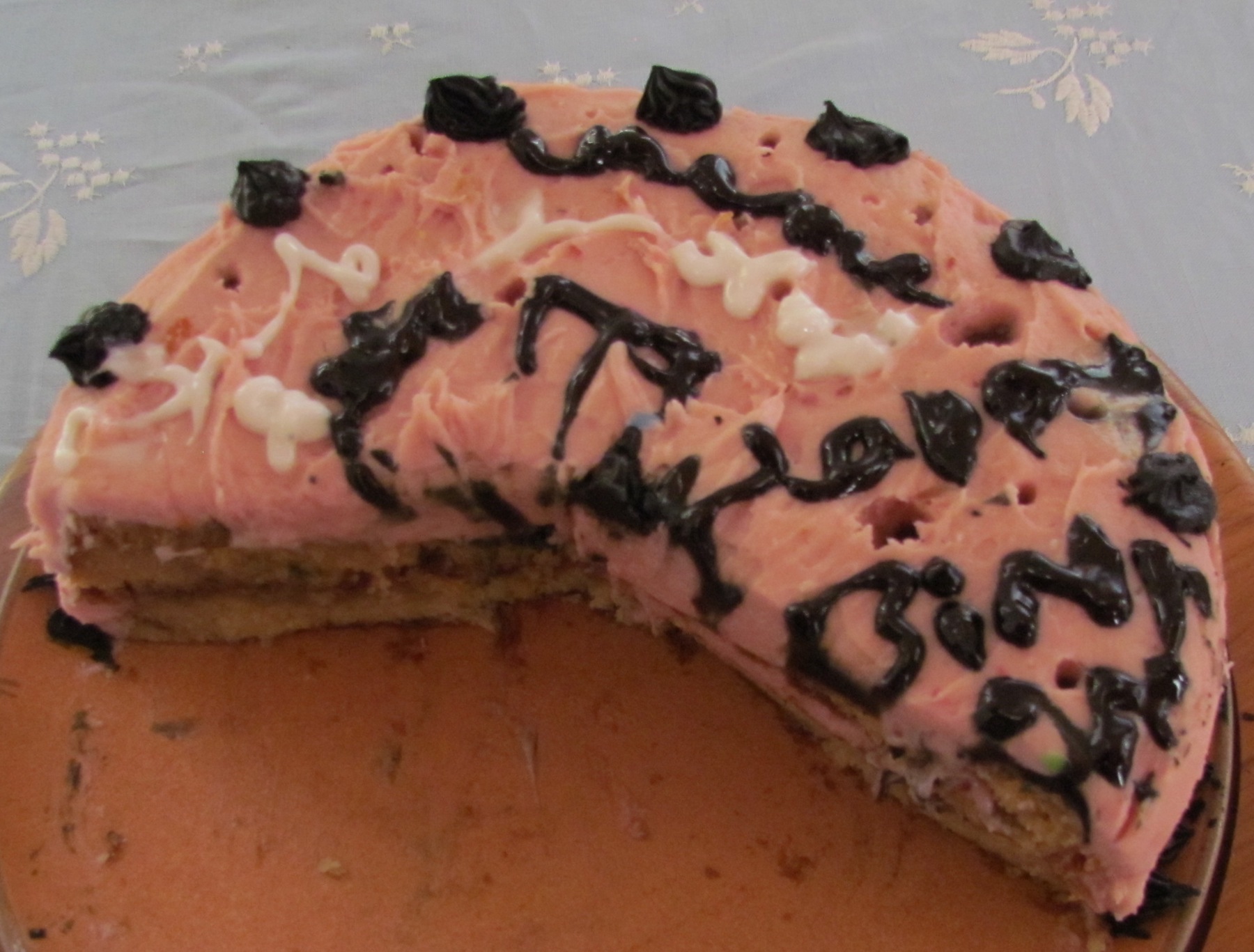
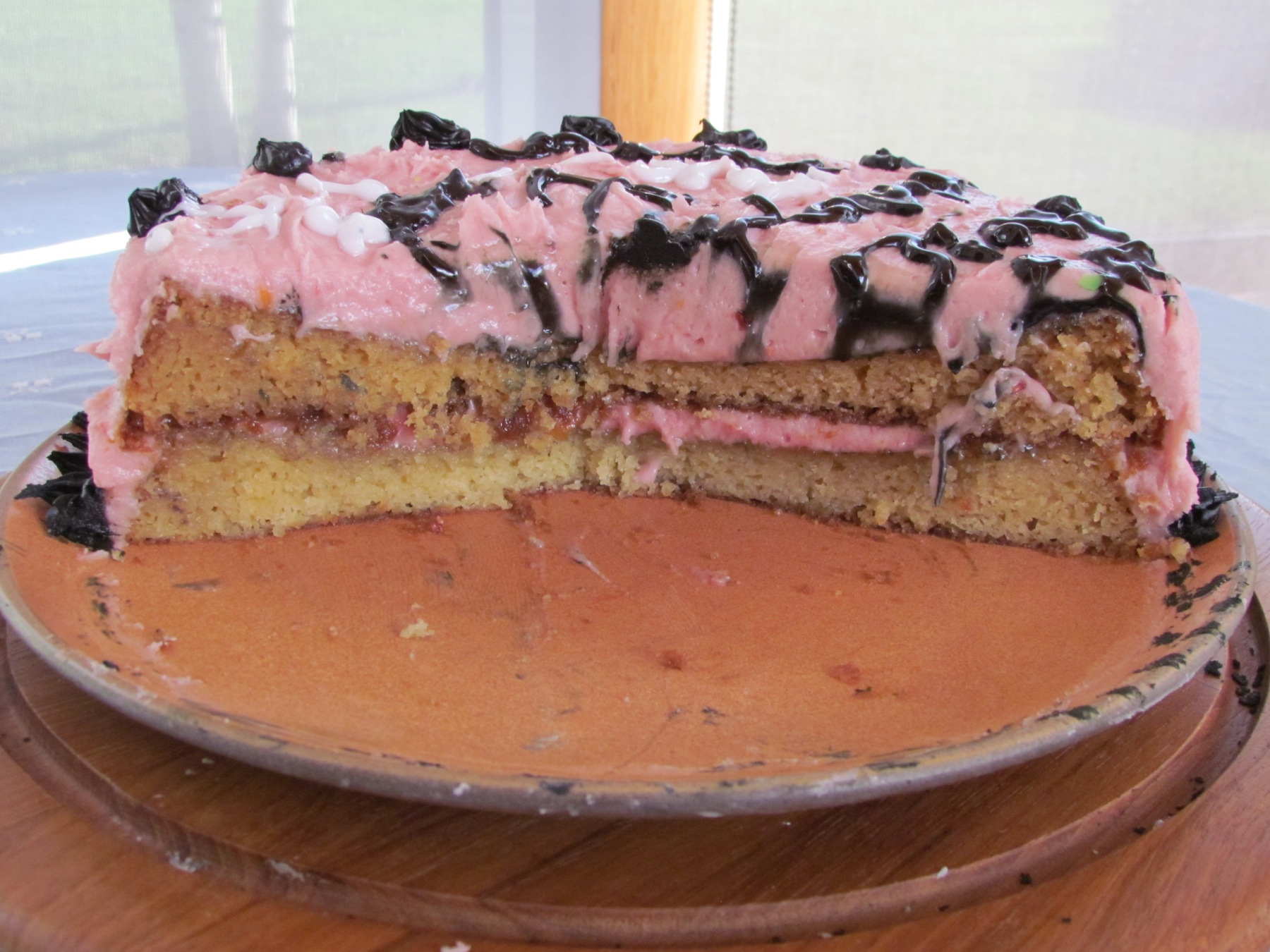
The vanilla cake with raspberry icing Em and I made.  Nic and Emma decorated it by writing everyone’s name on it.  And yes, it was delicious!
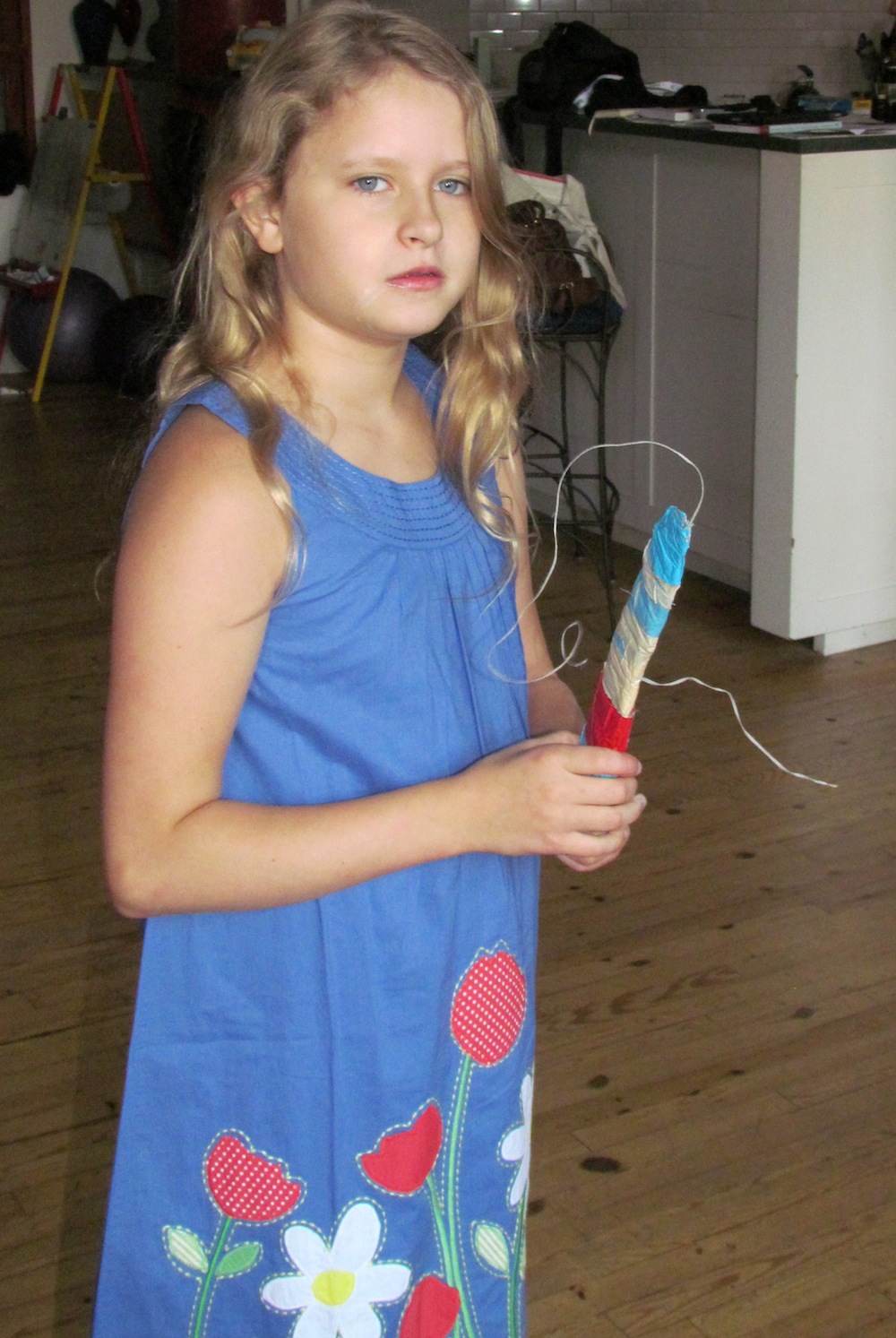
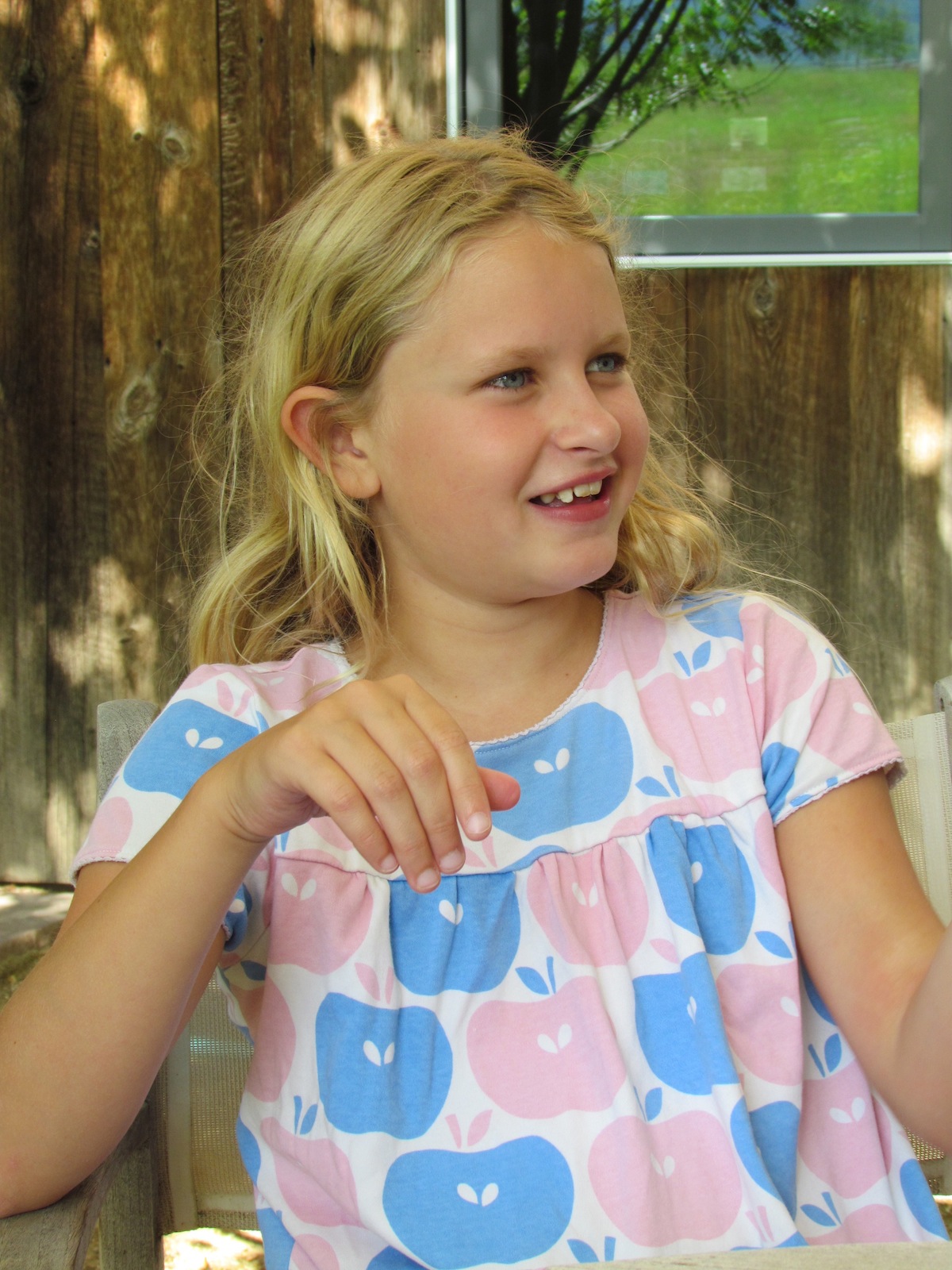
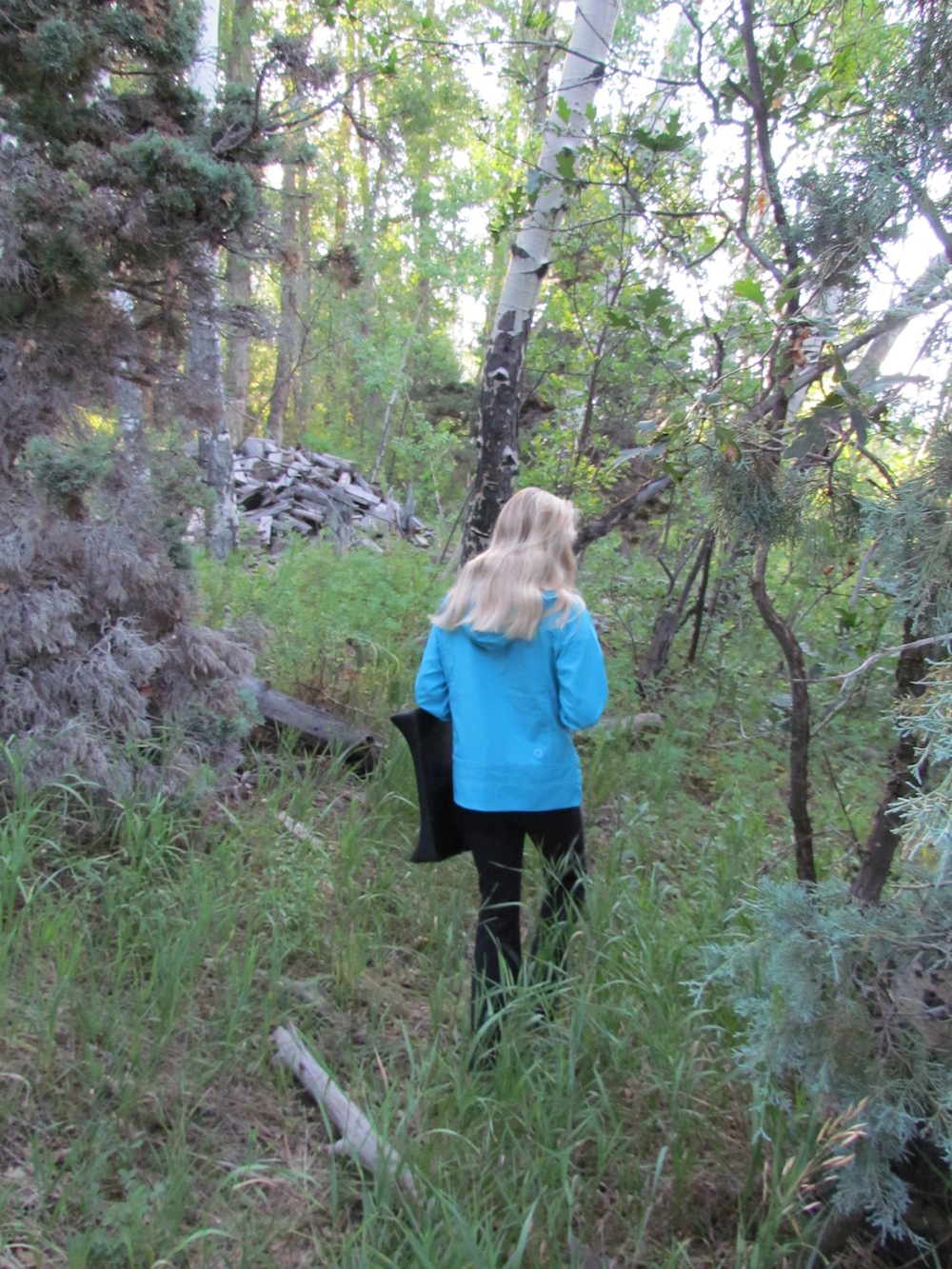
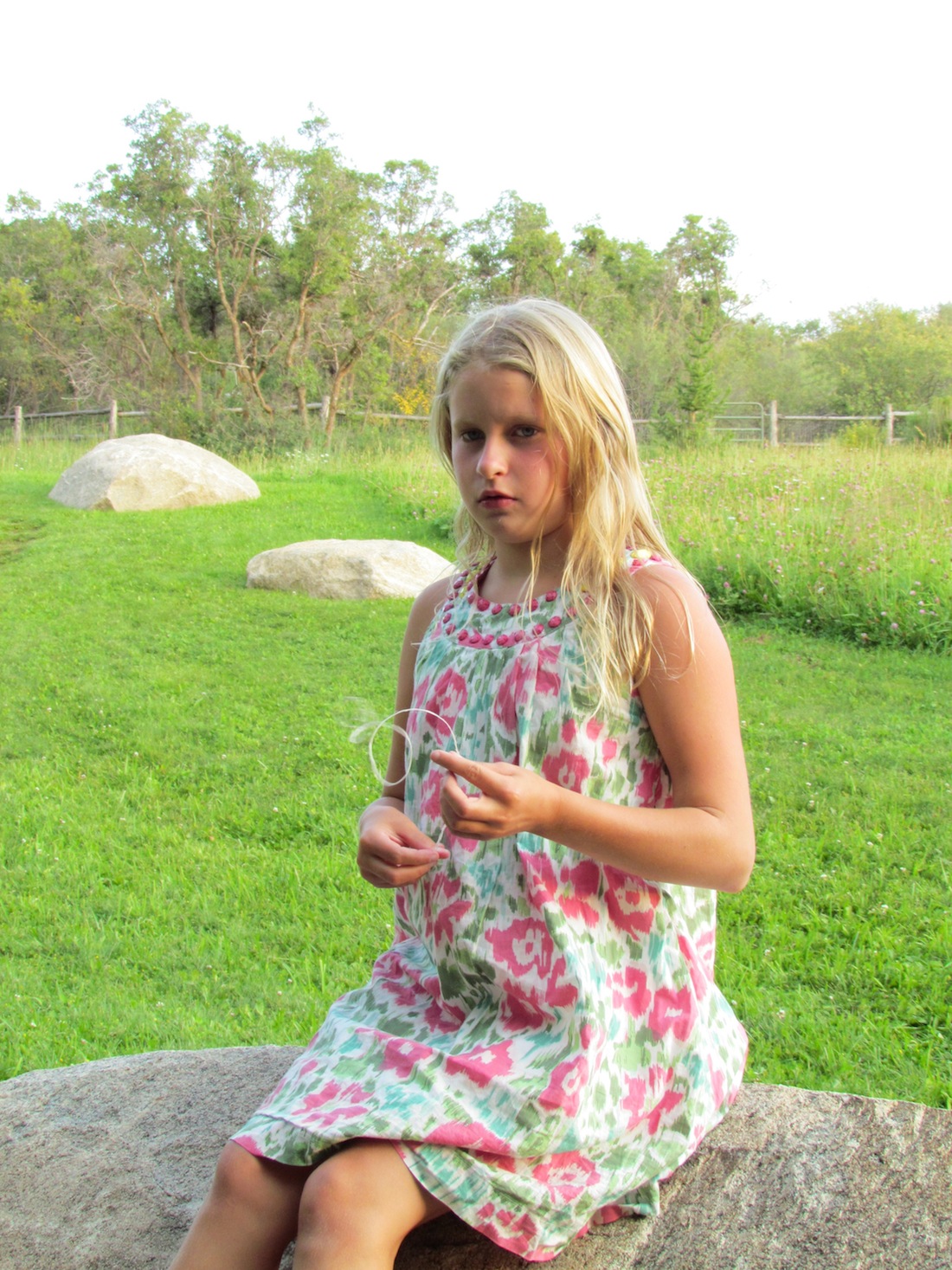
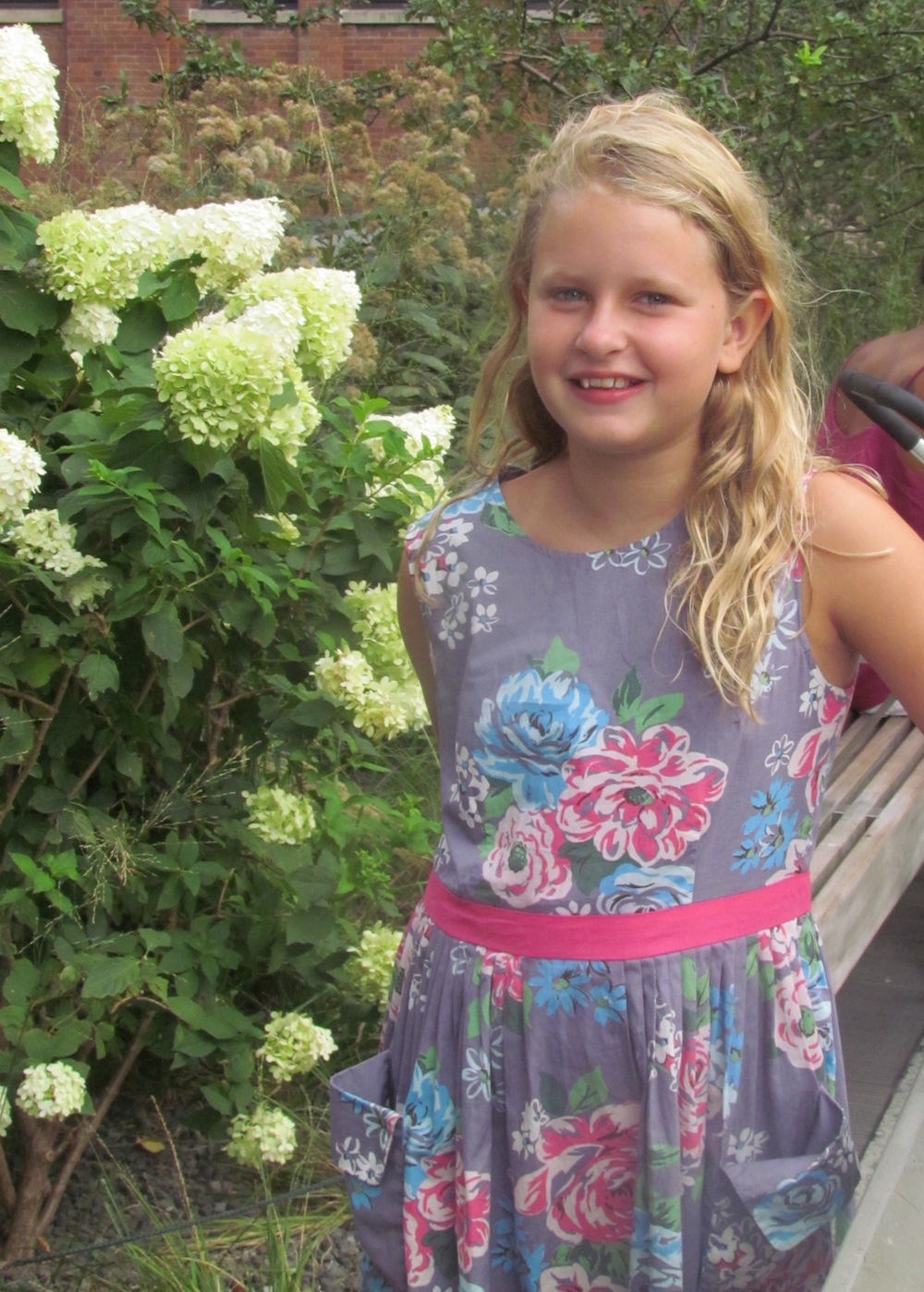
Beautiful Em wearing one of her pretty dresses
The Intense World Theory Of Autism And An Interview With The Markrams

At the ICare4Autism Conference, held in Jerusalem August 1st & 2nd, I had the opportunity to interview the neuroscientist team Henry and Kamila Markram who created The Intense World Theory for Autism.  Henry Markram is also director of Blue Brain, and is a coordinator on The Human Brain Project.  Both were at the conference presenting.  The Intense World Theory for Autism states autism is the result of a “super charged brain.”  Feelings, visual, auditory and tactile sensations are felt so intensely they are painful.  These intense feelings, coupled with extreme pain memory causes the child to become overwhelmed and shut down, withdrawing from stimulus.

I first read The Intense World Theory in March of this past year.  I was also just beginning to find blogs written by Autistics.   My world completely changed.  It was the first time I heard anyone working in the field of autism who did not speak of it as a deficit.  I remember reading every paper they’d written, making Richard read everything I was finding as well.  We stayed up every night for weeks discussing what this might mean, how it changed our view of our daughter, how it completely upended how we worked and communicated with her.  It was as close to a spiritual awakening as I’ve ever had.  I felt as though everything I thought I knew about Emma opened up and I was introduced to a vibrant, new and hopeful world.

So it was with great excitement that I sat down with Kamila and Henry Markram after their presentation on August 1st.  I have not delineated who was speaking, other than to write my questions in bold, as the conversation was a casual one and the dialogue often overlapped.  What follows is an edited version of my interview as we spoke for close to an hour and I didn’t want to repeat much of what was covered in their terrific interview with John Scott Holman of Wrong Planet.  For a more thorough reading of The Intense World Theory of Autism read his interview ‘here‘.

In your presentation you spoke about neuroscience and how the biggest impediment to Autism is that it continues to be listed in the same category as mental retardation in the DSM.  (Diagnostic and Statistical Manual of Mental Disorders)  Can you talk about that a bit more?


“Autism is not a form of mental retardation. If parents approach their child as mentally retarded, then naturally they will apply a whole program of hammering the brain. If the Intense World Theory is correct, and the brain is already hyper-reactive, then this could just accelerate autism.  We have a grant now to study this for the Swiss National Science Foundation.  We hypothesize that you need an environment that is filtered from surprise.  Surprise can be painful.  You can’t easily undo the pain.  Memories shape your life.  normally, it is difficult to undo them, but for an autistic it is much more difficult to forget.  The other problem with Autism being listed as a form of mental retardation in the DSM is that it directs the way scientists research the problem. For decades, they have just been looking for deficits. So, the biggest impediment to Autism is the way it is classified in the DSM.  This should change.”

So what do you think of ABA as a recommended therapy during early intervention?

“It can be very dangerous and irresponsible.  ABA is for mental retardation.  Evidence points to the fact that ABA could be very dangerous for autistic children.  We don’t have proof yet, we don’t have an animal model, but the risk is very high. From our analysis of it, ABA, especially in the early phases, the critical developmental stage of from birth until about 5, is very dangerous.  You cannot know the intensity in which these children see the world and they are seeing things you can’t see.  There is a hyper emotionality.   ABA at an early age is definitely a no–no.”

How do parents facilitate the transition from this early phase of a filtered environment to the real world?

“The main critical periods for the brain during which time circuits form irreversibly are in the first few years (till about the age of 5 or so). We think this is an important age period when autism can either fully express to become a severe handicap or turned to become a major advantage. We think a calm filtered environment will not send the circuits into hyper-active modes, but the brain will keep most of its potential for plasticity. At later ages, filtered environments should help calm the autistic child and give them a starting point from where they can venture out. Each autistic child probably will first needs its own bubble environment before on can start mixing bubbles. It should happen mostly on its own, but with very gentle guidance and encouragement.  Do all you would want for your child ….but in slow motion…let the child set the pace…they need that control to feel secure enough to begin to venture off into any other other bubbles.”

Given that Autism is not a psychiatric illness, that it should not be in the DSM to begin with, but rather is a difference in neurology, what do you say to psychiatrists who are coming up with theories that people then believe as though these theories were fact?

“It is very difficult.  There are lots of theories , not so many facts.  Theory of Mind is a deficit model.  I think it’s been a very distorted interpretation.  When we first came out with the Intense World Theory people were quite opposed to it.  But now people are starting to move away from the deficit model.”

Your son is Autistic?

“Yes, he is now eighteen years old, living in Israel.  The opposite of what people tell you about autism, he is so emotional, he feels so intensely.  The smallest thing happens, he is mortally wounded.  He doesn’t know how to organize himself.  He has hyper memory.”   Henry:  “I’m pretty much also autistic.  I learned all kinds of tricks,  all kinds of strategies and I was able to develop tricks.”  

It seems a great many Autistic children also have GI issues.  What do you say to that?  

“When you alter something in the brain it alters the communication in the body.  It is very difficult to separate them.  All of these things could be secondary to a neural insult.”

What about diet?

“Some respond better to diet than others.  Some may be very sensitive to diet, not necessarily because of their autism.  Allergies can affect all people.  A diet can help the symptoms of autism if that is a stressor.  You need to lower the stressors, diet, sleep, all those things are stressors, combined with their sensory overload it’s going to exacerbate everything.  These aren’t treatments for autism, they are things that can place stress on an autistic child.”

What do you say to the parent who is considering drug treatments?

“Drugs are being given by doctors who have no idea how the neurons are affected. We are living in an illusion that we can easily treat brain disorders.  The human  brain project will change everything in the way we think and treat autism.”

Care to weigh in on the ongoing vaccination controversy?

“There is no evidence to support the connection.  The idea of toxic effects after the first trimester and the idea of toxic effects after birth seem very unlikely.  Parents should not avoid vaccinations.  I think the insult has to be in utero.  The first trimester is the danger.  Avoid anything extreme, no extreme stress.  That should be taken as a black out period for women from the moment they know they are pregnant.  Stay calm, sleep well, eat well.  All we can do is guess.”

Given the intensity of an Autistic child, how can we help manage their environment?

“In the early phase of the child’s life..  Repetition is a response to extreme fear.  The Autist perceives, feels and fears too much.  Let them have their routines, no computers, television, no sharp colors, no surprises.  It’s the opposite of what parents are told to do.  We actually think if you could develop a filtered environment in the early phase of life you could end up with an incredible genius child without many of the sensory challenges.”

Kamila Markram

Henry Markram


Emma’s New String And A New School

Emma will be attending a new school this fall.  We were given a placement by the Department of Education mid June that was not over an hour from our home. This new school seems to understand the concept of sensory issues and needs, or at least they’ve heard of the idea and appear willing to consider that this is important to Emma.  They seem interested in my desire to be involved.  We will be working together on a transition.  I plan to meet with her new teachers and the assistant principal.  I will photograph all of them as well as the interior and exterior of the school to put in a book that Emma can look at prior to her first day.

The school has a large gymnasium and a huge auditorium with a stage.  There’s a roof playground and a little area filled with books.  It’s a special education school within a larger “regular” public school.  They seem interested in having Emma do at least some things, like PE, with the kids from the larger school, so she’s not completely segregated out.  It’s by no means ideal, but we have yet to visit a school, private or public, that is.

I took Emma to visit the school in July.  She was anxious, kept saying, “No, I don’t like the new school.  I don’t want to go to new school.”  We talked about how new things are scary.  I told her that at this school she would be able to go swimming in the pool across the street once a week and that there would be new teachers and children.  I could see how anxious she was, just visiting.  I felt the tightness in my heart and stomach.  That feeling hasn’t left me.  I am as frightened as Emma.  This is a big change.  It is an enormous question mark.  Emma has been dealing with her anxiety by saying goodbye to all her old teachers and classmates.  “Lauren is gone.  Charlie is gone.  Soufien is gone.  Rachel J. is gone…” Emma will go through the lengthy list and then always ends with, “Emma goes to a new school!”  I’ve asked her whether she’d like to visit her old school to say goodbye, she is adamant that she does not.  I’ve asked if she’d like to see some of her old friends, she has shaken her head no.

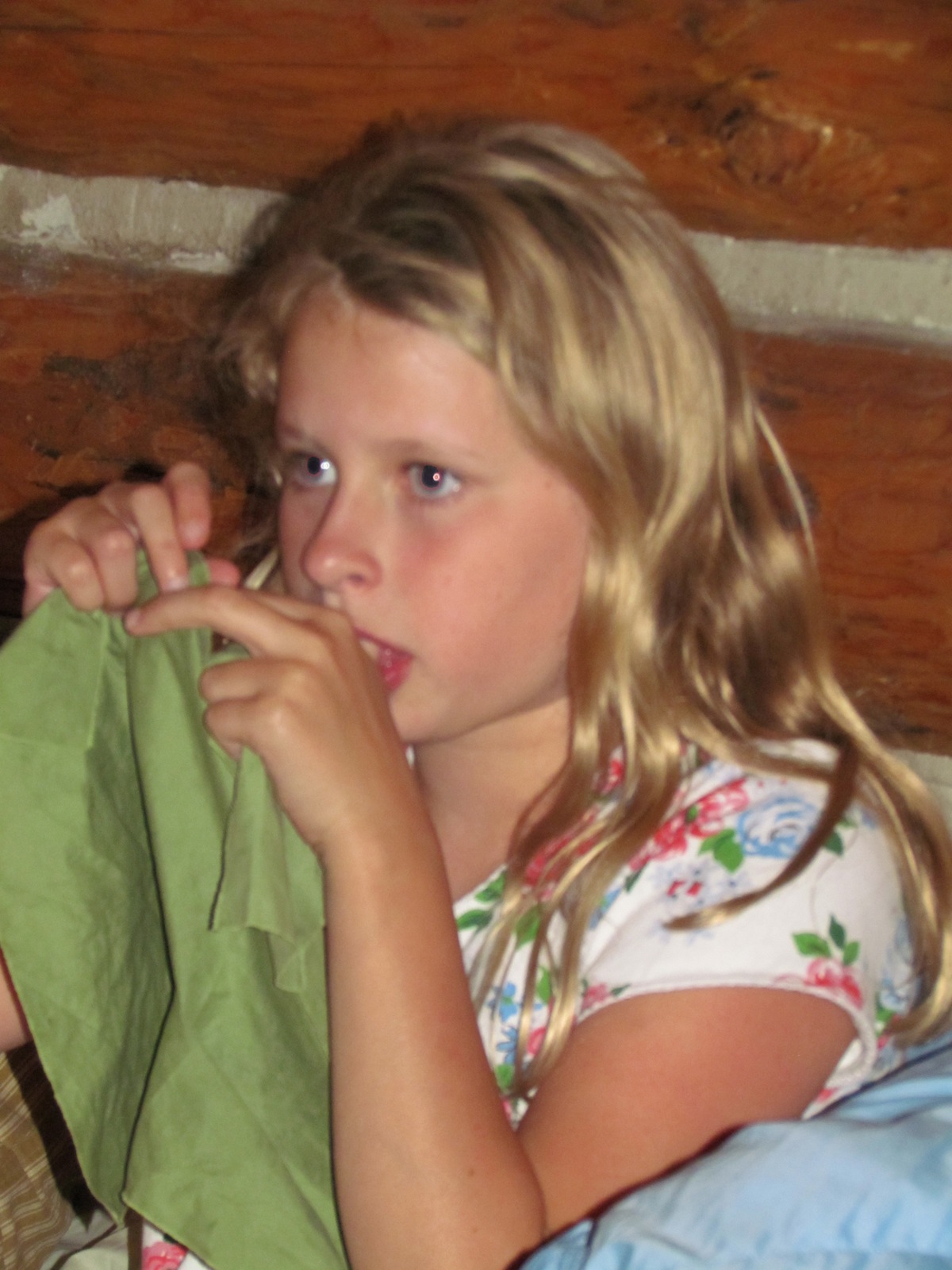
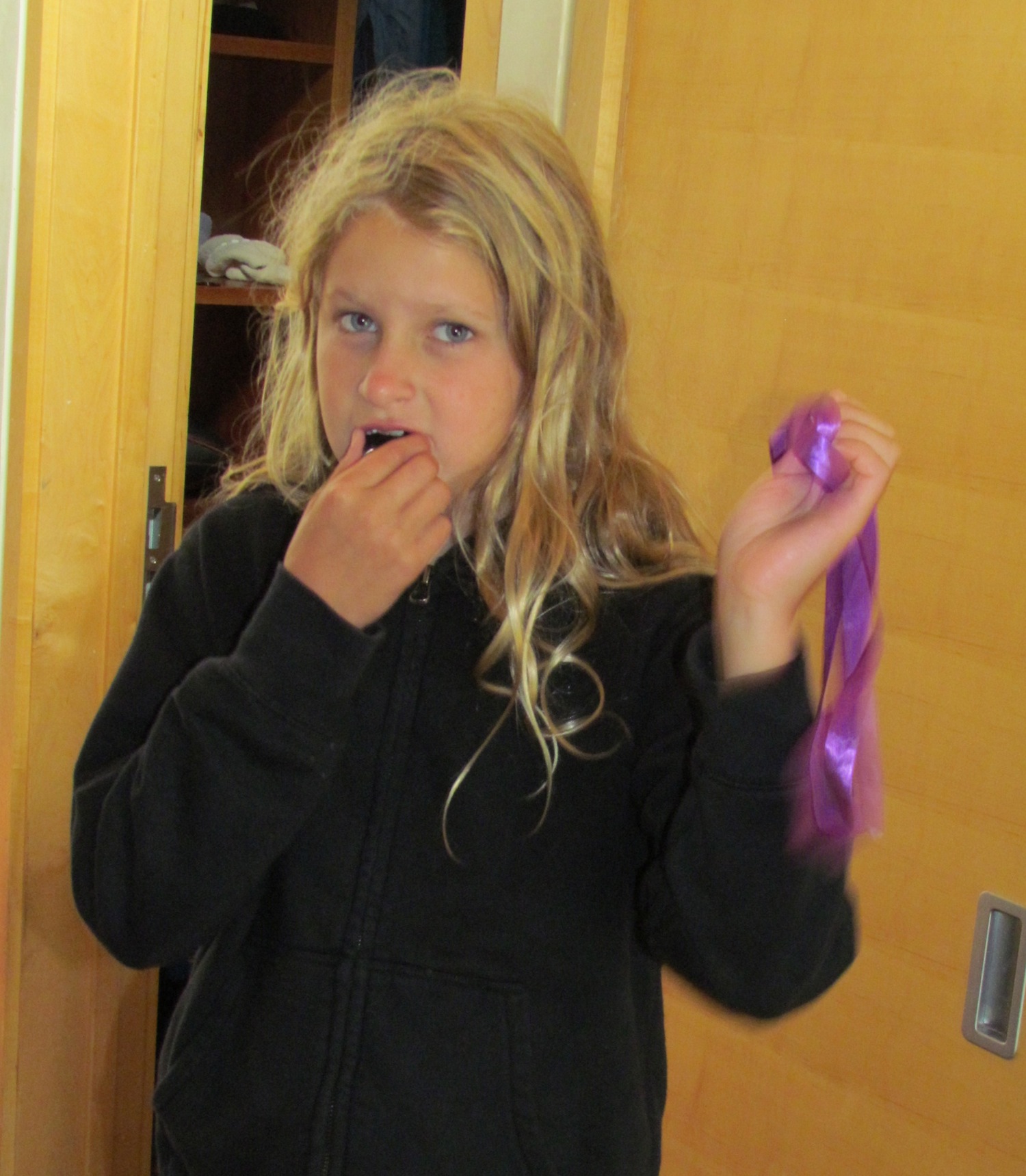
Emma has a new string that she loves.  I’ve written about her string before.  Unlike her scrap of blanket (cokie) which works like a sedative and makes her sleepy, her string seems to help her focus.  She twirls it or will hold it in her hand as she runs, jumps on the trampoline and plays.  Since we’ve been in Aspen she has lost her string three times now, leading to shrieks of terror and screams of “You lost it.  You cannot throw it.  Have to look.  Mommy!  I need help!”  And then tears.  Lots of terrified crying.  Each time we’ve turned the house upside down and eventually found it, but it’s been traumatic for all of us.  This last time it went missing, Richard and I began to think we’d have to place limits on it to ensure it didn’t get lost.  A couple of friends suggested alternate strings, a kind of backup string.  So I asked Em if she’d like to find an “outdoor” string.  She easily chose a long piece of purple ribbon.  She cheerfully took it out with her when we went for our morning ride on the 4-wheeler yesterday.

It occurred to me then that she could have a number of alternate strings.  I thought about her new school and realized she could have a special “school” string too.  I asked her if she liked this idea and she nodded her head vigorously.  “How about a school string and a Saturday string, a back up string and we can find another indoor string,” I said.  “Yes!” Emma replied, clasping her new purple string in her hand as she got on the 4-wheeler.

At her old school several years ago one of her teachers introduced a school “cokie” to detrimental effect.  Emma would sit in the corner with her scrap zoning out.  Over the years her various teachers tried to curtail her use, put limits on her cokie, but nothing they did worked.  Every few months I would get a call from her teacher describing melt downs, her inability to attend, her desire to have it with her all the time.  Each time my heart ached for her as I put the phone down knowing I’d been unable to help alleviate the situation.  At her new school we are hoping by providing her with a school string some of her anxiety may be mitigated. I am hoping she does not latch on to a “school cokie” I am praying some well-meaning teacher does not introduce her to one.  We will see.  In the meantime if any of you have suggestions about how to help us help her with this transition – let loose!

Emma’s Cokie

Emma’s old string

Emma’s new string

Emma’s purple string

A Conversation in the Car

Because Em has just brought in the timer and set it for ten minutes, this will be quick!  Kind of like speed posting.  (Post on Markram interview will have to wait yet another day!)

I posted the following conversation on Emma’s Hope Book page on Facebook last night.

Driving home from the swimming pool. Nic and Em in the back seat. 

Nic: Em stop it.

Em: Cha, cha, cha

Nic: Mom! Make her stop. She’s doing that just because she knows how much it annoys me!

Em: Cha, Cha, Cha

Me: Turning around to monitor the situation  Okay, Em. What are you doing?

Nic: She’s trying to bug me!

Em: Grinning  Cha, cha, chocolate milk!

Me: Oh my god, that’s hilarious. Richard! Putting my hand on Richard’s shoulder.  Did you hear that?

Richard: What? What happened?  Looks in rearview mirror.

Em: Laughing  Cha, cha, cha, chocolate milk

Nic: She just changed it so you guys wouldn’t make her stop!

Em: Leaning toward Nic, gets right in his face  Cha, cha, cha, chocolate milk!

Nic & Em begin laughing hysterically.

Not only was the above conversation noteworthy because this type of interaction between Nic and Emma is not typical, but it was also worth mentioning because of Em’s increased interest in word play.  I see this in her desire to play Duck, Duck, Goose where she comes up with different word associations.  Sometimes, as in the case of “China boat, china boat, ocean!”  I’m not clear what the word association is, but I no longer doubt that there is one.

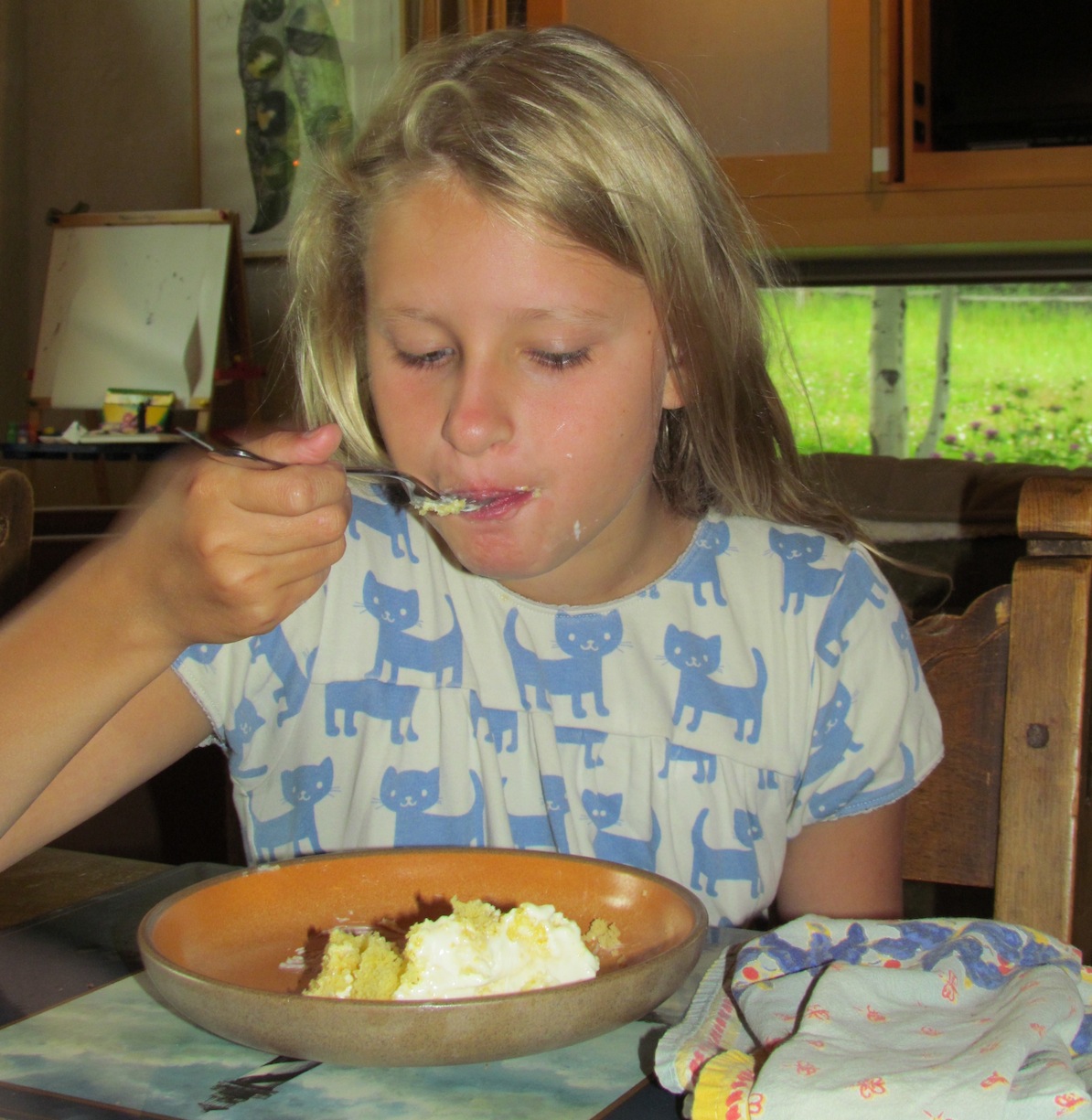
Emma eating her cake

Cloud cover over the Rockies

Walter and friends

Paul

Posting Under Pressure

I’m working on a post of my interview with Henry and Kamila Markram when I was in Jerusalem attending the ICare4Autism Conference.  Henry and Kamila Markram are the neuroscientist team who created The Intense World Theory For Autism.  I am trying to finish that for tomorrow’s post.  However, Em is up right now and insisting I made cake with her and that takes precedence over this post getting written.   Besides she has a timer which she’s just set for fifteen minutes.  She started with three minutes, but I’ve negotiated for the fifteen, so I’ve got just enough time to post these photos…

Say hello to Walter.  Yup, he’s one of three bucks who lives next to the barn.  And yes, my cousins named him…  Walter, after my grandfather.  Yeah, I know.  It is a specific sense of humor.  And yes it appears it is genetic.

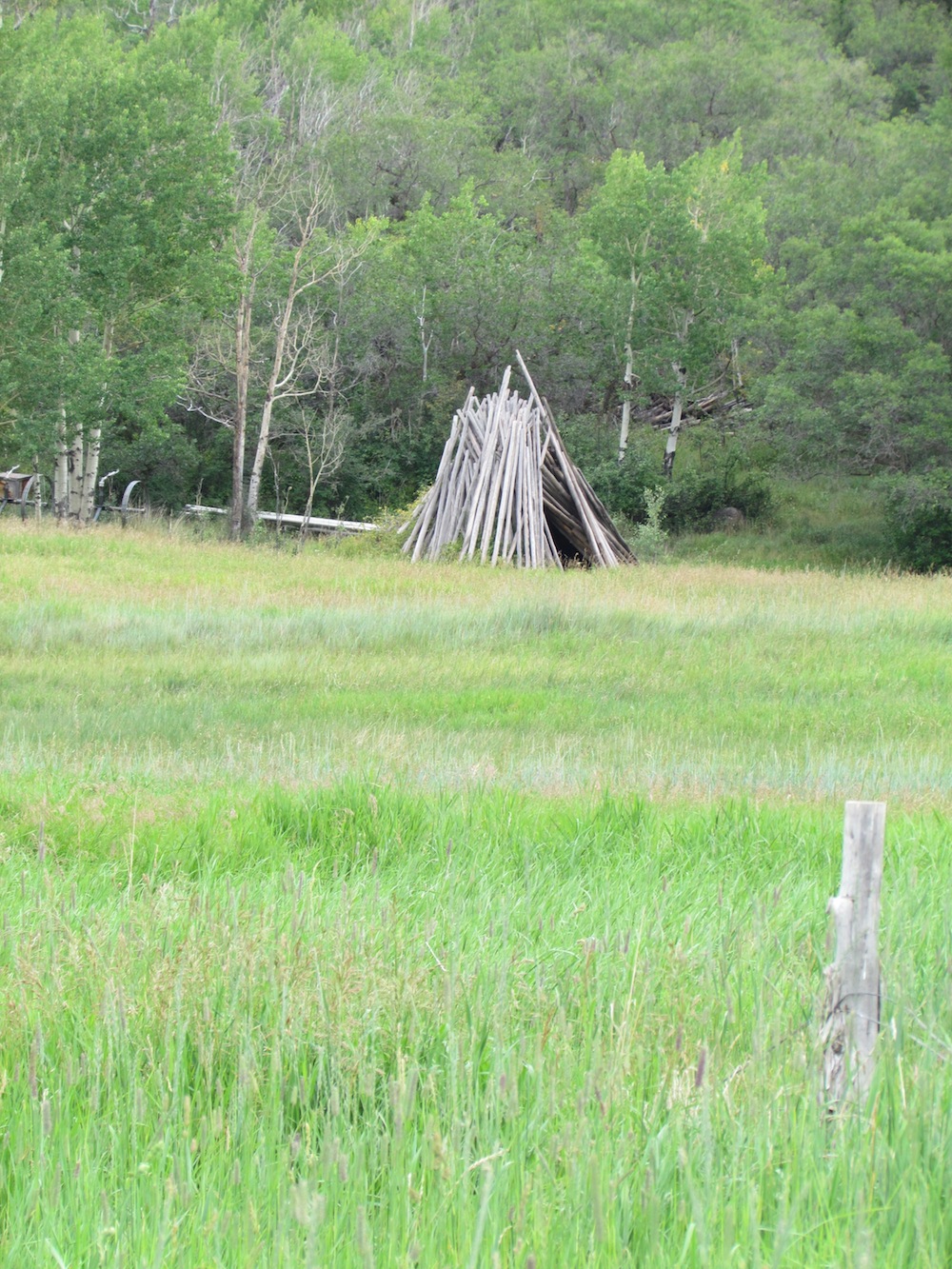
The teepee that has been on the property since the 70’s or maybe even the 60’s, I can’t remember.  I just know it’s been here almost as long as I have been on this earth.

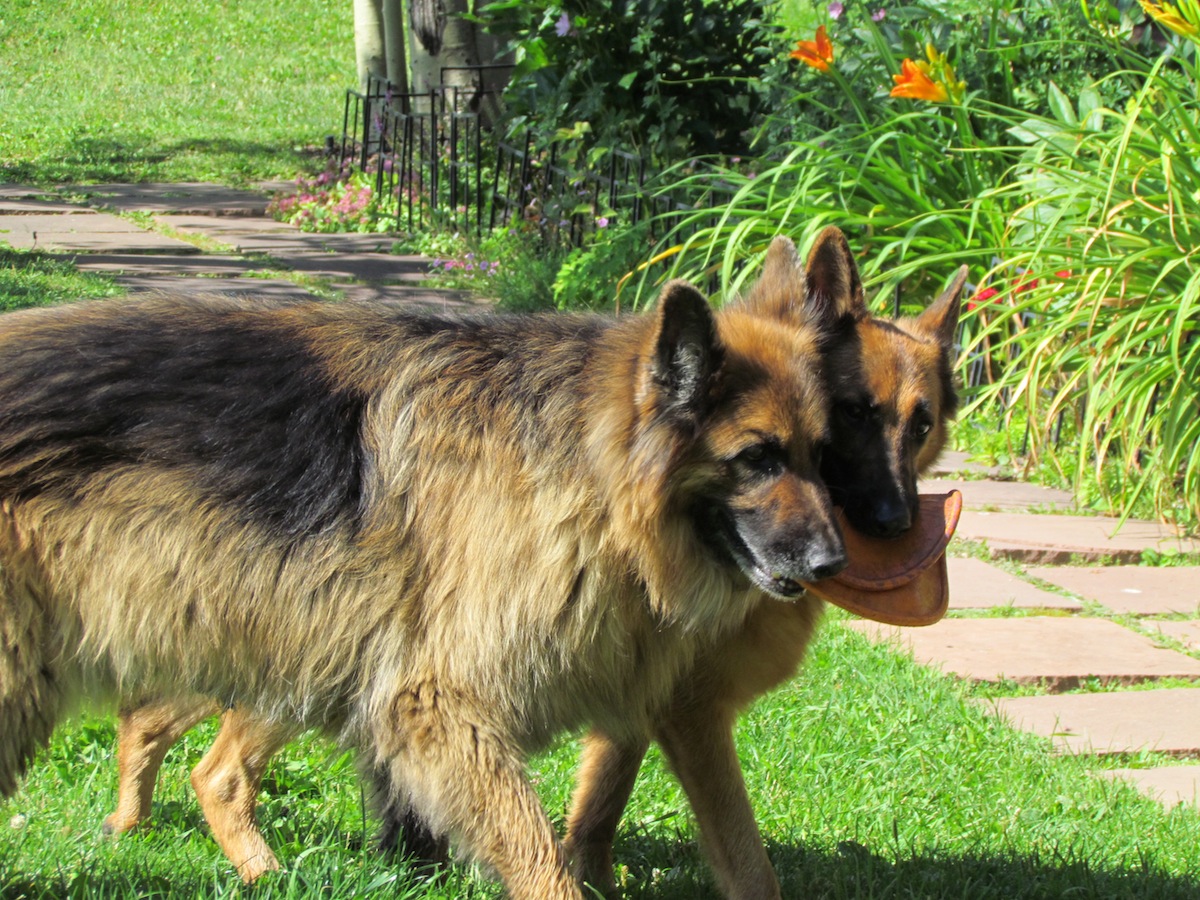
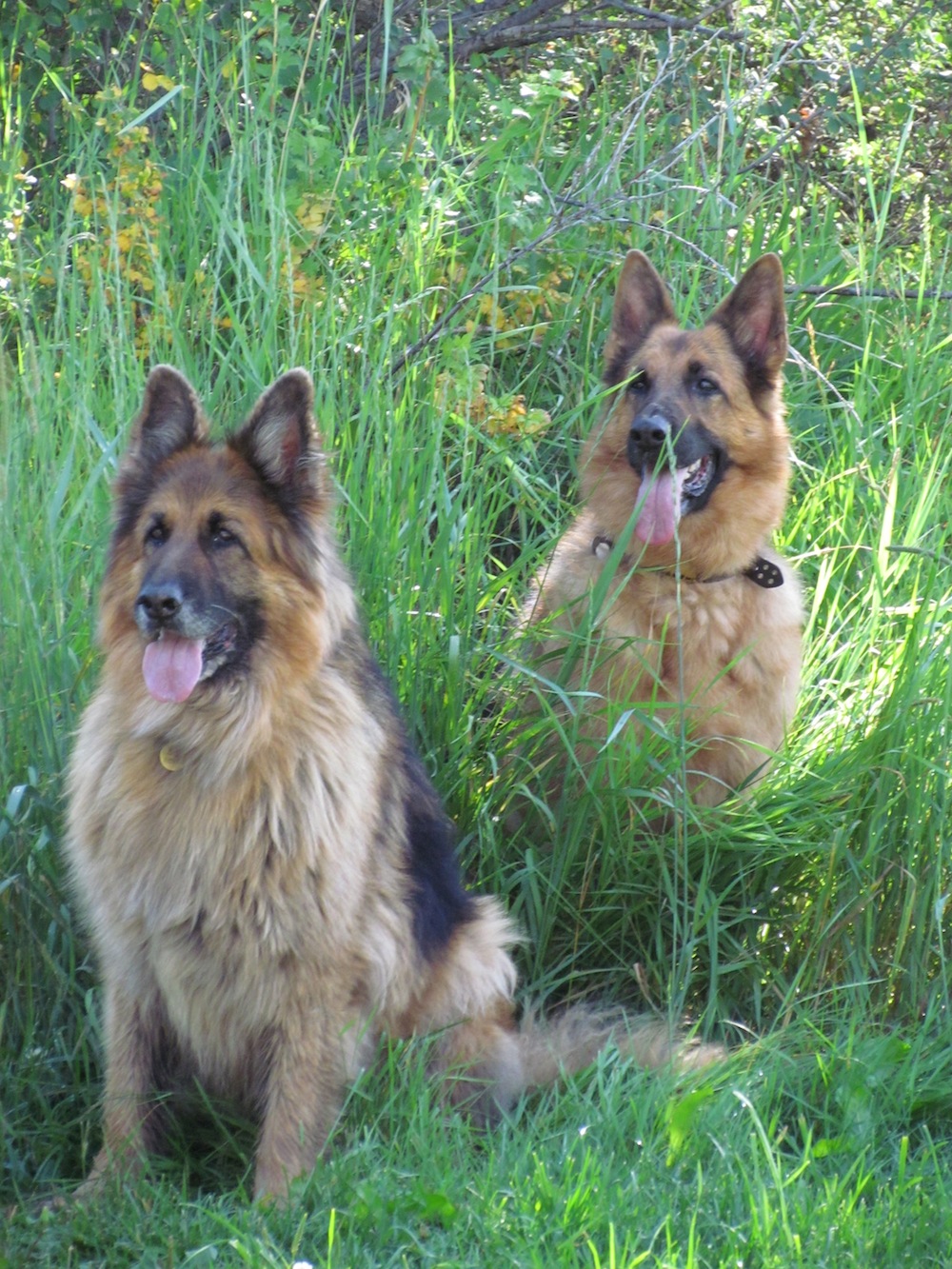
The dogs – Folgen & Gaia – who love nothing more than to have their frisbee thrown to them.  Emma likes it when I throw their frisbee too.  They just don’t like giving it back to me so that I can throw it again.  Which leads to lots of yelling, “Drop it!  Drop the frisbee!”  And then they do this…

And when they’ve had enough running after the frisbee they take it far away and guard it.  Like this.

We have been playing some massive games of Duck, duck, goose and even Granma has started to run when picked.  My brother and sister-in-law are here so  the game has become a nightly event with lots of laughter and shouting, “Hurry, hurry, SIT, SIT!”

Emma waits to be chosen…

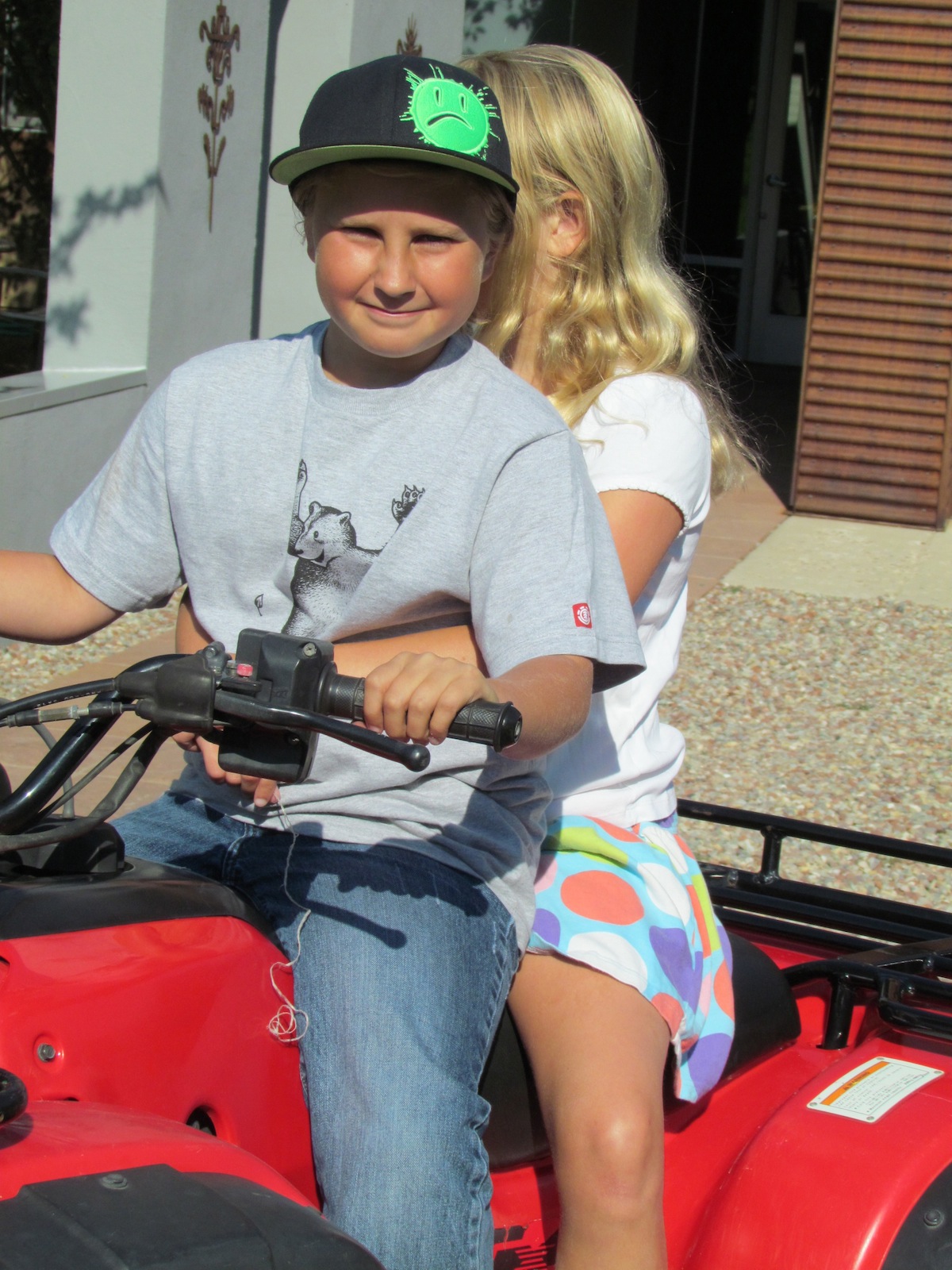
Nic has mastered the art of driving the 4-Wheeler and now takes Em around the ranch.

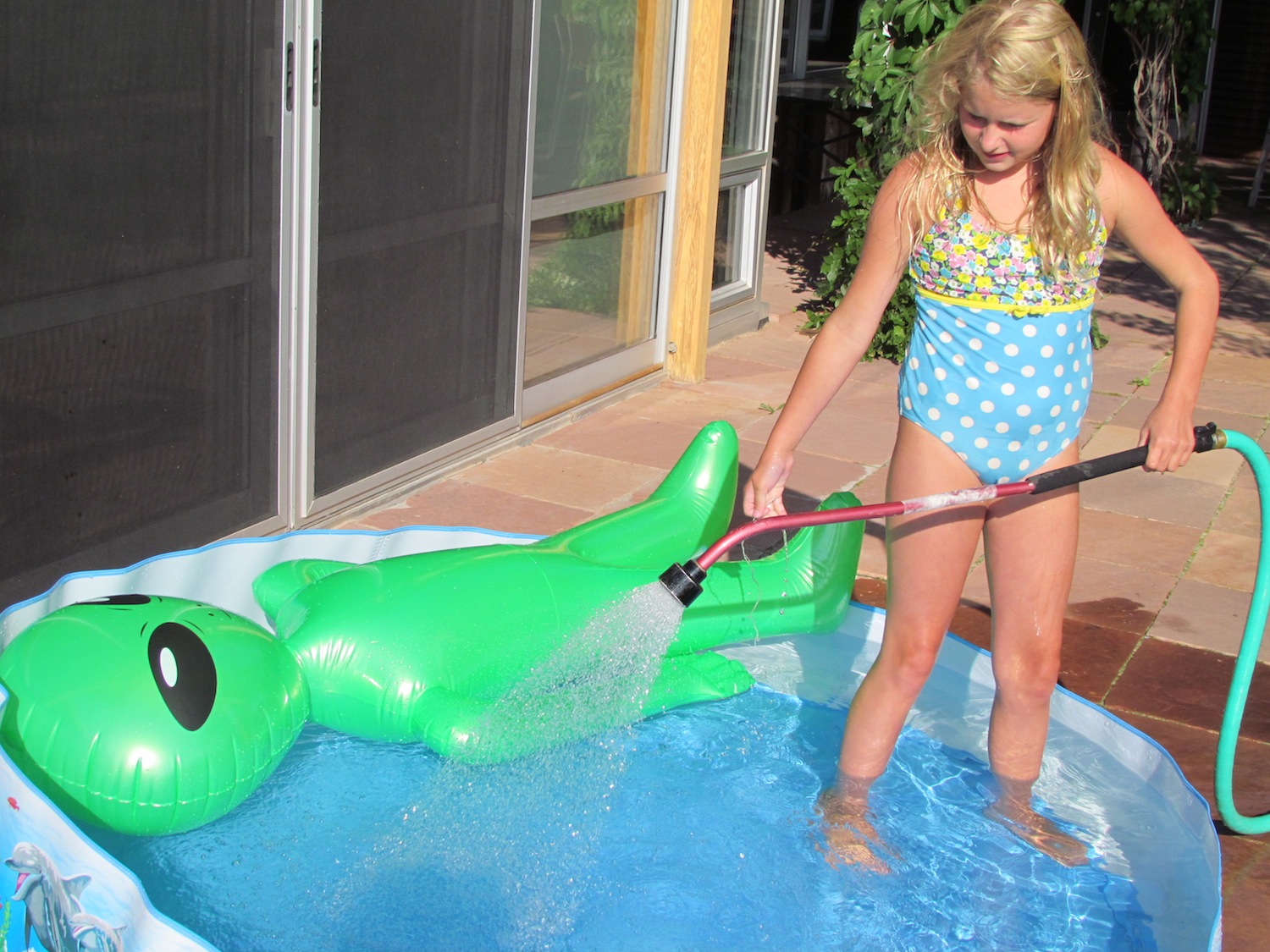
Em takes the Alien swimming

Whew!  That’s it, I’ve got 42 seconds to hit the “Publish” button!

Related articles

It’s A Man’s World – The Cabin, Outhouses, Peeing & Bladders

I have the bladder of a camel.  Only now that I think of it, this may be factually incorrect as I’m not certain camels really do have exceptionally large bladders, for all I know, they just pee where ever they are because they can, and that I’m confusing this with the fact that they go for long periods of time without drinking water, but that first sentence has a certain power to it and it gets the point across.  Okay, moving right along here…

You may wonder why I bring this up.  You may be thinking, this is not the sort of post I am interested in reading.  You may be thinking I don’t care about camels or bladders in general and particularly not hers and anyway what has this got to do with autism?  Or you may be thinking – Oh DO get on with it.. or you may be heading over to google because now you want to know all about camels, or you may be..  okay, okay.

Allow me to explain.  Both my children have, it appears, inherited my ability to not pee for inordinately long periods of time.  I can also go for long periods of time not drinking any liquids, coupled with my excruciatingly slow metabolism I could basically out live anyone should I ever be stranded somewhere, like a broken elevator, where there was access to neither.  (Oh I know.  Welcome to my mind.)  This ability to go long periods without having to pee comes in handy: long car trips, aversions to using public restrooms, and sleepovers at our cabin.

I’ve mentioned our cabin before.  It’s a rustic, one room log cabin, which my family built (literally) in the late 70’s.  It has no electricity or running water.  There is a sink with cold water piped in from the creek that runs nearby, but I think we turned that off and since no one lives in the cabin, it’s not something we bother with.  My father dug and built an open sided outhouse just up the mountain.  The outhouse is far enough away that you definitely do not want to try to go there in the middle of the night or at any time of the day or night during the winter because of the snow drifts, unless you’re wearing neck high gators.  Trust me, post-holing up the mountain at 3AM, while trying to locate the outhouse because you forgot to bring a flashlight (and toilet paper) in below zero temperatures to pee is not a good idea.  I speak from experience.

Emma LOVES the cabin, as do I and Richard, who couldn’t quite figure out the allure the cabin held, was converted last summer when he had his first sleepover there.  Nic…  not so much.  Every time we come out here to stay with my mother, it’s a given that we will have a sleepover at the cabin.  Emma anticipates this event days in advance.  “Sleep, wake-up, sleep, wake-up, sleep, wake-up, sleep, wake-up, have sleep over at the cabin!” she will say upon our arrival and before we’ve even had a chance to unpack.  “Yes!” one of us will confirm, while Nic looks at us with a look of Please-tell-me-I-do-not-have-to-go-too on his face.  (That kid has way too much attitude for a twelve-year old.)

I think I look forward to sleepovers in the cabin as much as Emma does.  Last night was our designated sleepover night.  After unpacking our things, sweeping out mice droppings, cobwebs, dead wasps, opening the windows and airing the place out I realized I hadn’t peed before leaving my mother’s house.  “Hey Em, do you have to pee?” I asked, figuring I’d take her with me, since I was going to make the trek to the outhouse anyway.  “No!” Emma said emphatically.  So off I went while contemplating the positioning of the outhouse, its considerable distance from the cabin, how inconveniently located it was, how Richard AND Nic have never even used the outhouse, how only a man would build an outhouse this far away and while it was certainly positioned in such a way that one could appreciate the view as one sat in it, how many people were seriously going to do that when it was freezing cold or in the middle of the night?  No, I concluded, this was the sort of outhouse only a man would build and then never use.  And then I bushwhacked my way back to my family.

Which brings me back to my bladder and the ability I, and both my children, have  in not needing to relieve ourselves for hours on end.  It’s a gift, pure and simple.  One that I was particularly grateful for last night, knowing that not only would Emma not require me to accompany her up the mountain at some ungodly hour, but that I would not need to go either.

It’s important to contemplate these things.

Bucks – there were three of them, but I was only able to capture two, the third is just to the right.

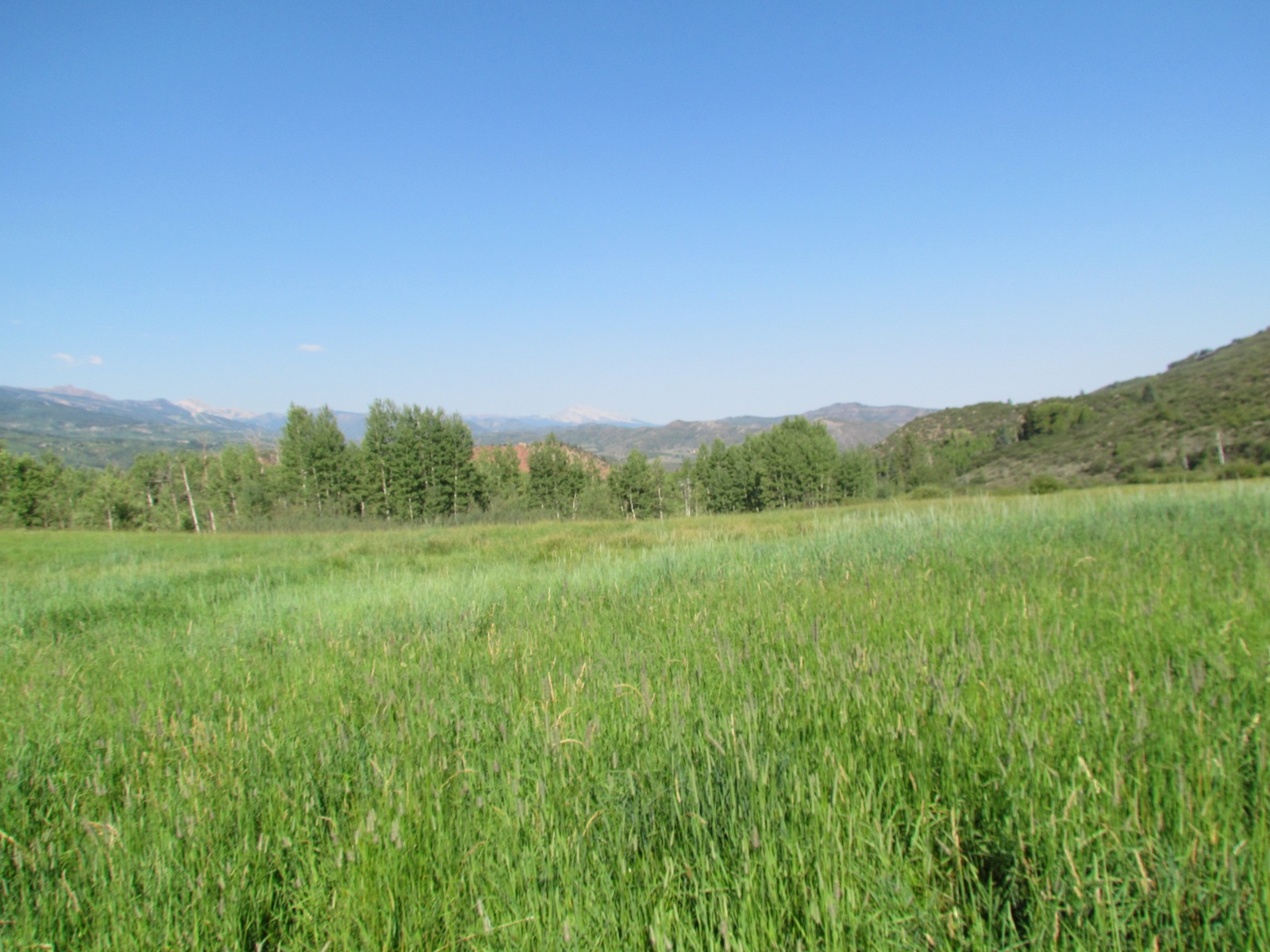
View of our ranch

Emma heading up to the cabin

View of the Rockies from the cabin’s porch

Em heading home

Related articles

ICare4Autism – An Opportunity to Make a Difference

I attended the ICare4Autism conference in Jerusalem last week.  I wrote about this not long ago in the post Synchronicity, Jerusalem and Autism. As a quick recap Jerusalem was the place Richard and I had intended to go for our honeymoon.  Not six weeks before we were due to leave, the intifada broke out, forcing us to abandon our plans. That was thirteen years ago.  This past May I received a letter from the “State of Israel” inviting me to be their guest.

In addition Dr. Henry and Dr. Kamila Markram were presenting at the conference.  They are the neuroscientist team who came up with The Intense World Theory For Autism, the only theory to date that has validated my observations of my ten-year old daughter, Emma.  When I read they were going to be in Jerusalem this past winter I joked with Richard about how amazing it would be to meet them AND go to Jerusalem.  At the time we just laughed at the insanity of the idea and went on with our lives.  Then the invitation arrived.  I knew it meant I would need to write about the conference.  Writing about the conference was why I’d been invited.

Except I do not consider myself a “journalist.”  I am not an impartial, unbiased observer, prepared to provide an even-handed summation of my observations.  I am highly opinionated and exceptionally biased in my ever evolving perspective on autism.  I regard the motivations of most so-called autism advocacy organizations with suspicion and even outrage.  I am frequently hostile in my view of the self-appointed Autism experts, medical charlatans and other “professionals” who make a living off desperate parents, like myself.  If I had all the money I’ve spent on the various “cures,” biomedical interventions and dubious therapies we have employed over these past eight years, I wouldn’t have cared about an invitation providing me with airfare and hotel accommodations.

In less than a year, my perspective has radically changed.  Had I attended this conference last August my focus would have been on meeting as many researchers and doctors as time would allow.  I would have spent each break roaming through the many tables set up outside the conference rooms selling all manner of goods purported to help a child with Autism (and yes, that is how I would have described my daughter – a child with Autism) hoping for something that would cure my daughter with the same longing and desperation that had dragged me from one “specialist” to the next for all those years, not so very long ago.

But that was before.

That was before we began implementing Emma’s literacy program.  That was before Emma showed signs that something we tried could and would work.  That was before I read Henry and Kamila Markram’s Intense World Theory.  That was before I began reading the blogs of Autistic adults and as a result began communicating with a number of them (see yesterday’s post).   Suddenly, and it really was relatively quick,  I began to view my daughter through the eyes of someone seeking to understand rather than fix.  I began to see her actions, whether it was stimming or echolalia or self-injurious behavior – as her attempts to communicate rather than aberrant behaviors that needed to be quelled and eliminated.

Was ICare4Autism going to be different than any of the other organizations out there promoting interventions, therapies and the ever illusive and questionable promise of a cure?  The information I compiled prior to the conference did not look promising.  But, I kept reassuring myself, the Markrams would be there and if nothing else, I had set up an interview to speak with them.  Beyond that there seemed little to distinguish them from any of the other organizations using “autism” in their name.  Still I went to the opening dinner with an upbeat, hopeful attitude, eager for a better idea of the organizations intentions.  When the opening video played I consoled myself that at least the distraught parents filmed were not openly weeping and talking about their distress in front of their children.  By the way, just in case anyone misunderstands me, less than two years ago I could have been one of those sobbing parents and I would have wept in front of my daughter and spoken of her with the mistaken assumption that she couldn’t understand.  It would not have occurred to me that hearing her mother speak of a desire to cure her might have made her feel horrible, sad and depressed, things she wouldn’t be able to communicate to me, which would only further her sadness and feelings of isolation.  I get it.  Really I do.

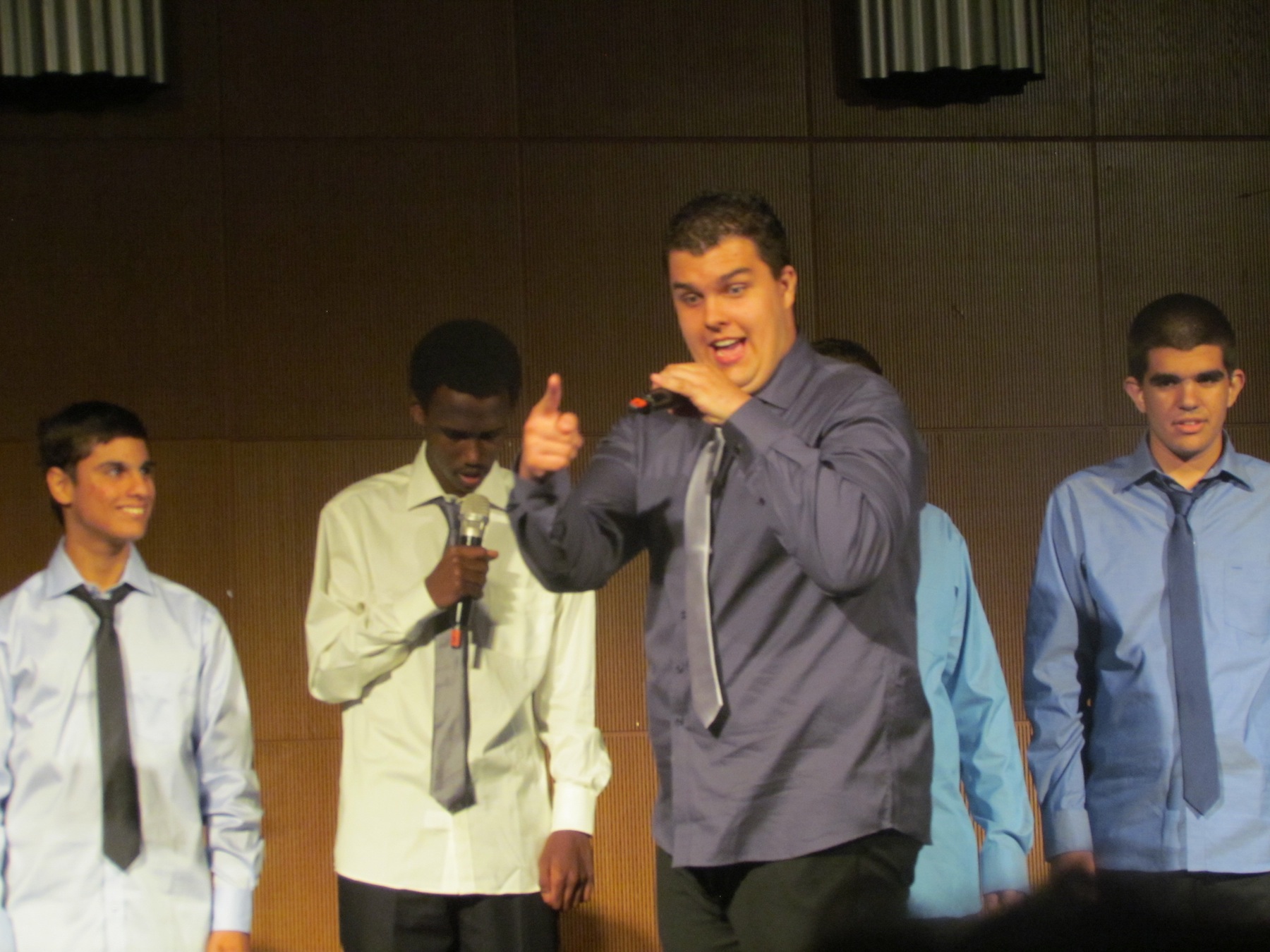
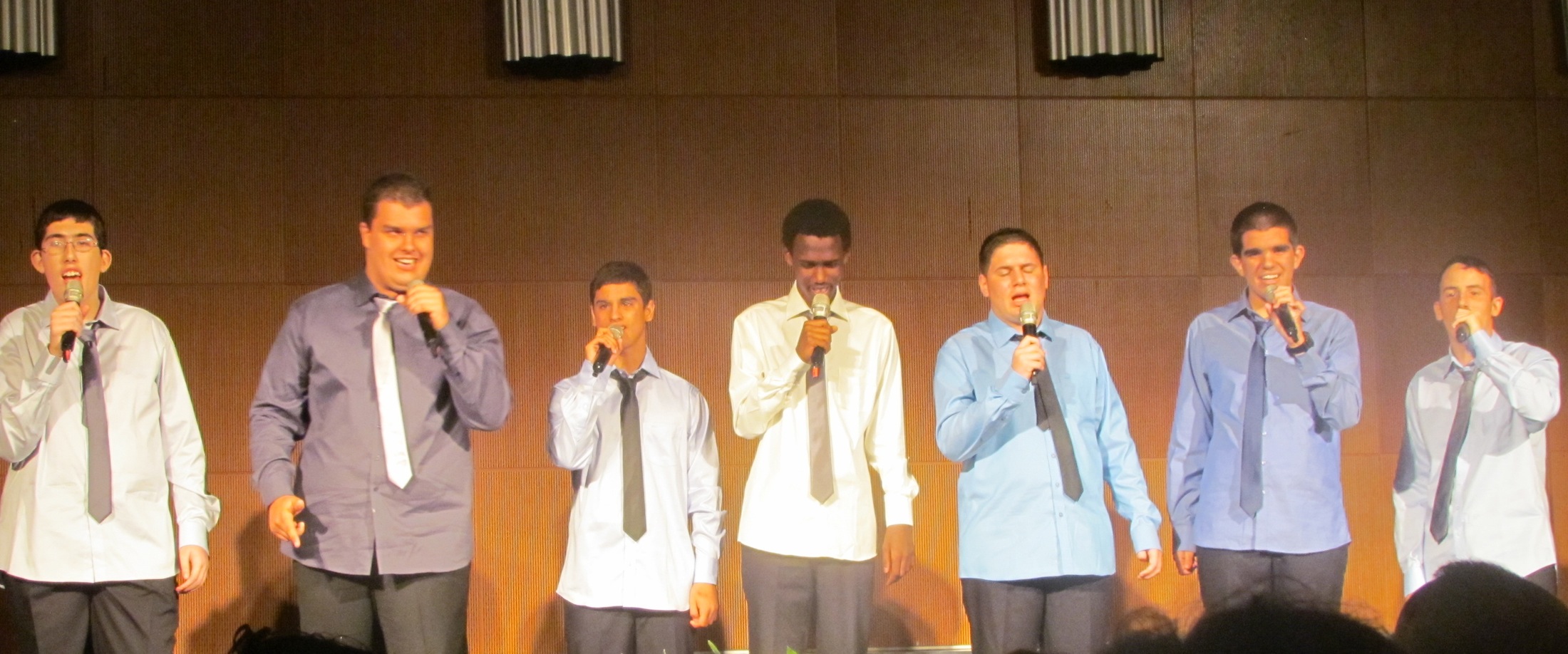
The conference began with a Welcoming Ceremony with a speech from the founder and CEO, Joshua Weinstein, who called for communication and collaboration.  He spoke of plans to move their headquarters to Jerusalem, a city with a long history of misunderstanding and strife, making his call for communication and collaboration all the more significant. The Mayor of Jerusalem, Nir Barkat spoke of his pride in hosting the ICare4Autism conference and eagerness in it becoming a world center for Autism research.  Dr. Shekhar Saxena, director of Mental Health and Substance Abuse at the World Health Organization spoke briefly as did a number of others.  And then the Autistic Boys Choir got on the stage.  Seven teenagers began to sing, their voices rang loud and clear, their pitch was perfect, their enthusiasm and joy infectious and the audience began to weep.  I was right there with them, madly rummaging around for my kleenex, trying not to let out too much noise other than the odd sniffle.   I wept from sheer gratitude, because these teenage boys/men were like my daughter.  One young man in particular who clearly reveled in performing reminded me of Emma.  So yes, I wept from relief, from joy, from seeing Autism shown not as a tragedy, but as difference and of hope for what can only be described as the possibilities, not just for our children, but for us as a society when we hand the microphone over to those we say we care about and want to help – Autistics.

Over the course of the next day and a half I tried to meet with Joshua Weinstein, but for a variety of reasons, wasn’t able to.  Then finally in the afternoon of the last day of the conference, I saw Joshua Weinstein and mustered up the courage to approach him.  I spoke to him about why the Autism = Tragedy model needed to be discarded, that while it may get people to write checks it was an unbalanced view, completely disregarding the feelings of Autistics (our children) who are being sent the message that they make their parents and families desperately unhappy, the very people who are supposedly trying to help them.  Josh was not only kind and receptive, but later thanked me for coming over to him.   He assured me that he really was interested in communicating with Autistics and would take me up on my offer to introduce him to a number of people I know, both verbal and nonverbal, and am in contact with.

Josh invited me to be on the advisory board, which I’ve agreed to.  He is working with a number of people at the UN, as well as WHO (World Health Organization) and asked that I attend the UN meeting.  He has, since we spoke at the conference called and we are in email contact demonstrating his sincere desire to follow through with his promises and words.  Am I surprised?  Yes.  I am.  But more than that I am hopeful.  Hopeful that ICare4Autism will actually include the very people they say they care about by putting them on their advisory board and by listening to them as they develop and attempt to fulfill their mission in becoming a world-wide Autism organization that does more than pay lip service to those who are Autistic.

“Caring about autism – what we know of it and how we put it in our narratives – is something from which all manner of people can and must benefit.”  Representing Autism Culture, Narrative, Fascination by Stuart Murray

Autistic Boys Choir

Related articles

A Little Gratitude And Love

I have to begin this post with some gratitude.  Angela, whose blog – Half Past Normal – a wonderful blog I hope all of you will visit, reached out to me yesterday with a lovely comment.  As with all the comments people leave, I was left feeling so fortunate to be among such a wonderfully vibrant and diverse community.  Thank you Angela for thinking of me and reaching out to me.  It made me very, very happy.

I wrote yesterday about feeling off kilter, feeling what my father would have termed – je ne c’est quoi – I couldn’t put my finger on it, thought it was from all the travel and jet lag, maybe some overwhelm too, I didn’t know really.  But I’m closer now to what it is.  My friend Ib, whom I adore and carry with me in my heart at all moments, helped clarify it for me yesterday.  She calls it “weltschmerz” and she said, “it is located in your language of erosion of trust… disappointment… the need to help underscored with a note of (in my ears) not being sure it will work or anyone will listen… I think it is weltschmerz and I think it got in your body like it does for us and made your bones tired.”  The “us” she is referring to are all the Autistics who are advocating for change.  They are constantly working to change our thinking, our perceptions and the way Autism and Autistics are viewed and treated.

As I read Ib’s explanation I thought of @Coyotetooth who tweets poems in 140 characters or less and photos of his walks.  He is one of the many brilliant, kind souls who is quietly making a difference.  His post, Unshattered is just one example of his poetry on his blog CoyoteTooth13.  His tweets are the ones I try to find first thing in the morning. Sometimes if I’m very lucky I will come upon his and @AspieChap’s conversations, often conducted in rhyme, the best way to begin any morning, it seems to me.  Then there’s @Aspie_Warrior who is tweeting and blogging (blog – Aspiewarrior) about  what it’s like for him as Dad to AS son and NT family.  He writes, “This has led to me working as kind of translator in my household. Kind of a bridge between my NT family and my son.”

@SpectrumScribe with his wonderful blog, Postcards From the Edge of the Spectrum writes about his journey of discovery, revelation, acceptance and self-reconciliation.  He has wonderful suggestions for books and film in addition to his terrific posts.  There’s @AspieKid whose comments on Emma’s Hope Book have inspired whole posts  and who writes on his blog, AspieKid about his life and what it was like for him as a child.  There’s Laura Nagle, featured in the wonderful documentary, Vectors of Autism: Laura Nagle and gives one of the best monologues I’ve ever heard about what it is to be Autistic.

There is Amy Sequenzia and Peyton Goddard and Emma Studer, all of whom are nonverbal Autistics communicating through typing and whose words are having an impact.  One by one they are changing people’s perceptions of their children and what it means to be a nonverbal Autistic adult in the world.  There are countless others and I will try to include them in future posts, but these are all Autistic people who help me understand, who through their kindness help me forgive myself for the mistakes I’ve made, who have helped me do things differently.  Maybe they already know they are making a difference or maybe this will come as a surprise, but they are and they have.  They have made a difference in my life and by extension in my daughter’s life.

If there is one thing I can do with my writing and with this blog, I hope it is to inspire other parents and organizations to read what Autistics are writing and to interact with Autistic people.  If I can have any impact on the organization – icare4autism – it is to persuade them to seek out the advice of Autistics, to hand the microphone over to them and to work closely with them in moving their organization forward.   We parents can give each other support and cheer each other on, but it is Autistics who can best advocate for themselves, who can explain to the rest of us what it’s like, who can encourage us to not concentrate on deficits, but on assets and who can show us we are not so different.  We are, after all, human, regardless of our neurology.  Perhaps it is in sharing our commonalities, rather than our differences that will encourage people, all people to come together to help one another.

I have to end this post with my friend Ib.  Ib doesn’t have a blog, but she is a powerful presenter and advocate.  She also is my friend, someone who reminds me when I feel discouraged, frustrated, tired or angry that kindness was what changed things for me.  Kindness from Autistics who reached out to me and extended their hand not so long ago.  E. from the blog The Third Glance was one of the first, and I’ll never forget how much her comment on this blog meant to me.  Ib has not only extended her hand to me, but opened her arms in embrace, no matter my mood, no matter my lack of understanding, patiently, lovingly, she has given herself in friendship and I can only hope she feels my love for her in return.

Yesterday evening


The Aftermath

Richard and I returned from Jerusalem and the icare4autism conference Friday evening.  It was so good to see Emma again after being away for an entire week. The three of us spent the weekend in NYC and then flew to Colorado where we were reunited with Nic (whom I haven’t seen in a month) looked after by my doting and wonderful mother.  I have at least three hours of recordings from the conference to transcribe.  I must write about the conference in greater detail, I have a great deal of work to do for my business, the one that actually brings in money, and I want and need to spend time with my family.  I’m tired.  That’s what I keep thinking.  But there’s more to it than that and I haven’t figured out yet what that exactly means.  There’s panic.  How am I going to get everything done?  But there’s something else, something I haven’t put my finger on yet.

It’s 4 AM (I’ve been up since 3) but you could tell me it was 1 in the afternoon and I’m so turned around I’d just nod my head.  So rather than say any more I’ll end with this – a little scene from last night.

Em:  Play duck, duck, goose?

Me:  Yeah, okay.

Em:  With you (points to me) and me (points to herself) and Nicky and Daddy and Granma?

My mother: What’s duck, duck, goose?

Nic:  You’ll see.

Everyone sits at the dining room table as Emma stands waiting. 

Em:  (Going around the table, while placing her hand on each person’s head)  Snow.  Snow.  Snow.  Snow.

My mother:  Should I do something?

Nic:  No Granma.  You have to wait.  She’ll say something different.

Em:  (Grinning, pats Granma on the head)  Raining!

Richard:  Oh no!  Emmy you have to pick someone else, Granma can’t run.

My mother:  (Looking horrified) I’m suppose to run?

Me:  (Laughing)  Yes, you’re suppose to run after her.

Em: (With mischievous grin)  Granma run?

Richard:  No, Emmy pick someone else, Granma can’t run.

Em: (Continues to go around the table) Snow. Snow.  (Puts hand on Richard’s head and hesitates.  Then shouts)  Raining!

This game continued for several rounds with Emma occasionally directing when things weren’t going as she felt they should.

Em:  Okay.  Last time for duck, duck, goose.  

When she’d finished going around the table, picked someone and after lots of screaming and laughing my mother said, “That was a great game!”

Em:  Play again?  (Looks around the table grinning)  Okay, okay, later.  Play duck, duck, goose later.  Tomorrow.

It’s good to be home.

Em on the High Line Sunday

The icare4autism Conference in Jerusalem

The icare4autism conference ended this afternoon.  It was a whirlwind of activity spanning 48 hours of discussions and presentations led by scientists, therapists, neuroscientists, policy makers, parents and advocates.  Stephen Shore, who is Autistic, gave the single most entertaining presentation, entitled:  Employment Opportunities for People with Autism: Observations on Promoting Success.

On the first day I interviewed Henry and Kamila Markram, the neuroscientists who came up with the Intense World Theory of Autism, the only theory I’ve read and heard that makes any sense and which validates my own observations of my daughter, Emma.  Yesterday I spoke with Joshua Weinstein, the CEO and President of icare4autism.  He seemed genuinely interested in hearing from people.  He actively sought out suggestions, made himself available to anyone who approached him.  He seemed sincere in his desire to bring scientists, therapists, parents, researchers, educators and advocates  together.

The organization’s weakest point is in having Autistics on their advisory committee.  According to the sheet I received there aren’t any, and only one Autistic person, Stephen Shore, was at the conference presenting.  Perhaps after today’s conversation that will change.  I hope so.  I would like nothing more than to write glowingly about an organization that carries the word “autism” in it’s name.  I spoke out whenever it seemed even remotely appropriate.  But by the end of the conference I had made my – Autistics must be included in this organization -speech more than a dozen times.  Only once was I met with any argument and interestingly enough, that one time was from a parent of a “severely autistic child” as she described him, who was furious with me for suggesting we needed to move beyond the autism = tragedy model.

There is tremendous misunderstanding surrounding labels and the designations of low, high, severe and mild.  It was clear that people do not understand why these labels are unhelpful and the terms were thrown around a great deal during a number of the presentations I attended.  Another huge misperception surrounds intelligence or “lack” of in Autism.  I was astonished to hear the words “mental retardation” used in connection with autism during a couple of the comments from the audience.  I hadn’t realized that was still thought, by many, to be synonymous with autism.

The really good news is, I heard questions surrounding the “ethics” of various treatments and interventions for Autism and I was relieved to hear a number of people talk about the abuse, mistreatment and need for greater advocacy among the Autistic population.  Of course the best advocates are Autistics themselves and so I hope icare4autism will heed some of my suggestions.  I was not the only one making these suggestions, by the way.  There were a number of people, including Stephen Shore who was wonderfully articulate in his opinions and ideas, who brought up the need for Autistics to represent themselves and the importance of Autistics to be involved in all levels of any organization that carries the word autism in its title.

Finally, I miss Emma terribly and cannot WAIT to see her this afternoon.

Em in the playground

To The Mayor Of Jerusalem Regarding Autism

The Mayor of Jerusalem made some remarks during the opening of the icare4autism conference yesterday morning.  The organization intends to have a home in Jerusalem and while they seem to be doing a great many wonderful things, there are a few things that are not so wonderful.  The following is a letter I wrote and sent to the Mayor’s spokesperson yesterday.

“Dear Mr. Mayor,

I am a writer and a mother of an Autistic child.  I am writing a piece I intend to submit to the Huffington Post about the Icare4Autism conference and Jerusalem’s involvement.  

I am in regular contact with a number of adult Autistics, both verbal and nonverbal, who are deeply concerned with the amount of press (almost all negative) that autism receives.  The autism = tragedy model is one they vehemently object to as well as the fact that they are rarely included or invited to be on the boards, advisory committees or consulted when organizations are formed or policy is made about them.  I am hoping both you and Icare4Autism will consider their concerns and am interested to know what you are planning for the future in this regard.  
 
Will you consider including autistic people as advisors, at the very least, who can help in creating better awareness and understanding not just in Jerusalem, but in the world?  You, Jerusalem, Israel and your association with icare4autism have the unique opportunity to do something none have done to date –  work with and help develop an organization that changes the public perception of autism by including Autistic people.  But this will require more than just one or two token Autistics, it will mean truly giving Autistics the opportunity to be a part of the development of policy and organizations meant to help them.  Autism is not a tragedy, however public perception of it is.  
 
Autism is a neurological difference from that of a neuromajority.  Suggesting cures, promoting imagery that is depressing with melancholy music, showing Autistics as burdens who are broken is something that in the US is sadly the norm.  The single largest Autism organization in the US is Autism Speaks, an organization that is abhorred by a massive number of Autistics.  The prevailing perception of autism as tragic and a devastating crisis creates more misunderstanding, panic and fear.  To be Autistic, to feel that your very existence is in jeopardy because of organizations intent on “cures” only increases that fear.  None of us make good decisions or behave well when fearful.  
 
I hope that you will consider the Autistic adults who are speaking out, who are asking to be heard, respected and given a say in organizations which use the word “autism” as part of their identity.  
 
I would love to include a quote from you on any of this.  
Thank you so much.  
All my best to you and your vision for Jerusalem and autism,
Ariane”

I am going to meet with the head of the icare4autism organization this morning and will speak with him about these concerns as well.  Keep your fingers crossed and wish me luck!

The photograph below is of the Autistic Boys Choir.  They performed yesterday at the opening.  People were openly weeping.  The performance was terrific, their voices exquisite, the joy infectious and a wonderful example of what “Autism looks like.”

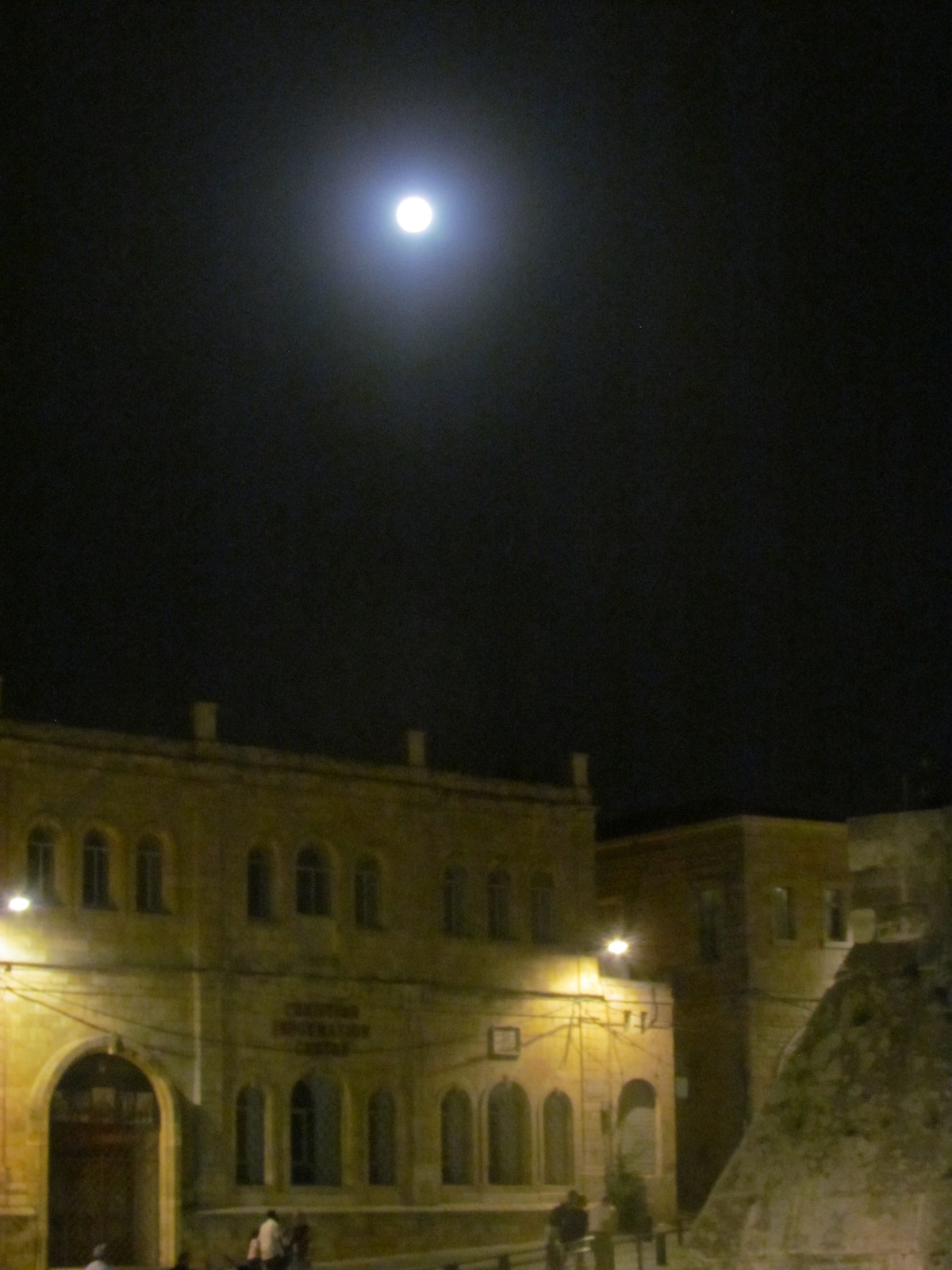
 The moon over the Old City last night

Letters, Photos, Autism And Jerusalem

I have been meaning to quote from a letter I received last week from Peyton Goddard and another from her mother, Dianne Goddard.  Peyton and Dianne Goddard wrote a book, I am intelligent, which I posted a couple of weeks ago, since then I am honored to be in communication with both of them.  Click ‘here‘ to read that post again.  I asked them for permission to quote from their letters here.  They have agreed.

This is part of an email Peyton wrote me, responding to the post I wrote about her book and labels.

“Pleasured I am pointed to hearing your understanding that lasted, large, limiting, linear labels are hulking jungles greeted by limitations. Keeping one limited is to measure there wastes of their great gifts.  One’s tears taste lime. Understares, terror builds. One washes their tears by return try freed to their Creator, as rest there they hunger. Polling my limits I kettled boiling red, as heard I’m trapped. There I wasted my lived times in pity. Limiting labels murder poignancy of sweet journey. I watered my liking to keep open living by questing for others better lives poignantly sweetened by encouraging swiping labels away. Wastes caging pertinent persons must stop. A trepid heart needs verses assuring “I’m deared by this very looking world. I can be me. My heart need caw no longer.” There joy is heard. These awesome pertinent persons can be freed to limitless. It greeted I hurrah…”

And this is part of an email from Peyton’s mother, Dianne –  

I spent much of Peyton’s first twenty years deliberating and comparing the severity of differences in persons labeled with disabilities that I met or read about. In the early years, this private, internal discussion between me, myself and I, offered some relief to my worries over Peyton’s delays and differences, as her challenges did not seem insurmountable if I therapied her enough. And professionals agreed. In the days before Internet could bring me many children to compare her levels of functionings and measured progress to, I found I could usually comfort my fearful self with observations that the few children we met with disabilities seemed to have much greater challenges than hers. A case in point was (removed the name for privacy’s sake) who was several years younger than Peyton. When talkative W. was three and not walking, he was tested. Duchene’s muscular dystrophy was diagnosed.  Debilitating muscles until death in his early twenties was the best case scenario. Pity him I did. And compare I did. While Peyton would be continuing to improve, he would be suffering a slow and sure death.

Not so. Peyton lost functioning and filled with a suffocating sadness she could not begin to shake for well over a decade. Yet W. lived happy. At his celebration of life five years ago I reflected on my foolish attempts to comfort myself by comparing the severity of challenges, and how thankful I am for new understandings of acceptance and valuing Peyton for ALL she is. Above all, I am comforted knowing she can really feel my love finally.”

The Icare4Autism Conference begins tomorrow.  More on that later.  To end, a few more photographs from our adventures in Jerusalem.

The Dome of the Rock  

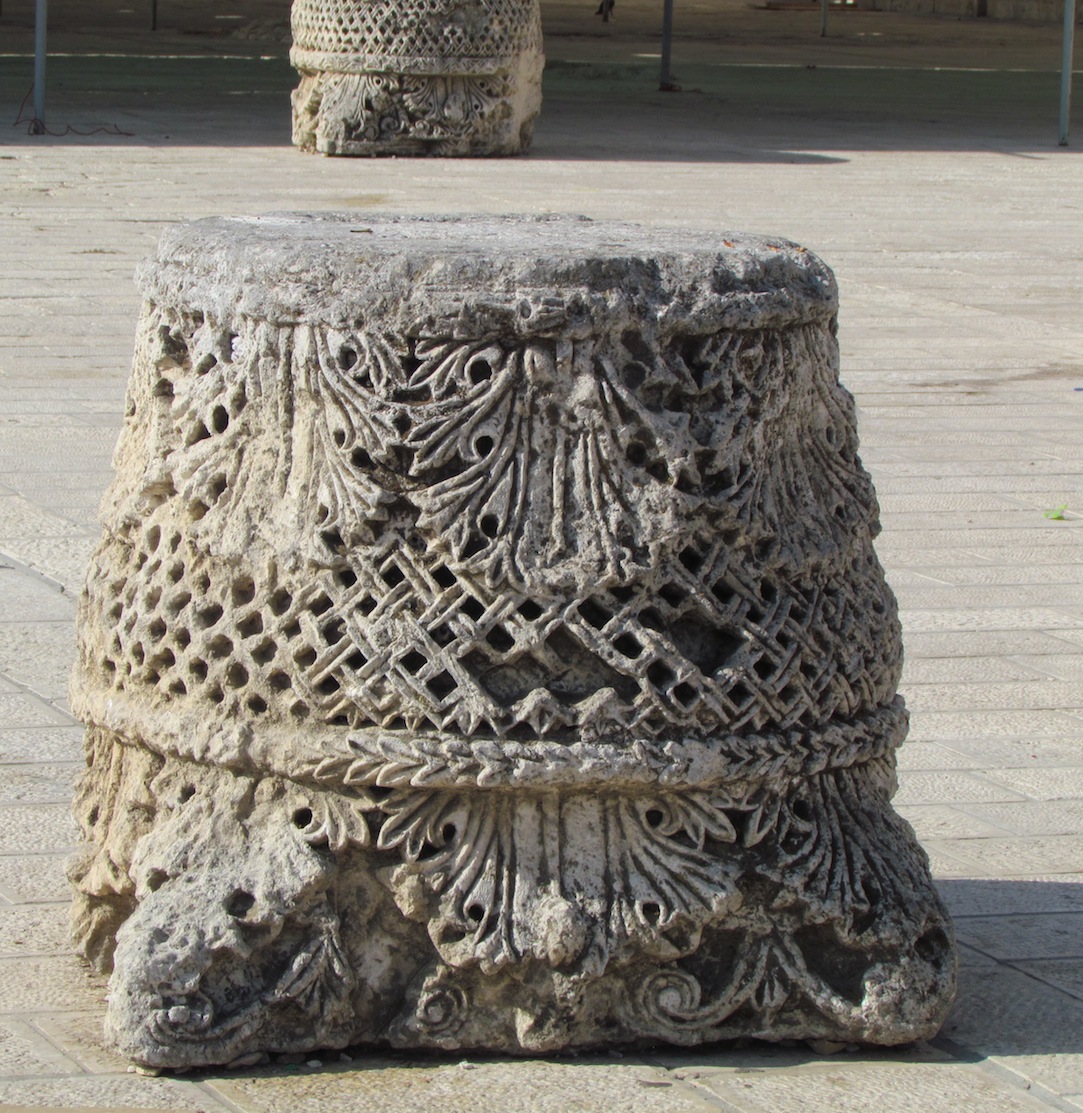
Fragment of an Ancient Column in the Courtyard of The Dome of the Rock

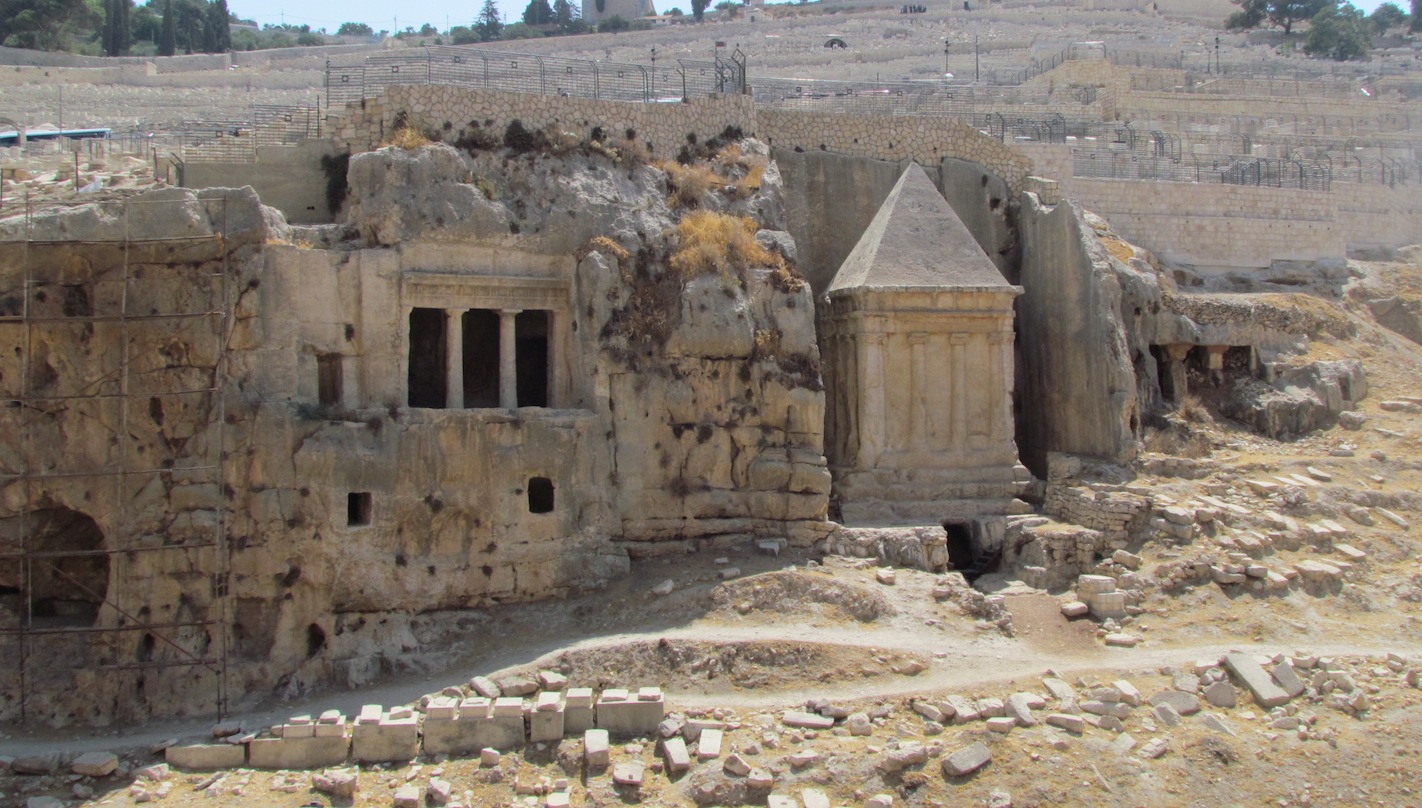
Old Tombs in Valley of Jehoshaphat

Outside Zion’s Gate in the Old City

 Related articles

Jerusalem in Photographs

Richard’s “I falafel”  joke struck back.  He spent the day sick in bed while I spent the day seeing all of this.

A day in photos…

Entrance to Church of All Nations

Mount of Olives (A massive cemetary)  As I climbed the narrow street along the cemetary, a man with a donkey appeared.

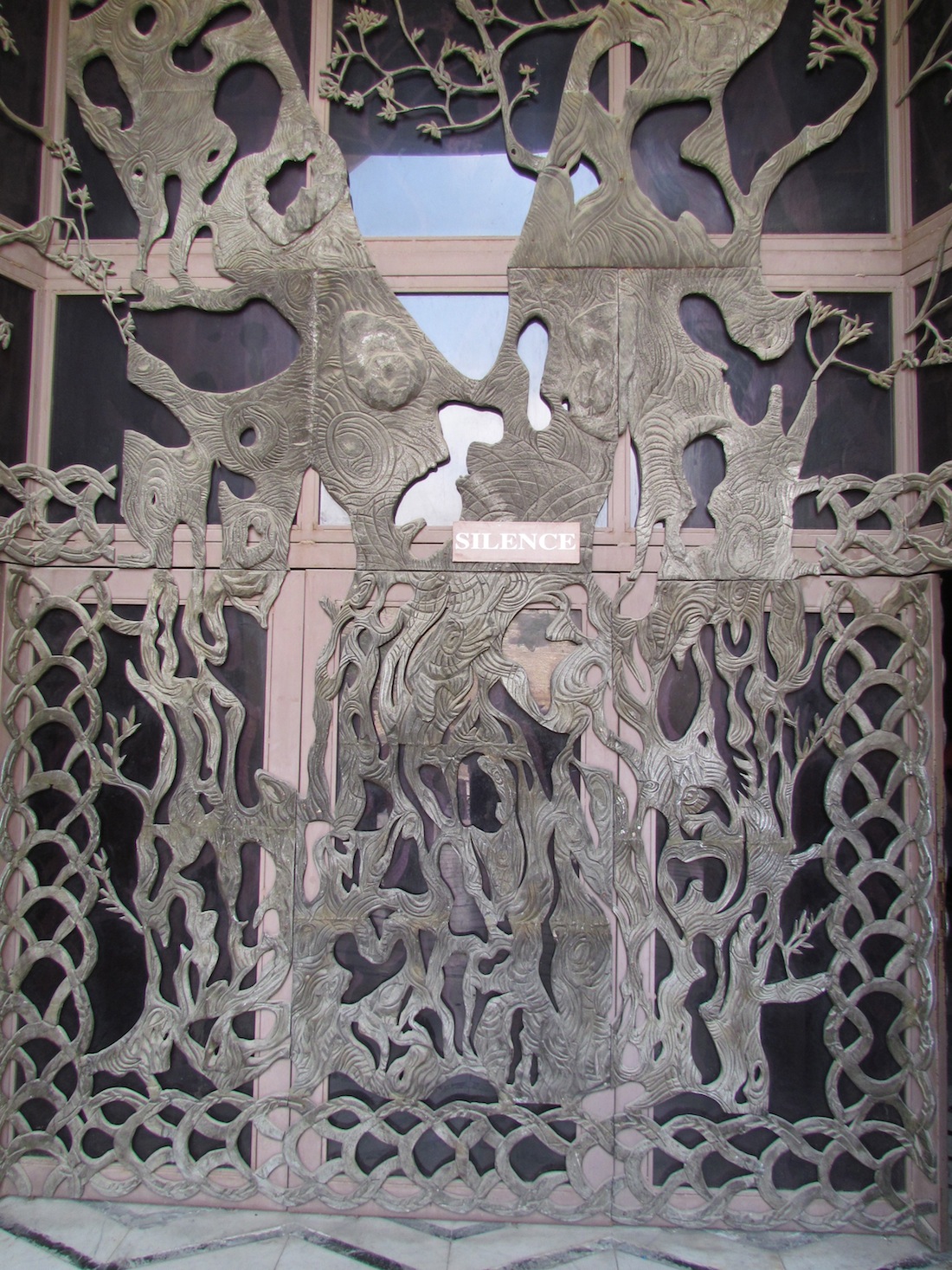
Tree of Thorns outside the Dominus Flevit Chapel

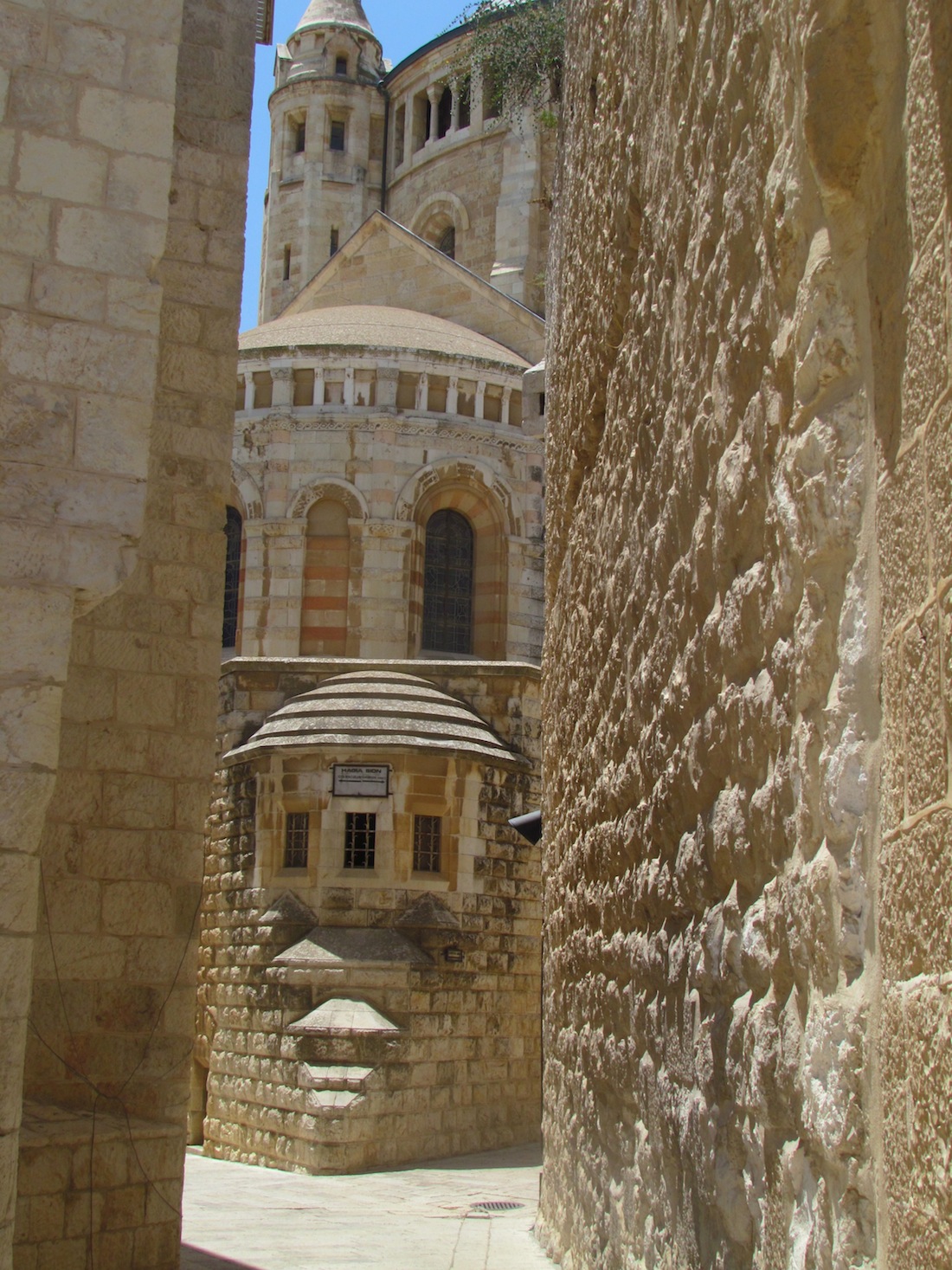
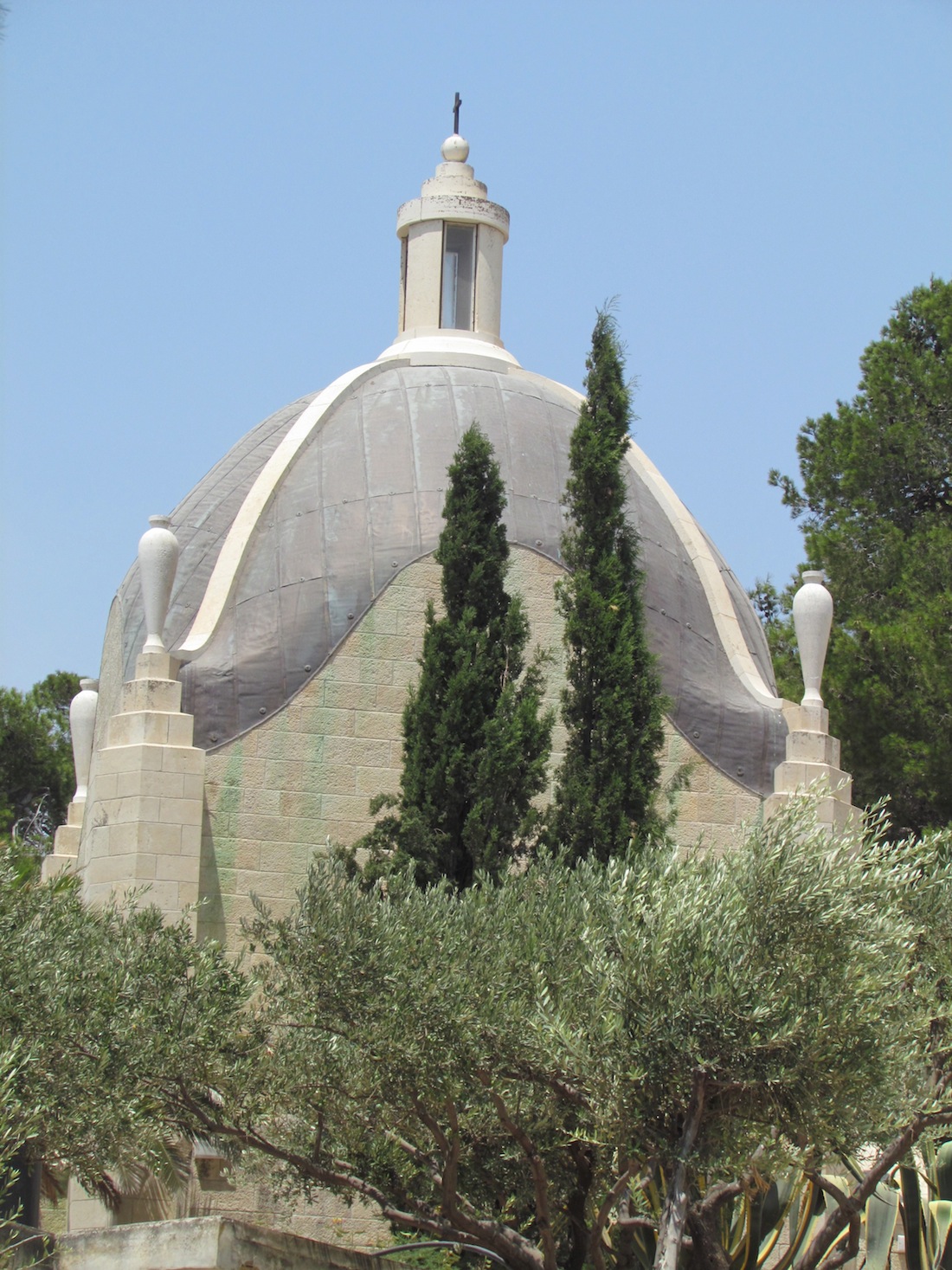
Dominus Flevit Chapel (“The Lord Wept”)  The dome designed in the shape of a tear drop as Christ was said to have sat nearby and wept over the fate of Jerusalem.  David, the nice gentleman who allowed me to come into the Chapel, despite the fact they were closed to tourists said, “You may sit here out of the hot sun while I feed my dogs.  If you like you may say a prayer.  Just don’t cry.”  To which I said, “Thank you so much.  I’ll sit right here,” I pointed to a little wooden chair.  “But I’ll save my tears for that scary looking tree you pointed out earlier.”  He laughed and left me to care for his dogs.

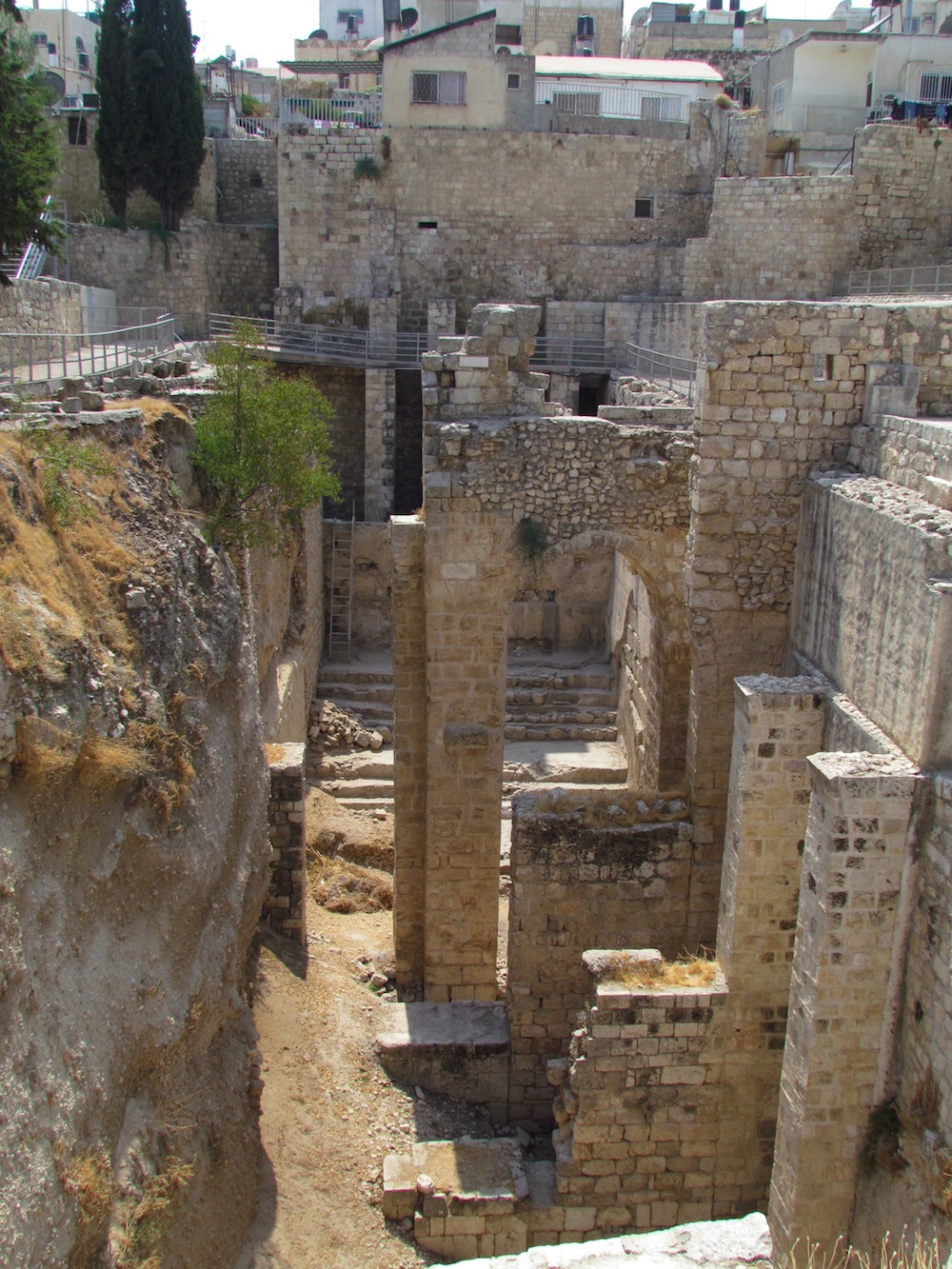
Archaeological Site in Front of St. Anne’s Church  Just to the right are stairs descending to the Pool of Bethesda where Christ is said to have carried a paralyzed man and cured him.

Kitty – A great many cats running wild in Jerusalem.  Most are pretty mangy looking, but this one was particularly cute.

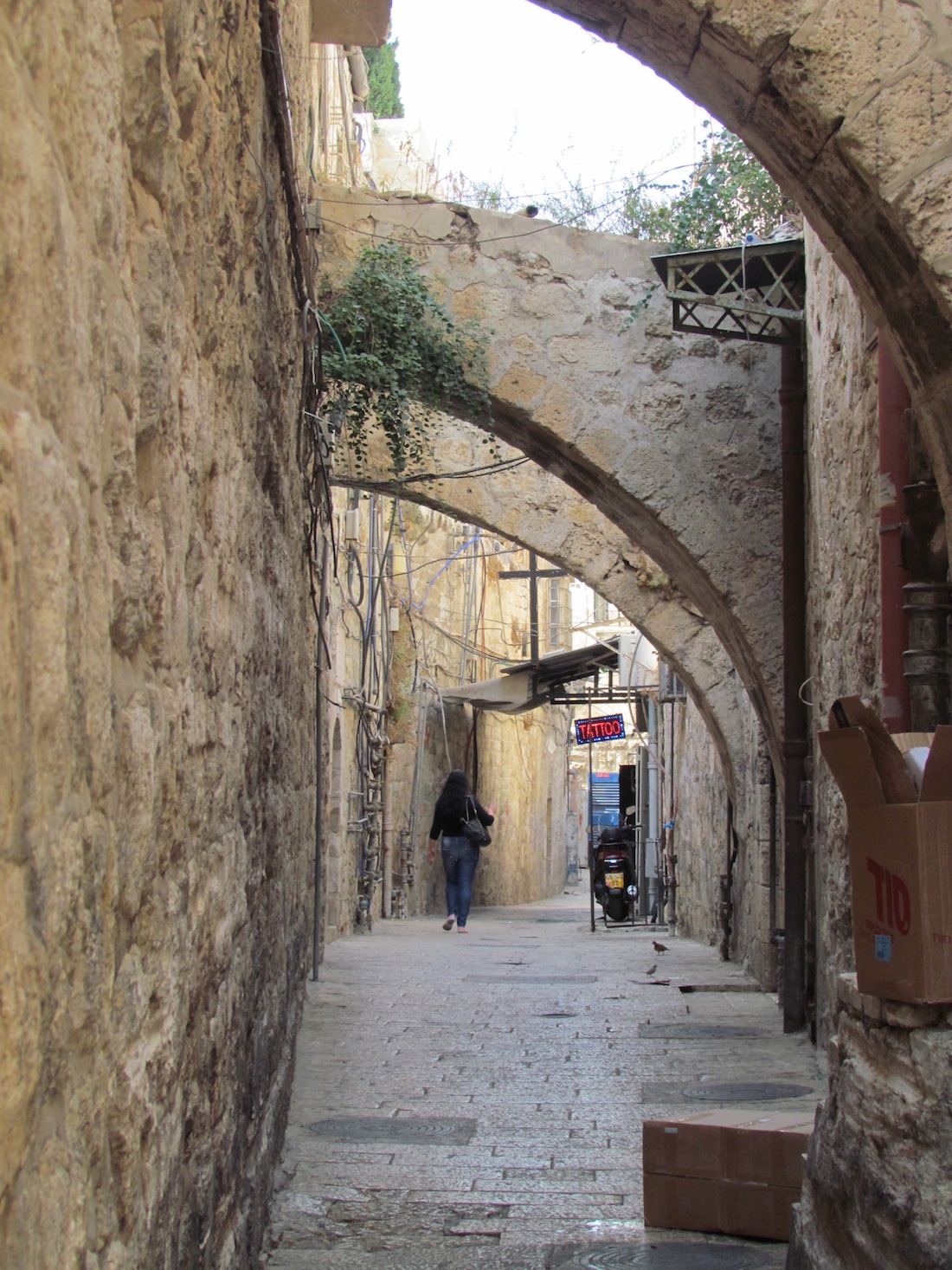
A Side Street off Via Dolorosa – Notice the red neon tattoo sign.  A perfect example of the meeting of ancient and modern

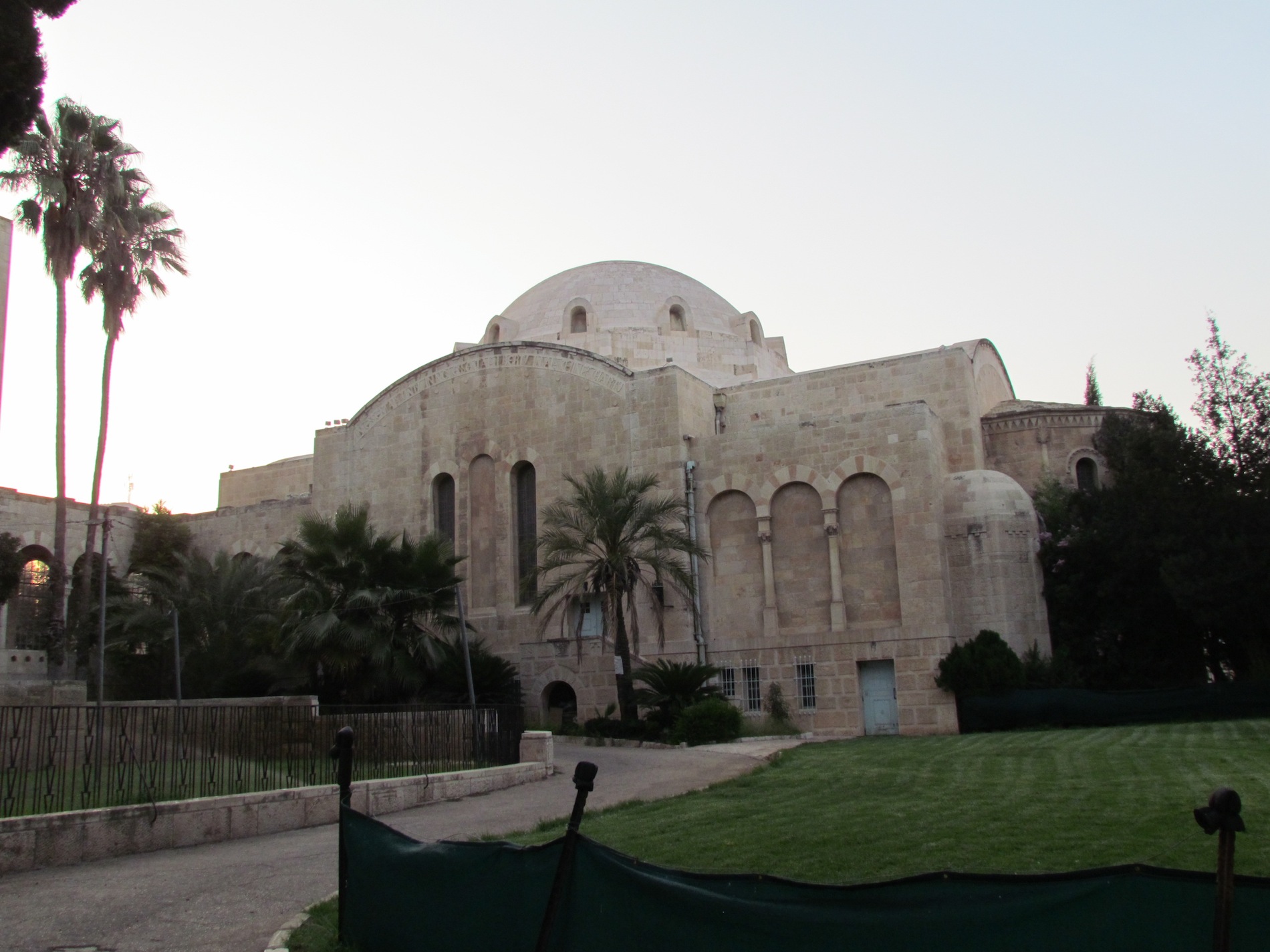
YMCA (Pronounced “imca”) Built in 1926- 1933 by the same man who created the Empire State Building, Arthur Loomis Harmon, Jerusalem’s YMCA is a wonderful example of embracing differences, working together to create something larger than any one group, religion or people.  The auditorium beneath the dome has lighting fixtures each illuminating a different image – the star of David, the cross and a crescent.

Jerusalem and Beyond

Day 1

The Citadel in the Old City of Jerusalem looking toward the Tower of David.  We kept saying to each other, “I wonder where all the people are.”  It turns out it was Shabbat and Ramadan, though that didn’t entirely answer our question.

View of The Dome of the Rock

During our explorations, we found ourselves in the Old City Market along with hundreds of Muslims, Christians, Jews and tourists speaking German, French, Italian, Spanish, Russian, English and those were only the languages I could identify.  It turns out we were on the Via Dolorosa, the path Christ is said to have taken to his crucifixion.

Mountains of Spice,

Fresh Fruits,

Baklava,

and yes, even bras, but look how colorful they are and so beautifully arranged.

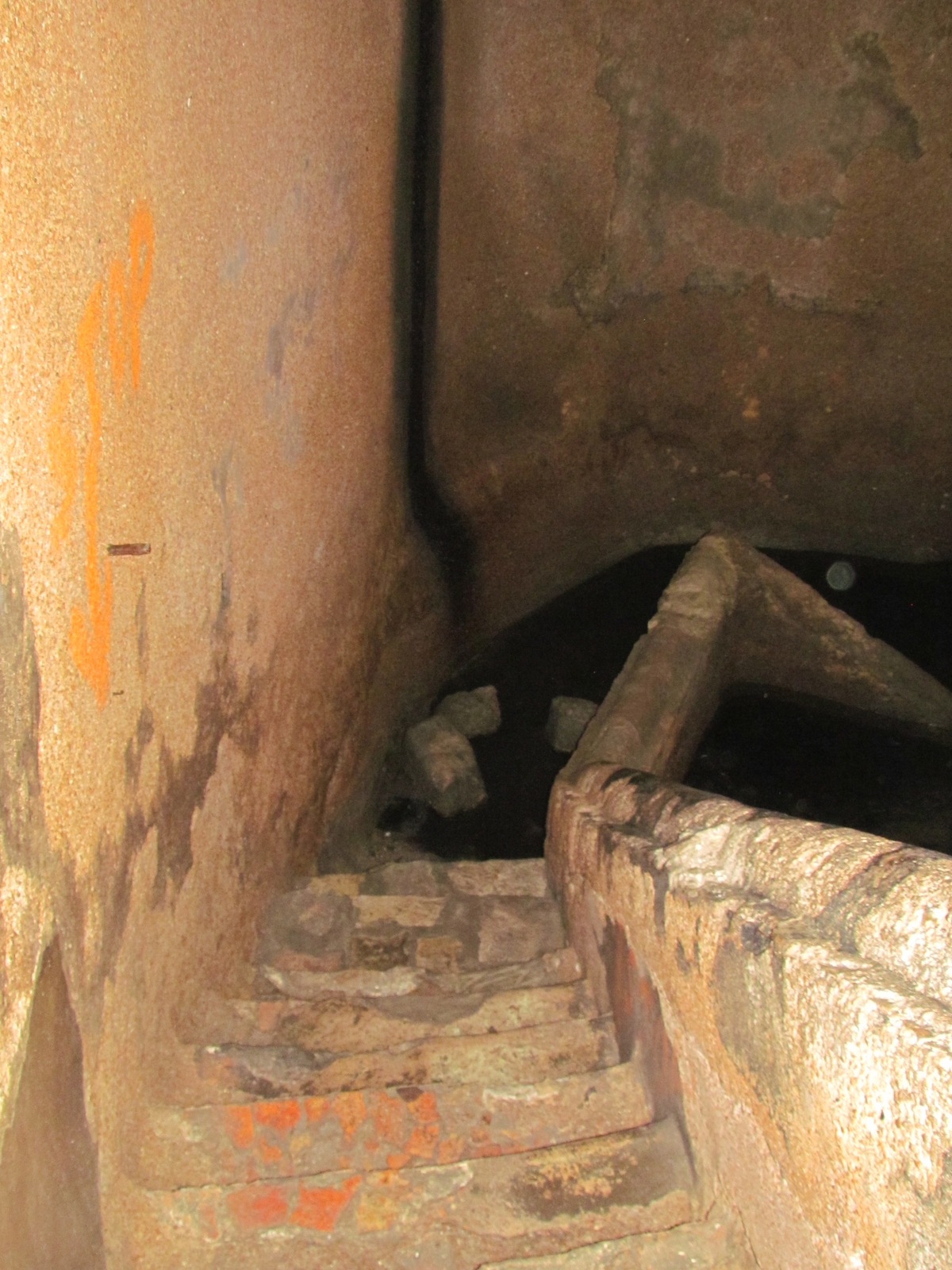
We went to the Church Of the Holy Sepulchre & The Chapel of St. Helena where we descended this…

leading to a massive cistern.  A tour guide was telling her group that the water was potable, though I remained dubious, having had too many run-ins with Giardia to last me a lifetime.

On we ventured to so many sites I’d have to pull out the guide-book to recite them all.  We sat at the entrance or was it the exit of Damascus Gate and reviewed where we were and what we still wanted to see.  We plunged back down into the depths of the market place, emerging out into the sunlight to visit the wailing wall, where I placed my hands against the giant stone slabs amidst tiny notes stuffed into its crevices, women on either side of me rocked, prayed, muttered, moaned and wept.  It was impossible not to feel the power of humility in this ancient, beautiful and complex place.

We ended the day by sitting at an outdoor café and eating falafel.

I turned to Richard as we waited for our food to arrive and said, “I’m hungry.  Do you realize we haven’t eaten anything today?”

To which he replied, “I falafel” (feel awful) before slapping his knee and doubling over in laughter at his own cleverness.

Oy.

Day 2

We spent the morning at the Holocaust Museum.  Words do not describe..  it is a powerful and painful reminder of what humans are capable of.

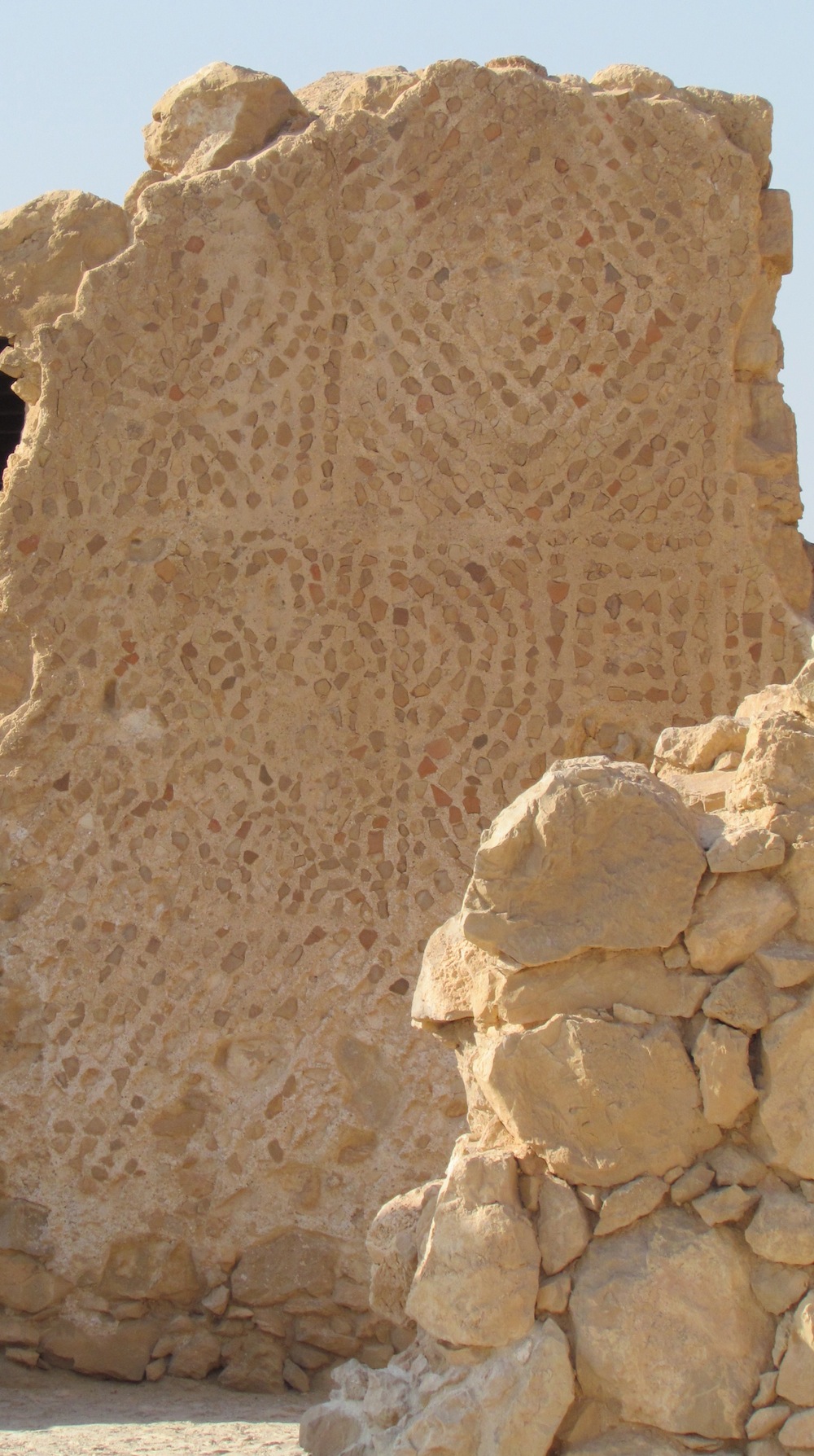
We drove to Masada where we roamed a fortress built on a barren mountaintop in a part of the world that gets barely one inch of rainfall throughout an entire year, during the 1st, possibly 2nd Century and further added to by Herod intent on making it into his “summer palace” complete with cisterns, hot baths, beautifully decorated walls where one can still see the frescoes, mosaic floors all  overlooking this expanse of arid land with the Dead Sea and Jordan just beyond.

and this wall…

On the way back to Jerusalem we drove to the Dead Sea where we swam or rather floated because of the heaviness of the salt water.

Salt encrusted rocks on the shore of the Dead Sea

Meanwhile, Jackie has sent me a daily update of Emma’s adventures while we are away.   Emma saying – “Cheese”

Parent and Child – Who Needs Who

Emma just left, bounding out the door with Joe to catch the bus that takes them  to her day camp.  “I love you Em!” I called to her retreating figure.  “Bye!” she said, not turning back to look at me.  And I stood there in the doorway watching the outer door close behind her.  The constriction in my throat, coupled with the desire to run after her, hold her tightly against me, instruct her to “wrap both arms around and squeeze,” is so strong I have to talk myself out of it.  You and Em are different in the way you express your love for each other.  There is no one way.  You know this.  Shut the door, come back inside.  It’s okay.  It’s going to be okay.  I do know this.  I know Emma loves me.  I know she will miss me.  I know she is sad and perhaps even anxious that we are leaving for seven days, the longest we have ever left her since she was born into this world.

Earlier Richard and I sat in her bedroom with her and bopped up and down to Michael Jackson’s Beat it and Billie Jean.   Emma shut her eyes as she bopped, with a broad smile on her face.  She reached over and placed one hand on my arm.  It was brief, a second or maybe two and then her hand was gone again. Five minutes before she had to go down to get her bus, she said, “Play duck, duck, goose!”  So we did.  Richard and Joe and I sitting on the floor cross-legged as Emma went around patting each of us on the head, “Raincoat, raincoat, raincoat, Umbrella!” she shouted and then raced around and around before tearing off, laughing into another part of the house, with Richard in hot pursuit.  “Okay Em.  The bus will be outside.  You have to go.  I’m going to miss you Em.”  I wrapped my arms around her as she tried to squirm  away.  The constriction in my throat tightened.  It’s okay.  It’s going to be okay.  I know.  I know.

And then she was gone.  Just like that.  Gone.  And I want to sob because it’s so hard to leave her, because I need her to know how hard it is to leave her.  I want her to know I will miss her.  I want her to understand that I am not leaving her.  I hope she knows this.  I try to tell myself that she does.

I’m five and my parents are taking a trip somewhere, I can no longer remember where.  They go once a year for a few weeks, somewhere exotic, Africa, Peru, Ireland, Japan, returning with small tokens of their travels, a kimono in white and blue cotton, a pair of gold and emerald earrings from Ireland, a hand embroidered blouse from Peru.  The gifts have strange smells of some other land, a place I do not recognize, a place I may never visit.  But those gifts are for when they return.  The anxiety I feel when they leave is indescribable.  We are left with Mrs.  Williams.  

Mrs. Williams smells like antiseptic soap and something else, I hope never to smell again.  It is a smell that makes me gag.  I hate Mrs. Williams.  She is cruel and angry.  I know she hates me.  I can sense it.  I try to steer clear of her.  I try to keep to myself.  But it is never completely possible and then the hand comes down, sure and strong, unerring in it’s aim.  My bottom burns, my head slams into the bed frame with the force of her blows.  I try not to cry.  I try to be strong.  I think of my parents, why did they leave me?  What did I do wrong?

But we are not leaving Emma with Mrs. Williams.  We are leaving Emma with Jackie, someone she loves and asks for and she will be going to camp for one last week with Joe before we return to pick her up and return to Colorado where Nic is staying with my mother.  Jackie has planned wonderful outings for the two of them and Joe will be checking in over the weekend to make sure they are fine.  I’ve left copies of our phone numbers, passport info, hotel info, travel itinerary and contact info laid out on the island in the kitchen.  I went over the next week with Emma again this morning.  As though by going over and over it my anxiety will lessen.  Em, looks away from where my finger points at the calendar.  She is looking for her bowl to fill with Cheerios.  “Uh-huh,” she says, reaching for the milk.

She’s yessing me, I think with relief.  I’ve gone over this so many times, she’s memorized it.  She looks at me for a second, it’s a fleeting glance, but she looks into my eyes as if to say, “Mom.  Seriously.  I got this.”

And she does.  I know she does.  It’s me who’s struggling.  It’s me who is grasping. It’s me who needs to be reassured.  It’s okay.  You’re going to be just fine without her.  It’s okay.

Emma demanding that Richard come closer so that she can…

spray him with water from the seal!

Richard and Em, both soaking wet walking home last night