Tag Archives: autism spectrum

Autism = A Human Rights Issue

Sometimes I read something and I am completely overwhelmed by the weight and content of the words.  Yesterday I read this – written by Kate.  It’s entitled Scarred.   It was posted on The Thinking Person’s Guide to Autism.  I am including just the first few sentences.  Please click on the link to read it in it’s entirety.  This piece needs to be read – by every parent, every school, every “specialist,” every researcher, everyone and anyone who every comes into contact with anyone, ever, on the spectrum.

“Scarred

Kate

We are scarred, we adults on the spectrum.

We are scarred, both inside and out.

Our lives are twisted paths littered with diagnoses. We have fought for years to get to where we are now, and still it isn’t good enough. 

We are scarred.” 

Autism is a human rights issue.  We must begin thinking of it this way.  We are condemning a group of people, treating them worse than we treat convicted felons, murderers, rapists, psychopaths.  We must stop.  We must stop the way we think about Autism.  We must stop the way we think of Autistics.  We must stop oversimplifying, we must stop applying our Neurotypical thought processes to Autistic people.  We must stop with our assumptions.  And the only way we are going to stop is by LISTENING!  We must, every single one of us, listen to those on the spectrum who are communicating and we must put aside our “but my child can’t talk, therefore this person isn’t like my child” or “this person must be high functioning and therefore doesn’t know what it’s like for me and my child” or “my child is in diapers and is nonverbal and therefore this other Autistic person has nothing of any importance to say to me”  or “I can’t hear this person, they’re too angry.”

We must stop speaking for Autistics.  We must stop arguing about semantics.  We must stop and hear the pain our misinformation and misperceptions are causing.  We must stop and listen.  Listen to what we, as a society, are doing.  Listen to what Kate and so many others are saying.  A group of people are being abused, shamed, yelled at, blamed, talked about, treated with contempt by schools, specialists, doctors, teachers, organizations carrying the word “autism” in it’s name, parents, siblings, cousins, society, the world.  We are arguing over wording.  We are bristling at the word Neurodiversity, we are shouting at one another, but shouldn’t we start listening to those who we are all supposedly wanting to help?  Isn’t it condescending of us to pretend to care about autism and yet make excuses as to why what so many of them are saying shouldn’t be listened to?  I hear people say, well that person is too angry, therefore, what?  Therefore their voice is invalid?  Really? Do we really believe that when  someone is saying something we agree with and want to hear?  Isn’t it that we don’t like it when someone is saying something that goes against what we think or believe?

Can we all try harder to look at what we’re doing when we try to silence those who are speaking out.  Do you think so many would be so angry if they felt they were being heard, that what they had to say was having an impact?  Hasn’t every movement had voices of anger as well as those who tried to be civil?   Don’t we need both?  Do you think they would be shouting if they didn’t feel ignored, condemned, brutalized?  Many Autistics are angry?  Yes.  Why wouldn’t they be?

Autism is a human rights issue that has been sadly overlooked.  That has to change.

It must.

I know, I know.  I just went on a rant.  I’m taking a deep breath…  

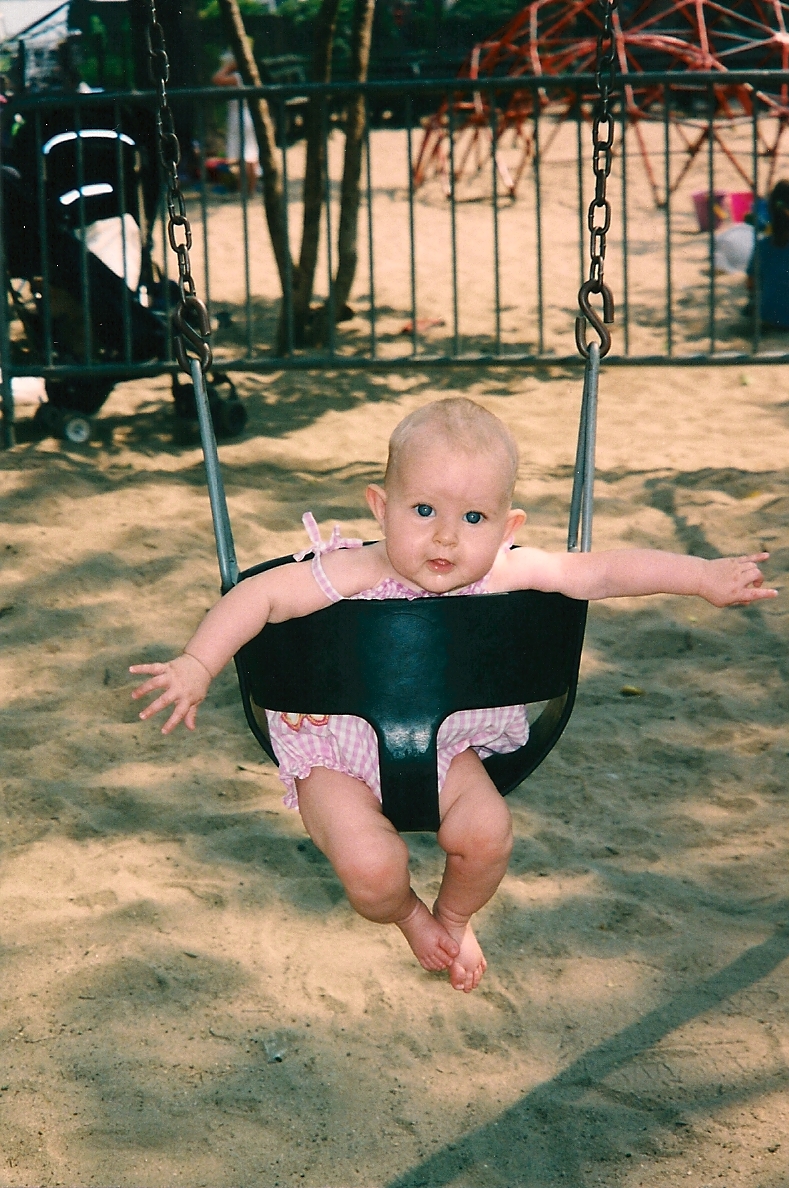
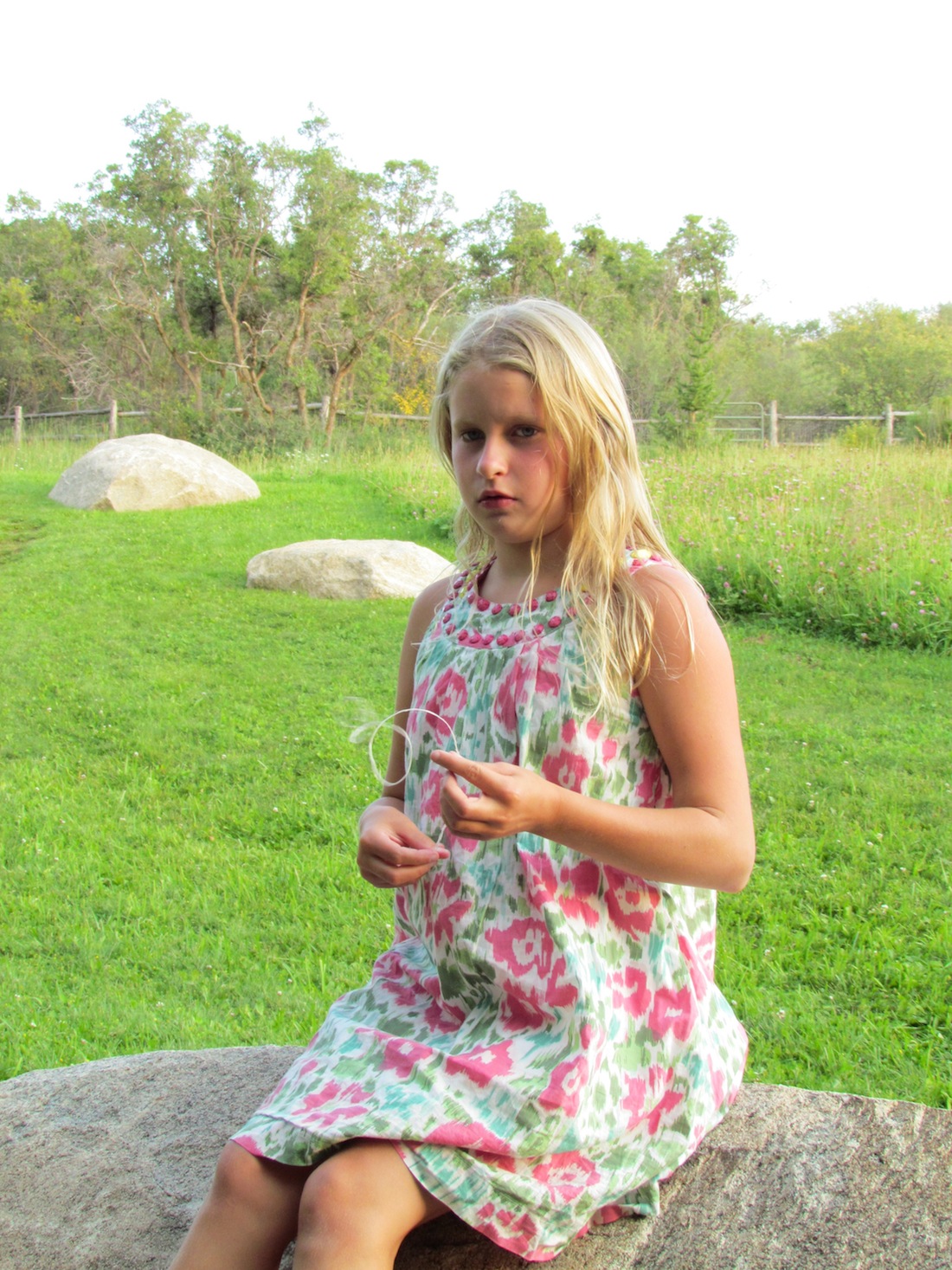
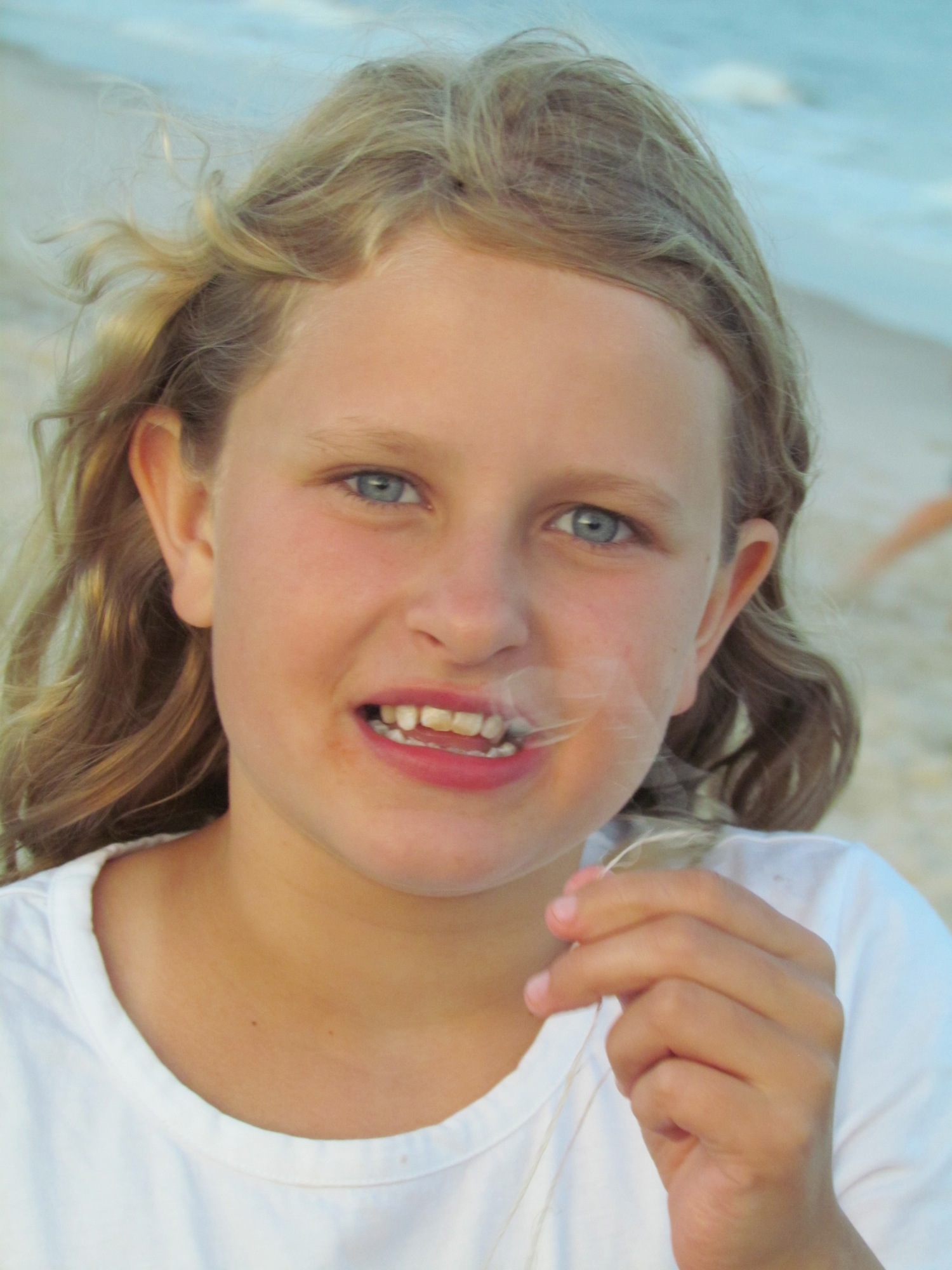
Autism can look like this… (2002)

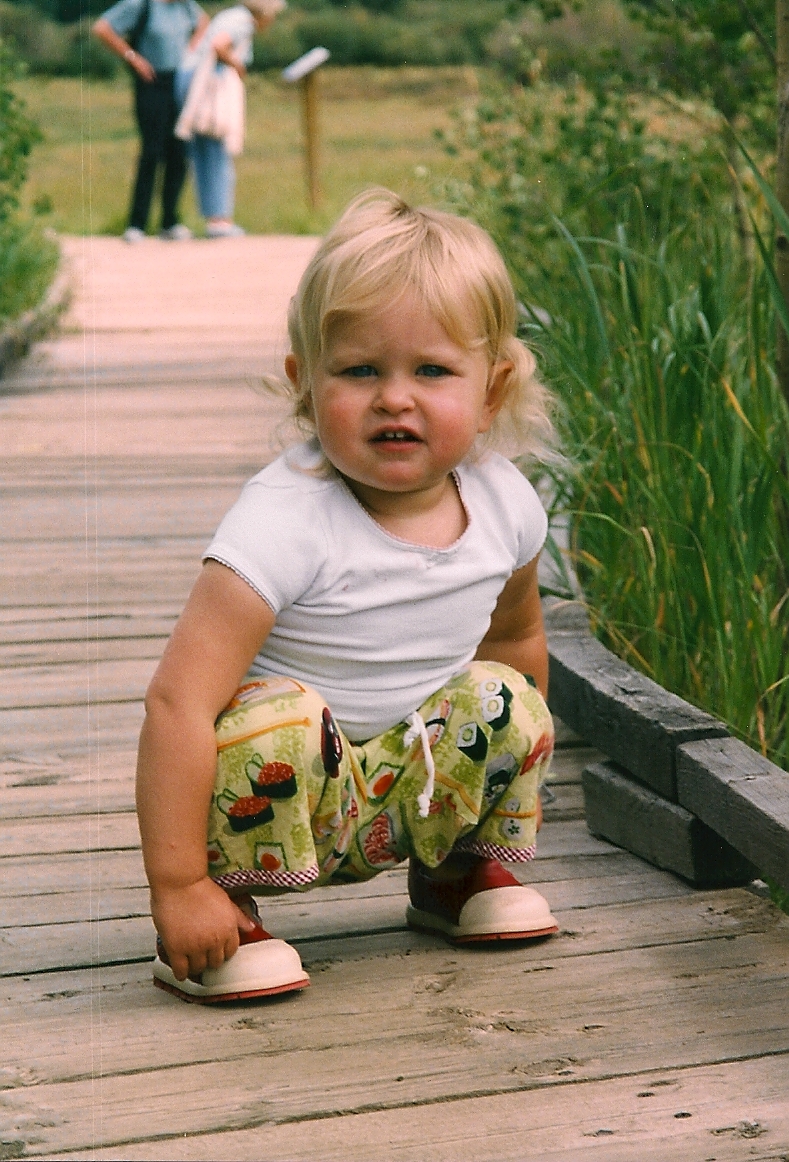
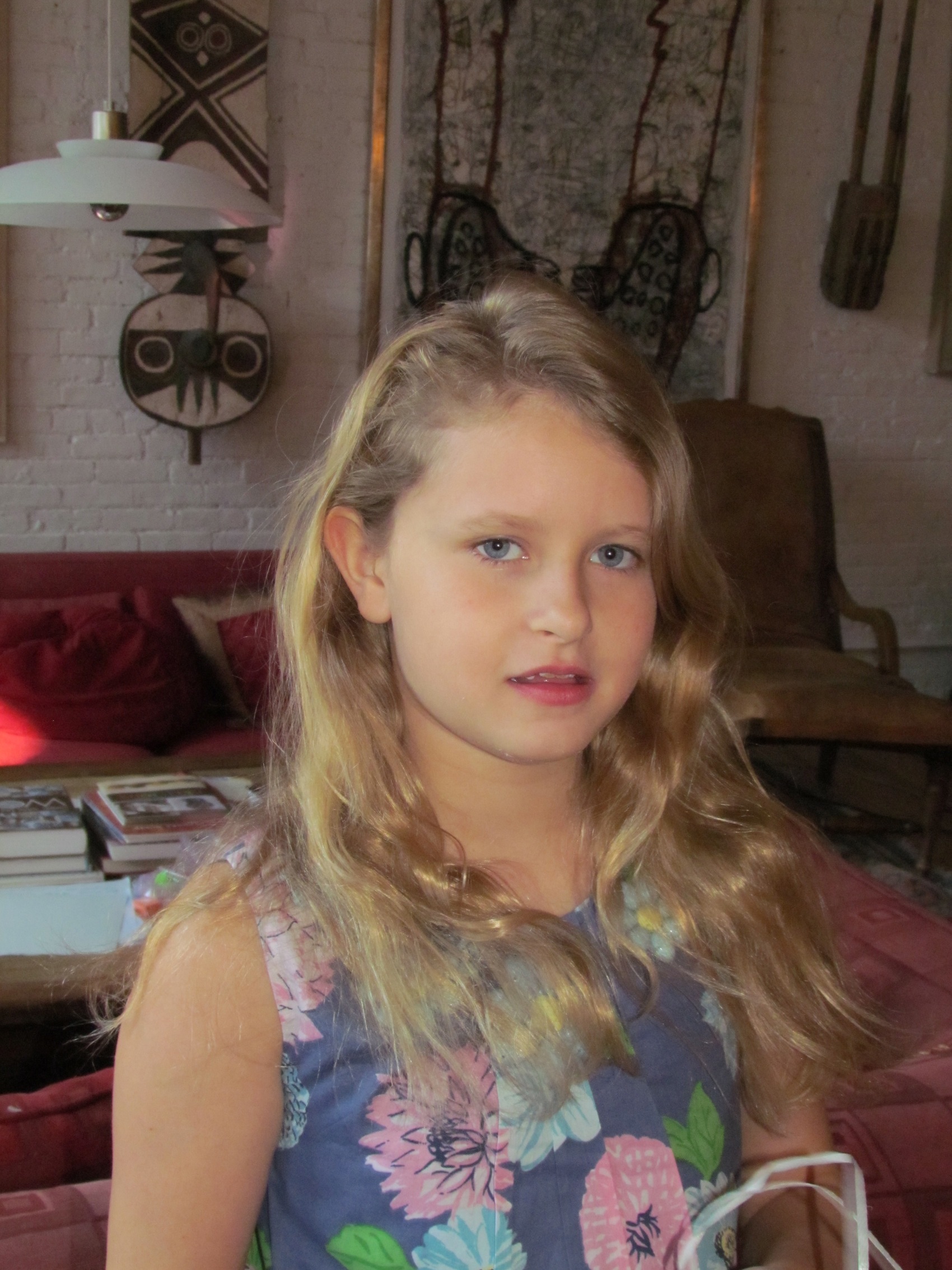
and like this… (2003)

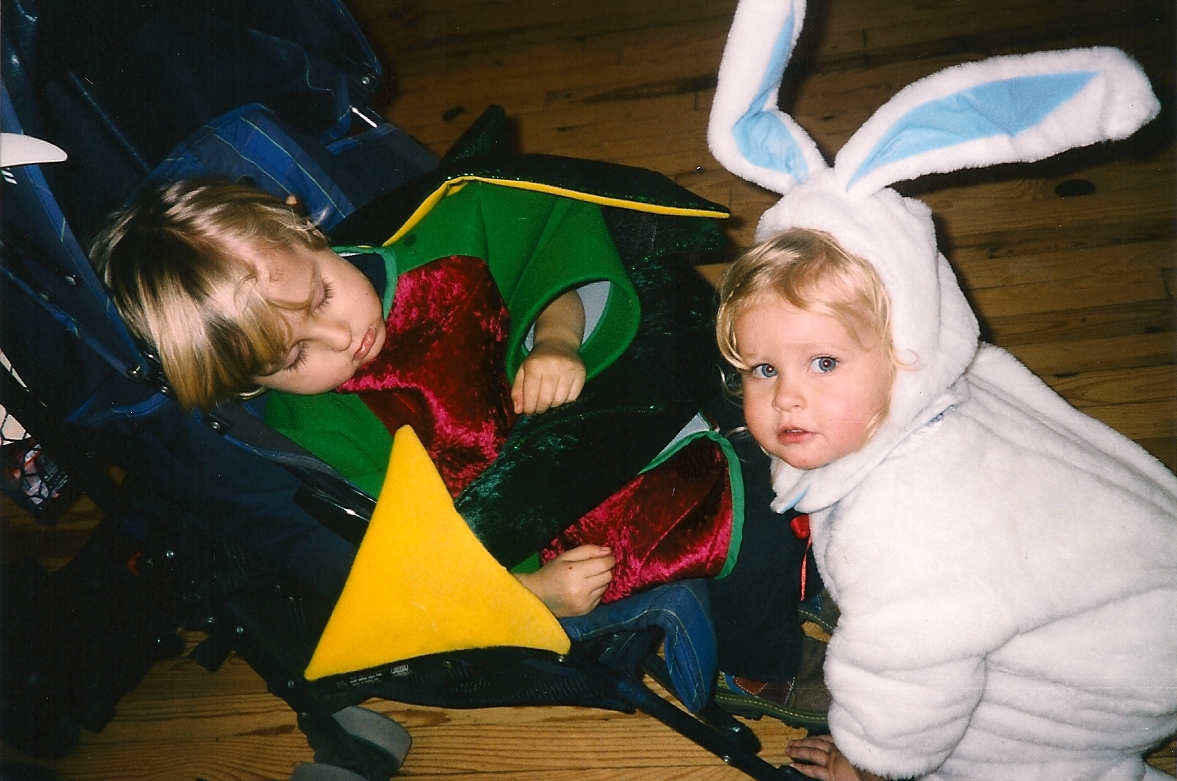
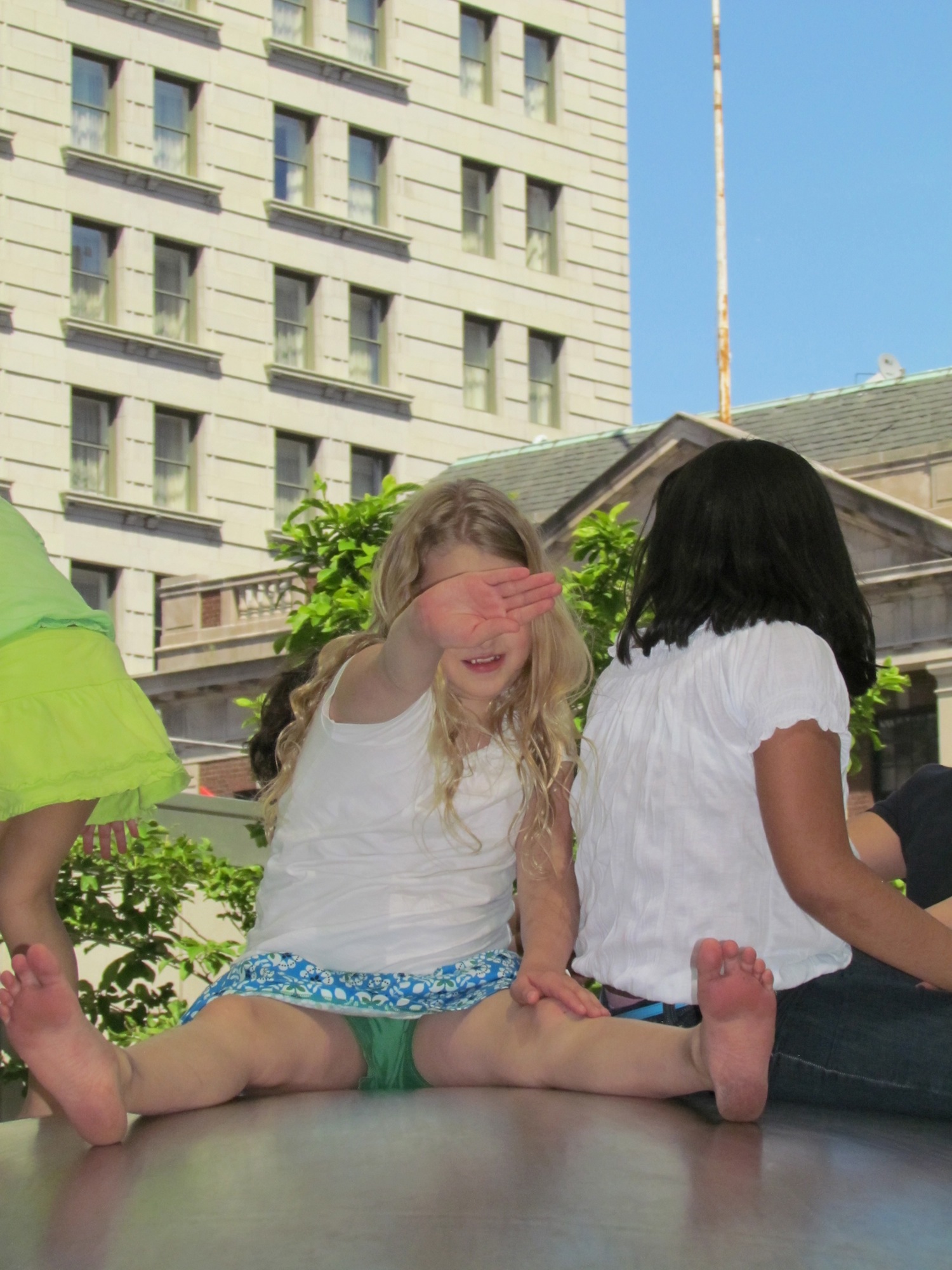
and this… (2004)

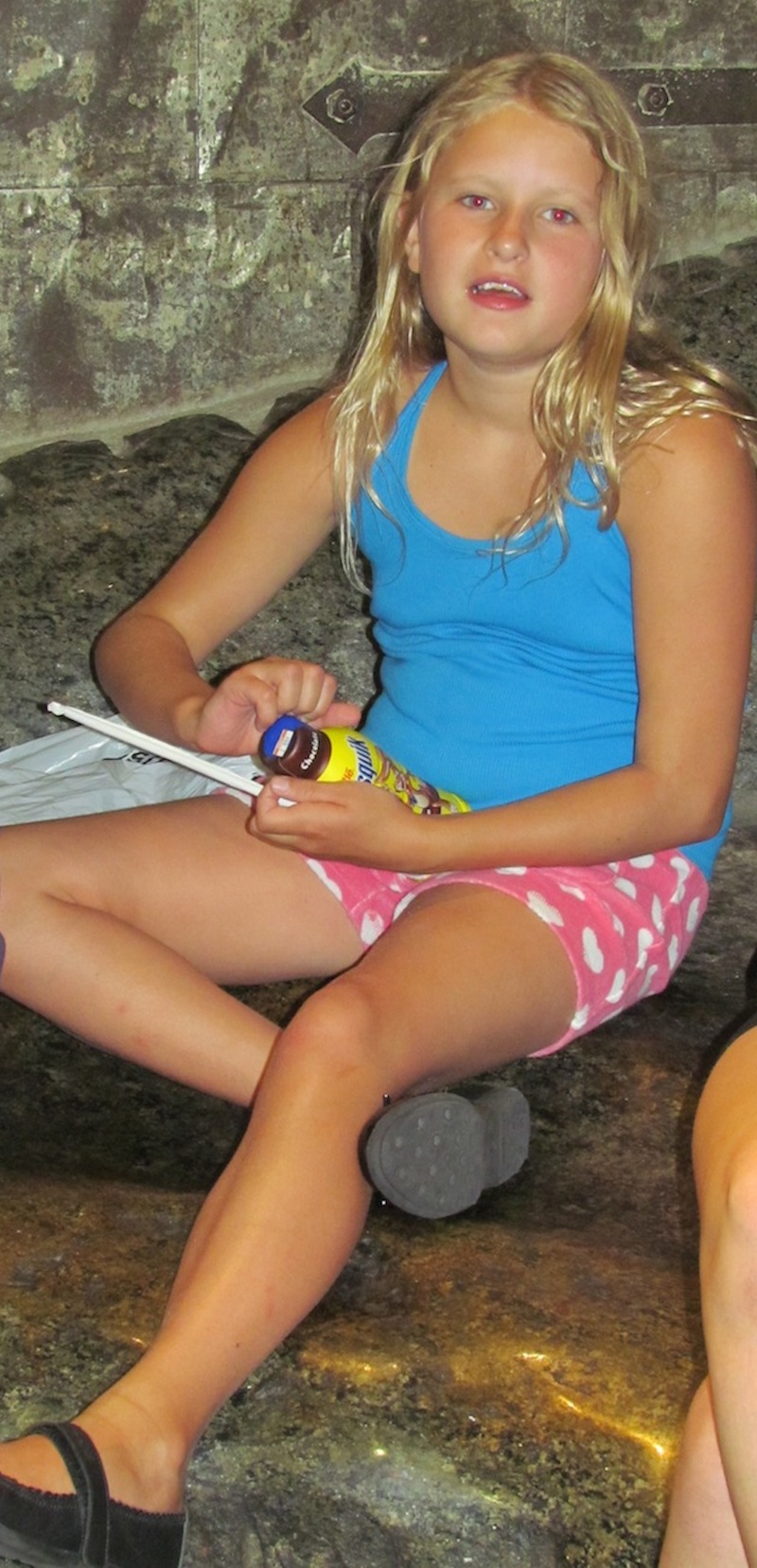
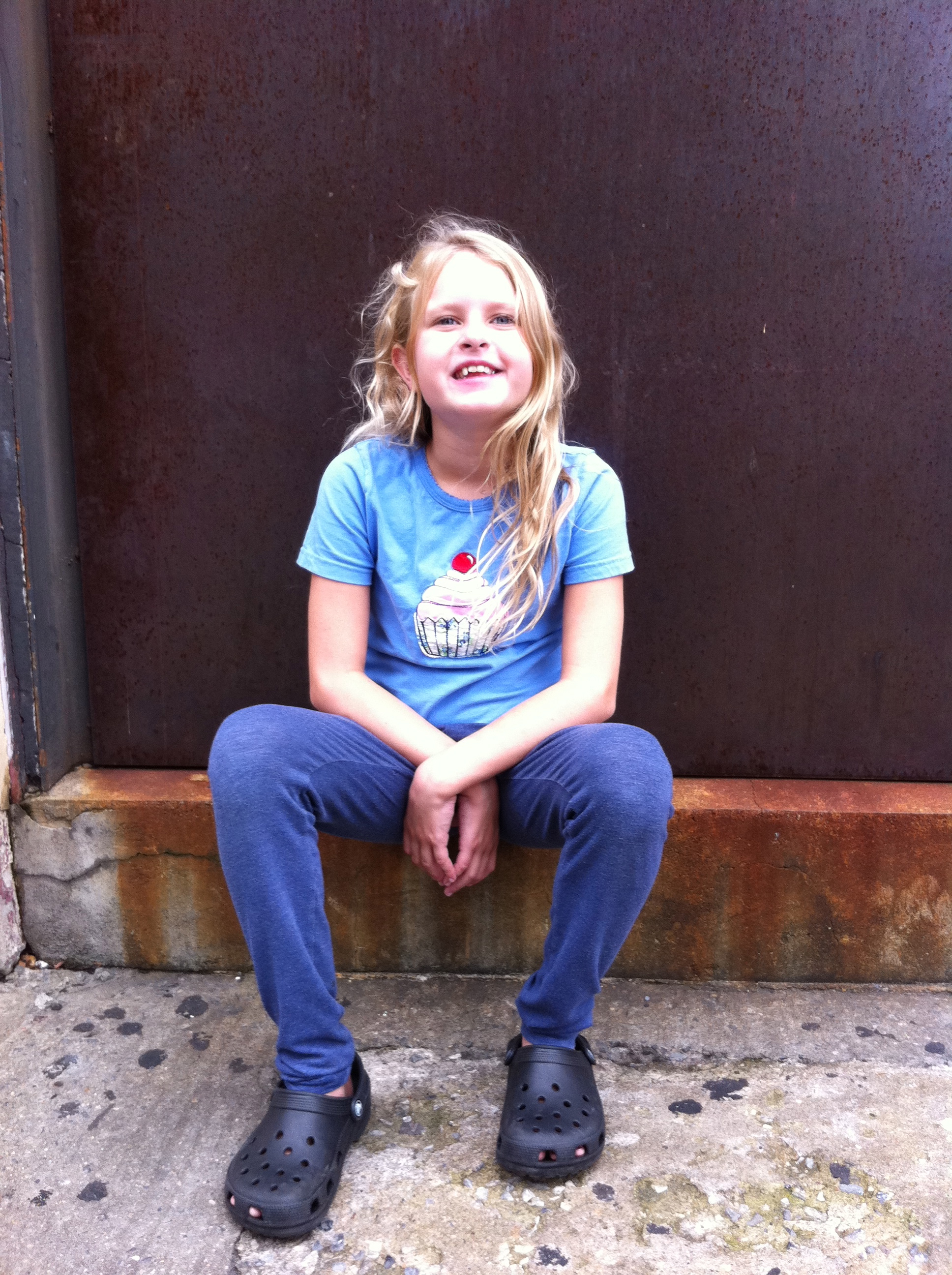
and this, too… (2012)

Related articles

There is Always Hope, Sometimes It’s Hard To Find

Sometimes I feel completely inadequate in the face of our society’s insanity.  Sometimes I wish I weren’t a part of the human race.  Sometimes I feel so much rage at all that’s WRONG with the world, with the mess we’ve made of our planet and each other.  Sometimes I just want to go live in a cave in some part of the world that isn’t inhabited by other people, just me, my husband, my children and a few select others.  I want to build a new world, a new community, a new set of societal rules where minority doesn’t equal less.  Where prejudices weren’t tolerated, where people helped each other without expectations of what they would get in return.  A place where people understood that the reward in helping and being of service to our fellow human beings was in the act of doing and not in the form of monetary gain, gold medals, our names engraved on plaques or statues carved in our likeness.

I spent most of my twenties and half of my thirties in hiding.  I hid inside my eating disorder.  I drank more alcohol than my body could cope with, I smoked cigarettes, I took drugs, I did anything I could NOT to be present.  Even in those moments when I did manage to show up, I wasn’t really present.  Not completely.  Not really.  I was angry and hated how angry I was.  I was depressed and hated how depressed I was.  I couldn’t face any of it, for so many years, I just couldn’t.  Eventually I became suicidal.  I couldn’t stand the feelings any more.  I was filled with so much rage, I turned it inward and thought the answer was to kill myself.  I remember I fantasized about driving to a state where I could buy a gun.  That was how I wanted it all to end.  I would blow my brains out.  I was seeing a therapist and when I admitted this to him he said, “You have to go to a 12 step program.   You have to find people who are struggling with an eating disorder just as you are.”  When I told him all the reasons why this was not a possibility he leaned forward and said, “What have you got to lose?”  I will never forget that.  I will never forget how he looked at me.  I will never forget the feeling I had when he said those words – “What have you got to lose?”

So I went.  And I hated it.  A bunch of obese people, a couple of anorexics and an assortment of others sitting around talking about how they couldn’t stop eating or starving or obsessing.  I was horrified.  How had I ended up here?  Wasn’t I different?  Wasn’t I better than this?  I remember I looked around that circle of people in that dingy room lit with strands of donated christmas lights, despite the fact that it was March, and the signs with various slogans plastered on the wall – “We came for the vanity and stayed for the sanity”  and “One Day At a Time”  and “Progress not perfection” and I thought to myself, I have entered hell.  This is not what I want.  This is not where I want to be.  I am not one of these people.  I am BETTER than them.  I don’t NEED to be here.

But I stayed.  Because really, where else was I going to go?  I knew what lay outside the door of those rooms.  I knew, left to my own devices, I would binge and puke and rage and cry and binge and puke.  I knew the cycle, I’d been doing it for more than twenty years.  So I kept going to the “meetings” and I bought the literature and people gave me little notes with their phone numbers and hearts on them that I’d promptly throw away, but they kept giving me more notes with more little hearts and more phone numbers and eventually, eventually I called one of these people and they took the time to talk to me.  There were the steps, each one mapped out a way of behaving that was different from the way I lived my life, so I began doing them, never once thinking that those “steps” would become a way to live my life more than a decade later.  There was a great deal of talk about taking the next right action, staying in the present, taking things slowly, changing ingrained behaviors and being of service.  There was talk of “god” and again I felt there was no hope for me.  How could there be?  I didn’t believe.

I have never believed in god, I’ve tried, I just don’t, but I do have faith.  I have faith in human being’s ability to do great things if we are shown how.   Some of us need more help than others.  I’m one of them.  I needed a great deal of patience, support and help.  I needed to have my hand held by those who had once been where I was.  I needed others to show me the way.  I needed to hear about their struggles, I needed to know that I wasn’t alone.

When Emma was diagnosed, I had a road map, instructing me, helping me.  All those meetings spent in dingy basements without heat in the winter or air conditioning in the summer had shown me another way.  I knew, if nothing else, I had to keep showing up.  There were days I didn’t want to.  I’ve done a great number of things I wish I could take back.  I’ve made countless mistakes.  But I know, I know with all my being that hiding, that not showing up, isn’t an option.  So I research, I read, I reach out to Autistics, I listen, I ask questions and I try to learn everything I can so that I can better understand and help my daughter.  In helping my daughter, I am helping myself.  I am helping myself become a better human being.  There are mornings when I wake up and think, What the hell am I doing?  I don’t know how to do this.  I don’t know what the right decision is.  Is this the right school?  Is this the best therapy?   Does she understand?  What would she say if she could communicate her thoughts?  What would she tell me?  

Much of the time I don’t know.  What I do know is that the basic principles and actions that got me free from the grip of my eating disorder are the same actions and principles that help me parent both my children.  Be honest.  Find safe people to talk to.  Have the willingness to show up.  Be present.  Reach out to others.  Ask questions.  Listen.  Really listen.  If I’m overwhelmed, acknowledge that.  Take a break.  Sometimes doing nothing is better than doing something.  But the thing that helps me more than anything else (I know I’ve said this so many times) is to be in conversation with Autistics.  When I am feeling sad or confused, or overwhelmed, or have questions, I reach out to my Autistic friends.  And even when they don’t know the answer to my question, they remind me of what’s possible.  They remind me that my neurotypical take on my daughter is often incorrect.  They remind me of all the misinformation out there.  They remind me of what is important.

So for any of you reading this who are despairing, who feel it’s hopeless, that the divide between your child and you is too great, know this:  There are hundreds and hundreds of verbal and nonverbal Autistic adults who are blogging, on Facebook, on Twitter, they are talking, they are asking to be heard, they are asking to be respected, they are asking for the same rights as any other human being, they are asking to be treated as you would want to be treated.  Reach out to them.  Google, read books, read blogs, get on Twitter and Facebook, do the research, ask questions, make comments.  If you’re suicidal or feeling you can no longer cope, get help.  Get support.  There are a great many organizations like 12-step programs that do not cost anything, but rely solely on donations given voluntarily.  Find the people whose voices resonate and then find more.  Because really, what have you got to lose?

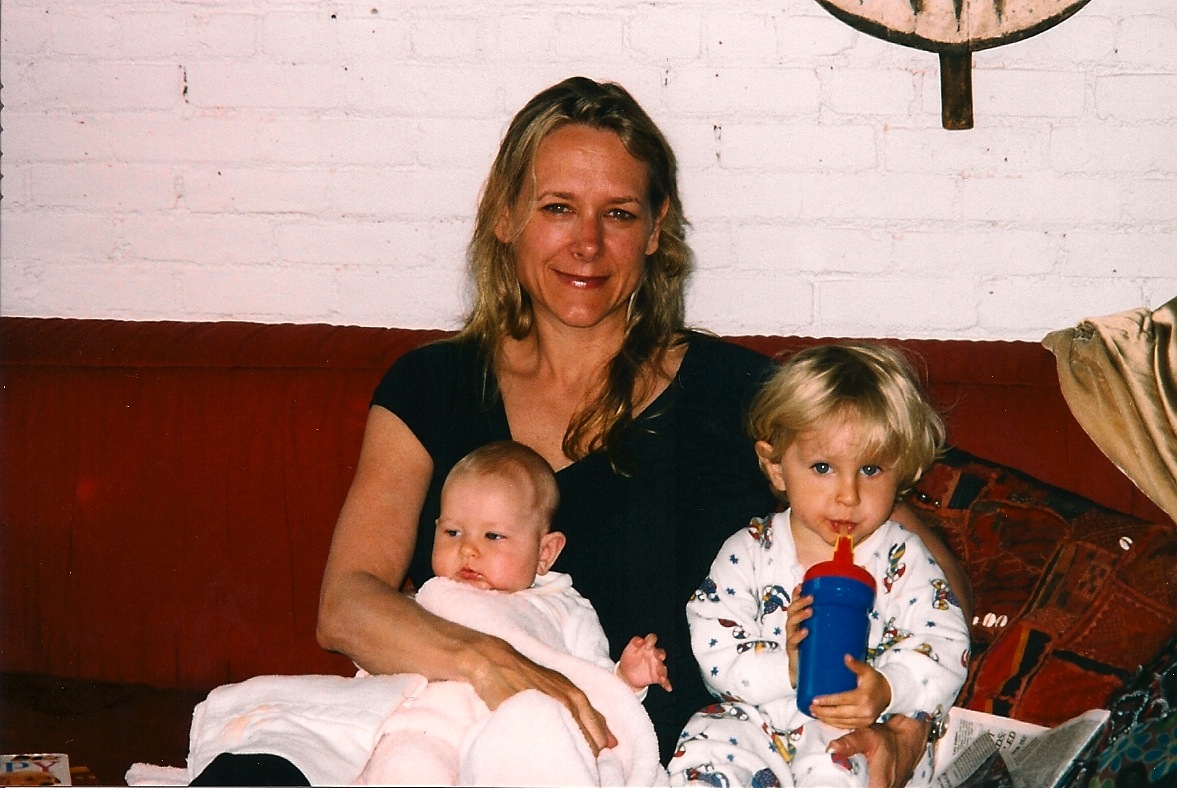
2002 – Me with Em and Nic
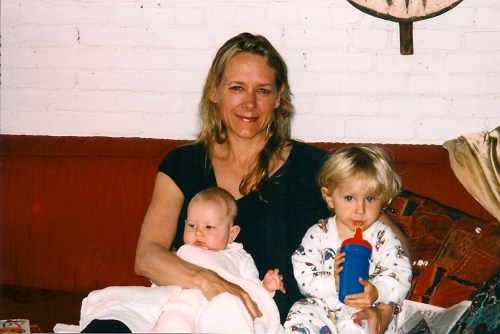
It’s My Birthday and I’ll Laugh if I Want To

Saturday was my birthday.  I’m 52.  Or as my twelve-year-old son said to his younger cousin last night, “Do you understand how old she is?”  A look of confusion lingered on his cousin’s face.  Then, apparently tiring of her lack of response, Nic said in a grave tone, “She’s fifty-two.” There was a moment of silence and then to be sure he’d left no room for error he added, “Fifty two years old.”   His cousin looked at me with raised eyebrows and what I imagined to be a new-found appreciation or maybe it was horror, it’s impossible to know what an eight year old, having been given this sort of news, might think.

I figure I’m at the halfway point, though my husband would say I’m being unrealistic as he fully intends to live… forever.  Yeah, you read that right.  As in eternity.  I’m not as optimistic.  However, I like the idea of having reached the halfway mark, forget that I felt I was at the halfway point last year and the year before and the year before that too…  But let’s just say I’m right, that would mean I’ve got another 52 years ahead of me.  And I don’t know about you, but I fully intend to make good use of them!  Because the first 35 or so I kind of made a mess of.  There’s good reason I have a 12-year-old and 10-year-old when many of my same age friends have children graduating from high school and college.  Don’t get me wrong, I’m grateful for my past, I’ve learned a great deal.  I just wouldn’t want to do any of it over again.  I really like being 52.  I like being where I now find myself.  But mostly I really like my life.  

Birthdays are a time of celebration, but more than anything they’re a milestone of how far we’ve come.  At least that’s how I like to think of them.  I’ve come far in 52 years, but this last year has been more significant than any other year to date.  It has been within the last year that I have completely changed how I see my daughter.  And that change has unexpectedly altered my view of the world and my life.  I don’t know that any other single thing has changed my thinking and views of life and the world as quickly, dramatically or completely.  There have certainly been milestones – getting help for my eating disorder, stopping my bulimia and anorexia and getting sober are two examples of significant change.  And while the actual stopping of an action happens in a single moment, real change occurs over many such moments, repeated over and over.  The larger changes that take place as a result of those repeated actions or inactions can take years to recognize.  It is, as they say, a slow recovery.

My introduction into the world Autistics inhabit and talk about, was swift, abrupt and in many ways, more life altering than anything I’ve ever experienced.   I am still reeling from the force with which this knowledge has transformed my life and the lives of my immediate family.  As a result, I have never been so happy.  I have never felt so hopeful.  I have never been so sure we are on the right path.  I have never enjoyed my family as much as I do now.  Most surprisingly, my happiness is not because Emma has become a “normal” child.  On the contrary, my happiness is, in large part, because she is not.  I view her with wonder, without judgement and an open mind.  I have learned to see her as neurologically different, not wrong or broken or in need of fixing.

I no longer speak of Emma as though she cannot hear me or understand me.  When she doesn’t answer or walks away when I’m talking to her I no longer assume she’s not interested in what I have to say.  I have learned to examine all of my assumptions.  I have learned to question everything, and I mean literally everything I think or think I know.  At my friend Ib’s urging I’ve begun reading Autism and the Myth of the Person Alone by Douglas Biklen.  This book, like so many that I’ve read in recent months, throws everything we neurotypicals think and say about autism and Autistics out the window.  Judy Endow, just posted a terrific piece entitled, Seeing Beyond My Autism Diagnosis.  She talks about the lens through which NTs view Autistics and writes:  “Stereotypical views of autism are based on the neurotypical (NT) assignment of “truth” as they look at us.”

One of the greatest gifts I’ve received this past year is the joy that has come with  questioning my “truth” when it comes to Emma.  In questioning it I have found my sense of humor.  It never entirely left me, more like it had been tamped down by stress and worry.  To laugh, to really feel the absurdity of situations that used to cause me tremendous upset and concern, to feel the carefree pleasure of being with my family and enjoying them…  this is the life I had always hoped for, but felt would never be mine.

Yeah.  I turned fifty-two on Saturday and I’ve never been happier.

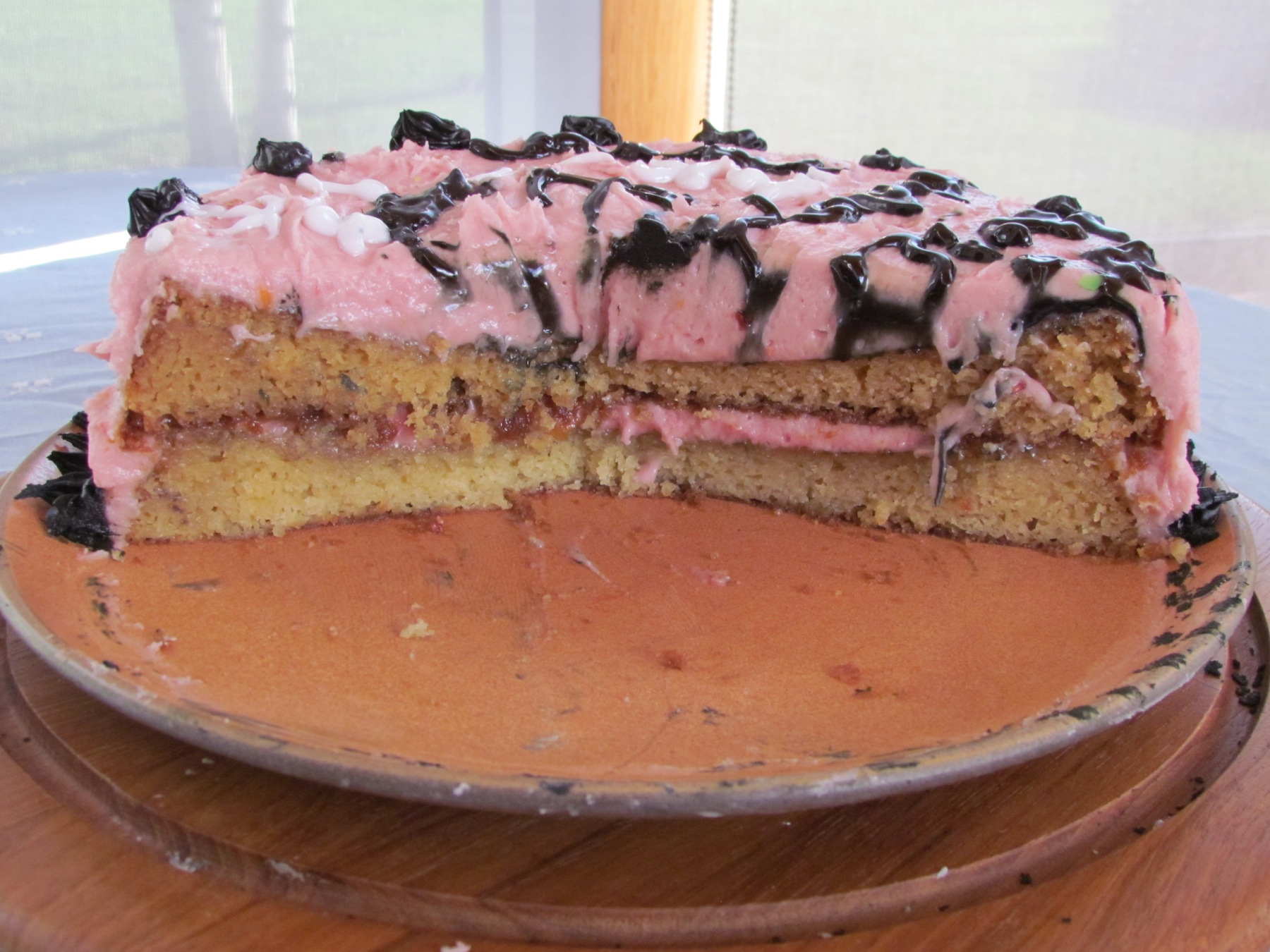
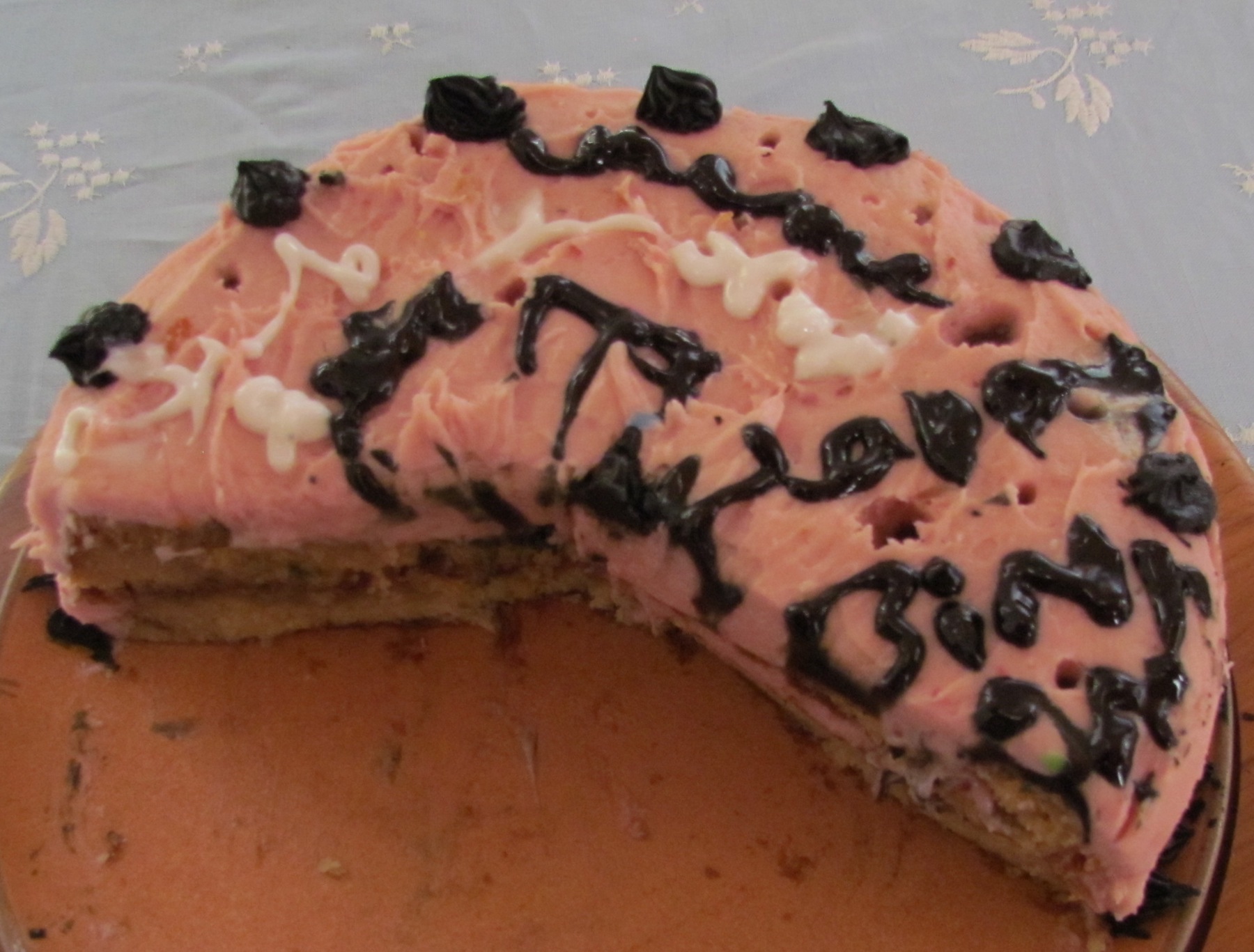
The vanilla cake with raspberry icing Em and I made.  Nic and Emma decorated it by writing everyone’s name on it.  And yes, it was delicious!

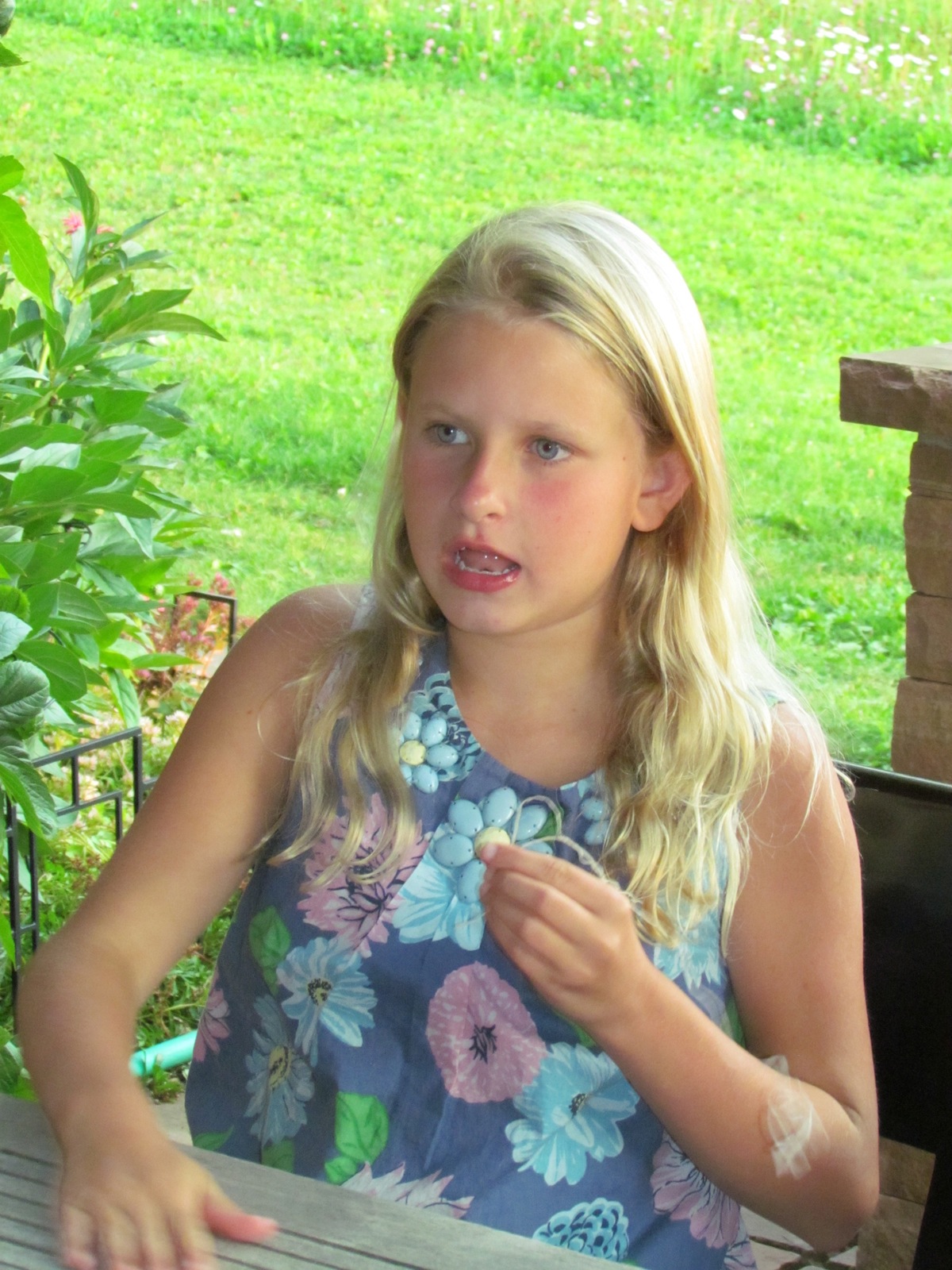
Beautiful Em wearing one of her pretty dresses

A Little Gratitude And Love

I have to begin this post with some gratitude.  Angela, whose blog – Half Past Normal – a wonderful blog I hope all of you will visit, reached out to me yesterday with a lovely comment.  As with all the comments people leave, I was left feeling so fortunate to be among such a wonderfully vibrant and diverse community.  Thank you Angela for thinking of me and reaching out to me.  It made me very, very happy.

I wrote yesterday about feeling off kilter, feeling what my father would have termed – je ne c’est quoi – I couldn’t put my finger on it, thought it was from all the travel and jet lag, maybe some overwhelm too, I didn’t know really.  But I’m closer now to what it is.  My friend Ib, whom I adore and carry with me in my heart at all moments, helped clarify it for me yesterday.  She calls it “weltschmerz” and she said, “it is located in your language of erosion of trust… disappointment… the need to help underscored with a note of (in my ears) not being sure it will work or anyone will listen… I think it is weltschmerz and I think it got in your body like it does for us and made your bones tired.”  The “us” she is referring to are all the Autistics who are advocating for change.  They are constantly working to change our thinking, our perceptions and the way Autism and Autistics are viewed and treated.

As I read Ib’s explanation I thought of @Coyotetooth who tweets poems in 140 characters or less and photos of his walks.  He is one of the many brilliant, kind souls who is quietly making a difference.  His post, Unshattered is just one example of his poetry on his blog CoyoteTooth13.  His tweets are the ones I try to find first thing in the morning. Sometimes if I’m very lucky I will come upon his and @AspieChap’s conversations, often conducted in rhyme, the best way to begin any morning, it seems to me.  Then there’s @Aspie_Warrior who is tweeting and blogging (blog – Aspiewarrior) about  what it’s like for him as Dad to AS son and NT family.  He writes, “This has led to me working as kind of translator in my household. Kind of a bridge between my NT family and my son.”

@SpectrumScribe with his wonderful blog, Postcards From the Edge of the Spectrum writes about his journey of discovery, revelation, acceptance and self-reconciliation.  He has wonderful suggestions for books and film in addition to his terrific posts.  There’s @AspieKid whose comments on Emma’s Hope Book have inspired whole posts  and who writes on his blog, AspieKid about his life and what it was like for him as a child.  There’s Laura Nagle, featured in the wonderful documentary, Vectors of Autism: Laura Nagle and gives one of the best monologues I’ve ever heard about what it is to be Autistic.

There is Amy Sequenzia and Peyton Goddard and Emma Studer, all of whom are nonverbal Autistics communicating through typing and whose words are having an impact.  One by one they are changing people’s perceptions of their children and what it means to be a nonverbal Autistic adult in the world.  There are countless others and I will try to include them in future posts, but these are all Autistic people who help me understand, who through their kindness help me forgive myself for the mistakes I’ve made, who have helped me do things differently.  Maybe they already know they are making a difference or maybe this will come as a surprise, but they are and they have.  They have made a difference in my life and by extension in my daughter’s life.

If there is one thing I can do with my writing and with this blog, I hope it is to inspire other parents and organizations to read what Autistics are writing and to interact with Autistic people.  If I can have any impact on the organization – icare4autism – it is to persuade them to seek out the advice of Autistics, to hand the microphone over to them and to work closely with them in moving their organization forward.   We parents can give each other support and cheer each other on, but it is Autistics who can best advocate for themselves, who can explain to the rest of us what it’s like, who can encourage us to not concentrate on deficits, but on assets and who can show us we are not so different.  We are, after all, human, regardless of our neurology.  Perhaps it is in sharing our commonalities, rather than our differences that will encourage people, all people to come together to help one another.

I have to end this post with my friend Ib.  Ib doesn’t have a blog, but she is a powerful presenter and advocate.  She also is my friend, someone who reminds me when I feel discouraged, frustrated, tired or angry that kindness was what changed things for me.  Kindness from Autistics who reached out to me and extended their hand not so long ago.  E. from the blog The Third Glance was one of the first, and I’ll never forget how much her comment on this blog meant to me.  Ib has not only extended her hand to me, but opened her arms in embrace, no matter my mood, no matter my lack of understanding, patiently, lovingly, she has given herself in friendship and I can only hope she feels my love for her in return.

Yesterday evening


To The Mayor Of Jerusalem Regarding Autism

The Mayor of Jerusalem made some remarks during the opening of the icare4autism conference yesterday morning.  The organization intends to have a home in Jerusalem and while they seem to be doing a great many wonderful things, there are a few things that are not so wonderful.  The following is a letter I wrote and sent to the Mayor’s spokesperson yesterday.

“Dear Mr. Mayor,

I am a writer and a mother of an Autistic child.  I am writing a piece I intend to submit to the Huffington Post about the Icare4Autism conference and Jerusalem’s involvement.  

I am in regular contact with a number of adult Autistics, both verbal and nonverbal, who are deeply concerned with the amount of press (almost all negative) that autism receives.  The autism = tragedy model is one they vehemently object to as well as the fact that they are rarely included or invited to be on the boards, advisory committees or consulted when organizations are formed or policy is made about them.  I am hoping both you and Icare4Autism will consider their concerns and am interested to know what you are planning for the future in this regard.  
 
Will you consider including autistic people as advisors, at the very least, who can help in creating better awareness and understanding not just in Jerusalem, but in the world?  You, Jerusalem, Israel and your association with icare4autism have the unique opportunity to do something none have done to date –  work with and help develop an organization that changes the public perception of autism by including Autistic people.  But this will require more than just one or two token Autistics, it will mean truly giving Autistics the opportunity to be a part of the development of policy and organizations meant to help them.  Autism is not a tragedy, however public perception of it is.  
 
Autism is a neurological difference from that of a neuromajority.  Suggesting cures, promoting imagery that is depressing with melancholy music, showing Autistics as burdens who are broken is something that in the US is sadly the norm.  The single largest Autism organization in the US is Autism Speaks, an organization that is abhorred by a massive number of Autistics.  The prevailing perception of autism as tragic and a devastating crisis creates more misunderstanding, panic and fear.  To be Autistic, to feel that your very existence is in jeopardy because of organizations intent on “cures” only increases that fear.  None of us make good decisions or behave well when fearful.  
 
I hope that you will consider the Autistic adults who are speaking out, who are asking to be heard, respected and given a say in organizations which use the word “autism” as part of their identity.  
 
I would love to include a quote from you on any of this.  
Thank you so much.  
All my best to you and your vision for Jerusalem and autism,
Ariane”

I am going to meet with the head of the icare4autism organization this morning and will speak with him about these concerns as well.  Keep your fingers crossed and wish me luck!

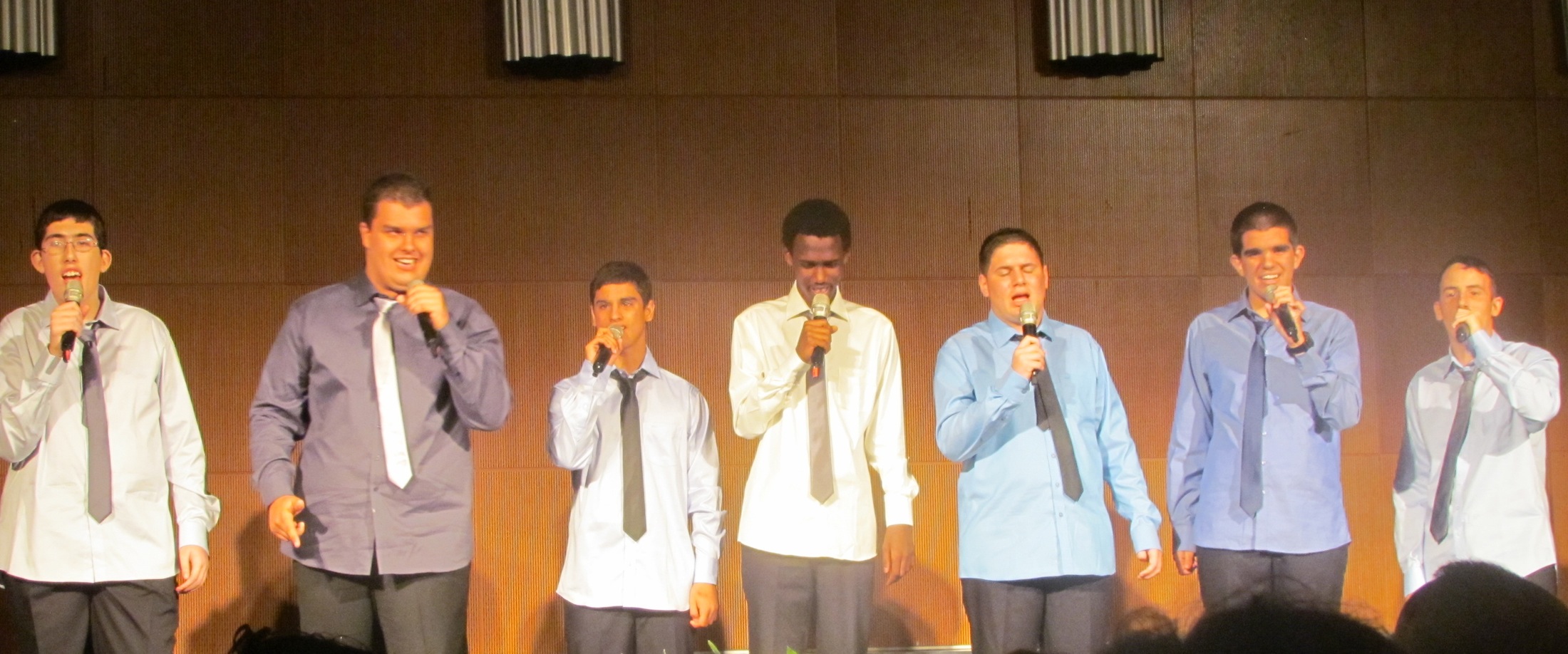
The photograph below is of the Autistic Boys Choir.  They performed yesterday at the opening.  People were openly weeping.  The performance was terrific, their voices exquisite, the joy infectious and a wonderful example of what “Autism looks like.”

 The moon over the Old City last night

Joe Scarborough’s Ignorance And What It Means To The American Public

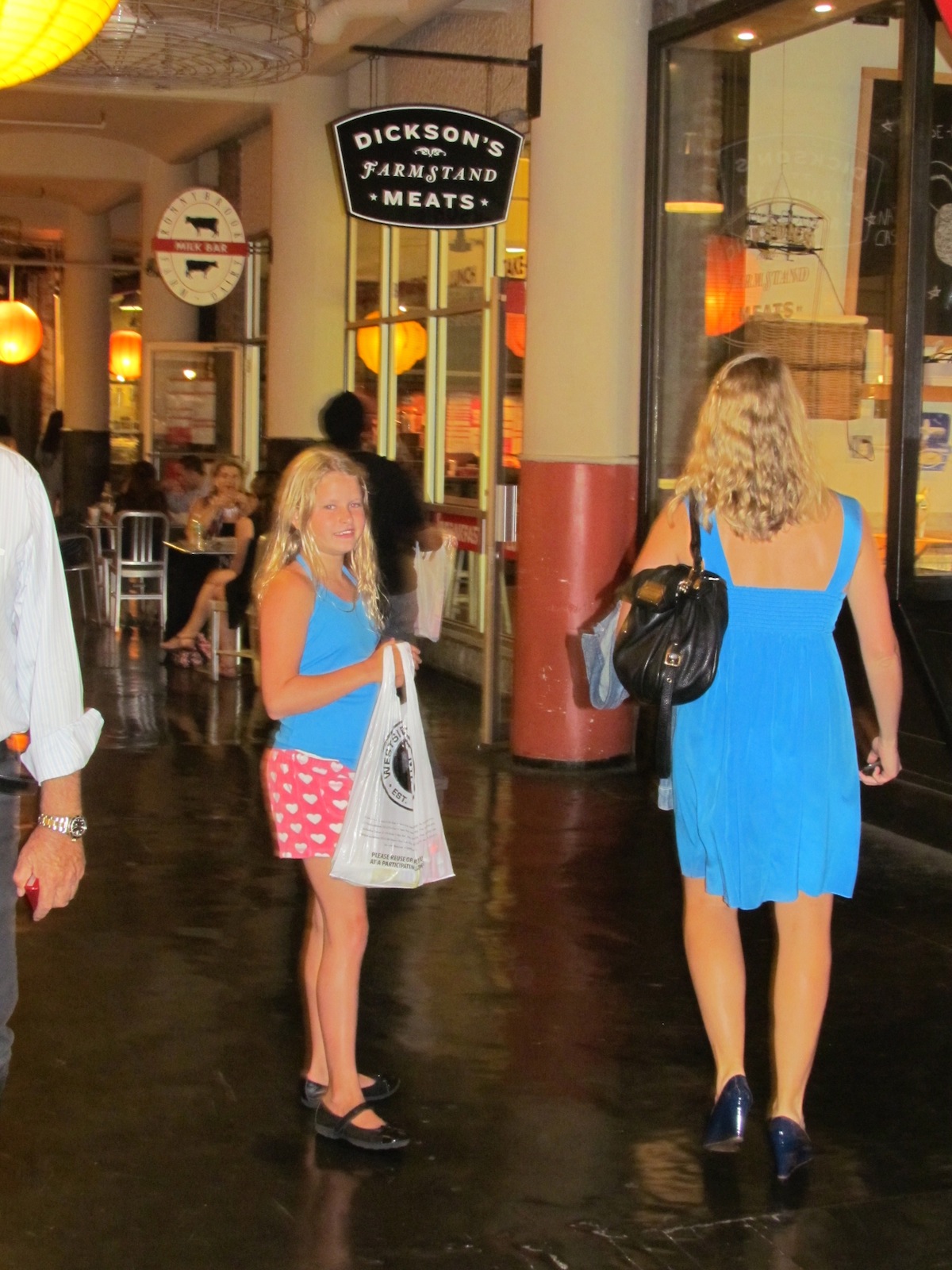
I wanted to write about how Richard came home yesterday (Yay!) and how we took Emma to the Chelsea Market and how she insisted on wearing a pair of black patent leather shoes, turquoise tank top and pink terry cloth shorts with white hearts.  I wanted to post a couple of photos of her so you could see for yourself how great she looks, but when I sat down to write I knew I had to write about something else.

I don’t want to talk about Joe Scarborough any more.  Yet his unfortunate, ridiculous, careless and ignorant remarks, make it impossible not to mention him, because he has a huge following, because people imagine he knows something about Autism.  Joe Scarborough’s remarks are indicative of a larger issue – ignorance and misinformation, which leads to opinions and a general consensus about Autism that is incorrect.  One such commenter on an article about Joe Scarborough’s remarks, said he believed Joe Scarborough knew more about autism than he did because he has a son who is Autistic.  And that is exactly why this is about more than just some asshole with a radio show.  There are countless people spewing all kinds of venom on the radio and everywhere else.  Much of it is dismissed.  But when someone, whether it’s a pseudo celebrity or a talk show host with a large following says they have a child on the spectrum ears perk up.  Forget that AUTISTICS are talking about what it’s like to be autistic ALL THE TIME and their words are almost never in accordance with what that parent with an Autistic child is saying.

So just to reiterate:

Autism is NOT a “mental health” issue.  It is neurological, neither good nor bad, just DIFFERENT.

Joe Scarborough, (I know, there’s his name again) said in a statement he made yesterday, which was neither apologetic nor a retraction from his original inflammatory comments, “I look forward to continuing my work with wonderful organizations like Autism Speaks to provide badly needed support to millions of Americans who struggle with Autism every day.”

Autism Speaks does NOT provide badly needed support to Autistics.  In fact Autism Speaks is uniformly HATED by a massive number of Autistics who speak to that fact on a daily basis.  If you google “Autistics who hate Autism Speaks” you will see more than a dozen pages of links addressing why this is so.  (Really, I just googled it.)

While I’m at it, let’s dispel a couple more myths, something Autistics are doing ALL the time on their blogs.

Autistic people are not inherently violent.

Autistic people do not LACK empathy.

Autistic people are not all loners sitting in a corner banging their heads against the wall  (That would better describe me right about now)  until they can no longer take it and go on a murderous rampage.

Autistic people are not all depressed and friendless.

I’m depressed right now.  But this isn’t about me, or how I feel, or anything else that contains the word, me or I.  This is about prejudices and prejudices are always negative, reinforced by ignorance, ingested by those who believe they are being told the truth by someone who is more knowledgable than they are about something they know nothing about.  This is how it works.  This is how it has always worked throughout history, the demonization of a group of people whose voices are drowned out by the larger roar of ignorance and stupidity.

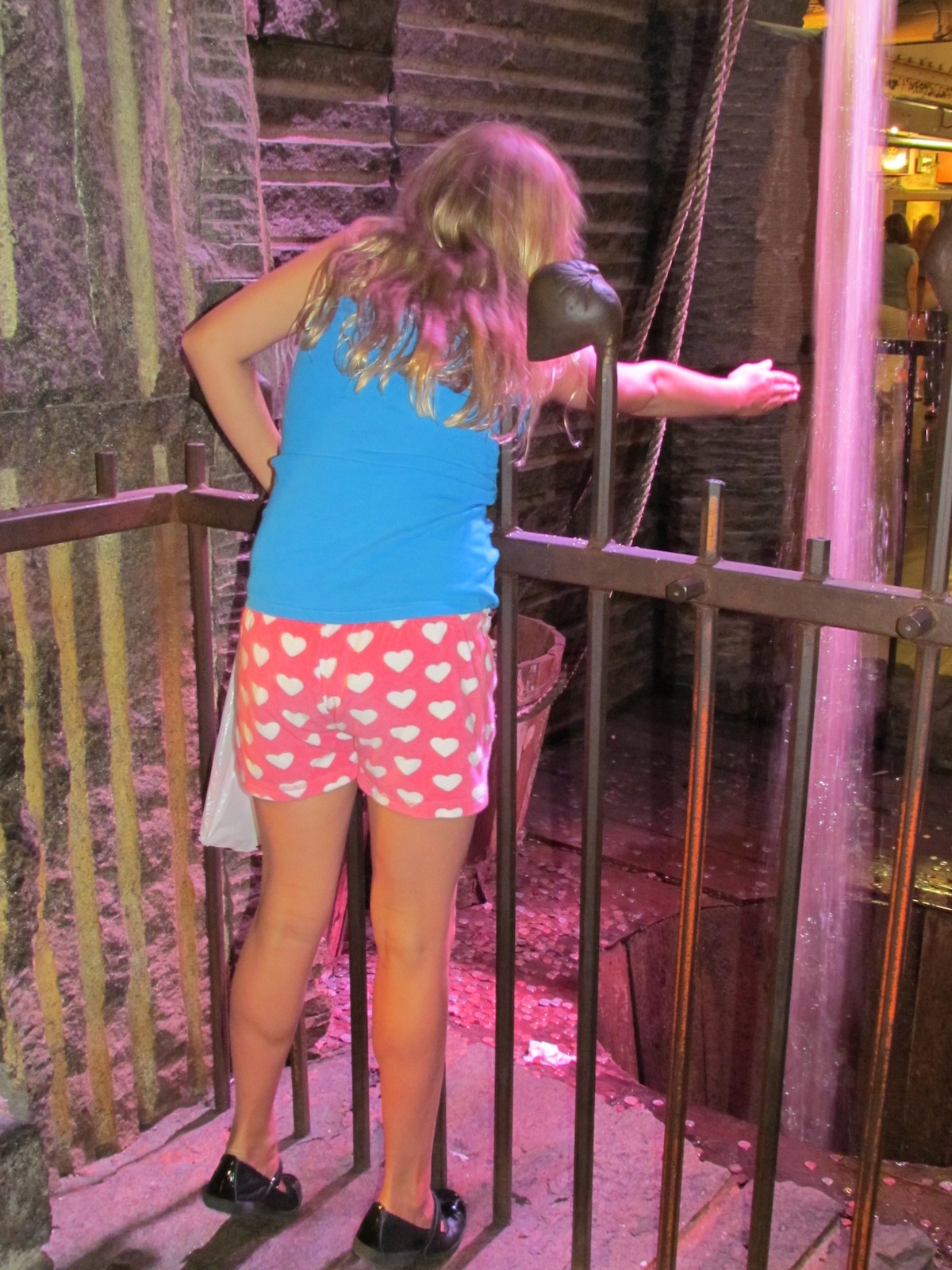
I refuse to end on this note, however.  So here.  Here are a couple of photos of Emma in the outfit she threw on to go to Chelsea Market yesterday evening.  Because Em is one more example of what Autism looks like.  Emma is inherently HAPPY.  Emma is inherently SOCIAL.  Emma is inherently KIND.  Emma is inherently EMPATHIC.  I’m trying really hard to follow her lead.

This is Autism.  This is Emma.

Loved that as I took this photo a woman wearing black patent leather pumps and turquoise dress walked toward her!

“I can’t reach!”

Related articles

Autism, Assumptions and Perpetuating Misperceptions

I was going to write something about the Aurora shootings, but I think it’s better if I give some links to things others have written.

This link is from Lydia Brown on her blog Autistic Hoya – All I Want to do is Weep.  She wrote it last Friday, July 20th before Joe Scarborough, whose son is Autistic, weighed in with his damaging, destructive words, needlessly adding fuel to the flames of ignorance and misperceptions that roar whenever the word autism is spoken.

Then, just as Lydia and others within the Autism community predicted, Joe Scarborough said,  “As soon as I hear about this shooting, I knew who it was. I knew it was a young, white male, probably from an affluent neighborhood, disconnected from society — it happens time and time again..”  He added, “Most of it has to do with mental health; you have these people that are somewhere, I believe, on the autism scale. I don’t know if that’s the case here, but it happens more often than not.”

His words, so predictable, so incredibly stupid it would have been comical had it not been so very harmful to so many.  When I read his comments I thought, people will read Lydia’s piece and assume she’s psychic, because that would be the only explanation for her ability to predict such a thing.  Right?

Kassiane Sibly wrote on her blog Radical Neurodivergence Speaking – Open Letter to the Media in the Wake of the Aurora Shootings

Paula Durbin-Westby wrote: Autism, Aurora Shooter, and Actual Crime Statistics

Rachel Cohen-Rottenberg wrote: Despicable: Joe Scarborogh’s  Words on Autims and Mass Murder

And finally here is the petition Rachel started, demanding Joe Scarborogh retract his statement.  Please sign.  This is too important.

Sign this Petition

These “theories” and it seems they are always “theories” which appear to be code for “opinion” are doing damage to people who are living their lives in a society that not only does not understand, seems unwilling to understand and even actively refuses to understand despite all the people who are trying to help them understand.

Autistics are saying – LISTEN TO US!   And we look around and say, huh, I don’t hear anything.

Autistics are saying – STOP SAYING THINGS ABOUT US WITHOUT INCLUDING US IN THE CONVERSATION!  And we look around and say to one another, Huh.  Did you hear something?  Nah.  Carry on.

Autistics are saying – NOTHING ABOUT US WITHOUT US and we say, I don’t understand.  Why are they so angry?

Autistics are saying – YOUR MISPERCEPTIONS ABOUT US ARE HURTING US and we say, oh those autistics are not like my child, that’s not what my child would say.  My child is nonverbal.  My child can’t type.  My child doesn’t have a blog.  My child can’t say the things those Autistics can say and do.  My child is different.

How do you know? 

How do you know?

Joe.  You made a mistake.  Retract.  Apologize.  Make amends.  Have an Autistic on your show.  Listen to them.  Listen to your son.  Do the right thing, educate yourself.  You have a massive following.  You could make an incredible difference to so many lives including your son’s and your own.

I will end with this thought. I choose to presume competence, not just in Emma, but in myself and in my fellow human beings.  We ARE capable of listening to one another.  We ARE capable of shifting the perceptions of autism and Autistics, one person at a time.  I believe that, because to do otherwise is to live in a world I cannot and do not want to be a part of.

I Think I Finally Understand – But I May Still Need Your Help

I am reading I am intelligent by Peyton Goddard and Dianne Goddard with Carol Cujec.  I am not finished yet.  It is a powerful, beautifully written tale of triumph about Peyton who was denigrated, undermined, diagnosed as “mentally retarded” believed to be incompetent then learned to communicate through a facilitator as a young adult and proved everyone wrong.  Peyton’s story is shocking, heartbreaking and revelatory.  Her mother writes with a poetic beauty about her own evolution as she worked to help her daughter, refusing the labels being applied and yet allowing that they seep into our thinking unbidden despite our rejections of them.  I have been  unable to think of little else.

As I read Peyton’s and her mother’s words I finally understood why so many object to the labels of “high,” “low,” “moderate” when describing an Autistic person.  This is a concept I thought I understood, I certainly understood it intellectually, but I didn’t feel I completely understood until I was about half way through this terrific book.  I have felt uneasy when people have rejected the delineations for autism.  A  little voice in my head whispered those clichéd words, yes but if their child weren’t so high functioning they wouldn’t be so quick to dismiss these terms.  I admit to having felt uncomfortable and even upset when I read accounts of other parent’s struggles with their brilliant, verbose, hyperlexic children.  What I would give to have a child who could speak and think circles around me, I thought with envy.

Mostly I’ve remained silent, understanding that my thinking was limiting but unable to work out exactly why.  I felt the pull of other parents whose children are non-verbal, some violent in their frustration to be understood and unable to communicate. When those parents used the word “severe” it was a short-hand I thought I understood.  Yet, I read a blog of a parent who described her two children as being “severe” and then felt confusion when I read her posts because the children described were academically and verbally much more advanced than my own “moderately” Autistic child.  But I said nothing and tried to move on, understanding that I didn’t understand.

Finally I sent such a post to a close autistic friend whom I trust and knew would not judge me harshly.  I ranted and admitted how I felt.  She was patient with me.  She gave me the space to be confused, though it must have been difficult to stay calm in the face of my non-understanding.  Particularly as she is one who could be labeled “high” functioning and yet her teeth cause her pain when she is lied to, she suffers migraines and becomes overwhelmed, yet feels she has to pretend that she’s fine.  She carries the weight of not wanting to burden those who love her, because she “should” be able to deal with the things that she cannot.

As I read about how Peyton started to communicate by typing and how people began to see how intelligent she was, a little light went off in my brain and I got it.  Because (and this is probably obvious to many of you already, but I’m a slow learner you see) Peyton was labeled all sorts of things by people throughout her childhood, but those rating systems did nothing but hurt her.  Not one of them actually helped her, they didn’t support her, they were used to further segregate her and they were used by some to abuse her horribly.  As I was reading, I thought, right because Emma is considered “moderately” autistic, but she’s not moderately intelligent.  Her intelligence is extremely high, so what does moderate really mean.  Is that how she “seems” to neurotypicals?  But how is that helping her?  It doesn’t help her.  In fact, by thinking of Emma as moderate or severe or mild she is being limited.  If someone who is thought of as “high” functioning then can’t cope in a crowded place with fluorescent lighting and begins shouting and flailing about, the common thought is, well he could control himself, but is choosing not to.  Just as a “severely” Autistic person is an inspiration and miracle when they are able to express themselves and communicate their thoughts to those who had slapped a low IQ on their charts.  These ratings become the method by which a human being is seen as non-human or less human.

In my enthusiasm I wrote to my friend, Ib last night.

Me:  I think I finally understand what you and others have meant about characterizing autism in terms of mild, severe etc I suddenly had a brain flash and I think I understand why.

Ib:  Oh thank heavens 😀

Ib reminded me that the scaling system is ineffective as a descriptive device as children grow, progress and become adults where they continue to grow, evolve and progress.  I thought of Peyton finally finding a way to communicate in her early twenties.

Ib said, “You wouldn’t grade me now as you would grade teenager me the level doesn’t stay we grow, like anyone else.  I remember things that is why I can suggest to you what Emma may mean with levels-thinking, you may never have seen me as a resource because “Ib is not like my Em” but you see that I am.”

Ib is right.  She is my friend, first and foremost, but she is also someone I rely on to help me understand.  Because there is so much that I don’t.  But with help I can.

I would love to hear from anyone who cares to chime in here.   If I’ve been disrespectful, please let me know.  I think I’m getting it, finally, but I want to hear from all of you.  I need to understand this.  For my daughter’s sake, I have to understand and she can’t explain it to me…  yet.

Laura Nagle – Paving the Way

The following was a “comment” sent to me by Laura Nagle, who is the star of the wonderful, powerful and not to be missed documentary:  Vectors of Autism: Laura Nagle.  I couldn’t just include it in the comments section, you will see why.  So I asked and received Laura’s permission to publish it here as a post on its own.

Laura Nagle writes:
“I self diagnosed with Asperger’s Syndrome several years ago. I told my sister, who told our father who confirmed my suspicions with recollection of my official autism diagnosis long ago, before the flood. I soon learned of a local chapter of the Autism Society of America, meeting in Flagstaff. I went there. Walking into that first meeting was a large and difficult step. I am so glad that I summoned the courage.

You see, I have always been autistic. I have always been a misfit in the world. I have had all the typical autism issues, but without having any answers as to why. I have paid my bills, but otherwise have wandered aimless upon the earth. I have lived in crushing financial poverty, as do far too many of us. I have found a form of poverty so much worse than that of mere money; and have lived this soul poverty most of my life.

You see, I have had nothing to give. I have been so deep in money trouble that I have not been able to give to charity. By the end of a day’s work in the real and generally entee world I am exhausted, and melted,  and depressed, and not capable of any optional accomplishments. And I have lacked any special worth or skill or talents. What can a poor, fatigued, worthless loner give to anyone. Nothing. Nothing at all. That is the desolation that I have endured. . .

. . . Until my walking into the meeting of the Northern Arizona chapter, ASA. I must note, and strongly, that my life did not change at that moment. That would be to assume that I had a life prior to the ASA chapter and the people I met there. I did not have a life, I had a rude existence. My life began at that moment.

I found the ASA and was found by them as well. It turns out that all that I learned during those harsh years is of value to others. It happens that I have an essential talent of putting an esoteric condition and its personal reality into words understandable by persons who will never experience it. This talent is a gift, I cannot take credit for it, but I will use it as well and as often as I can.

I am motivated. As I scan the decades of my life I see so many ”autistic moments” in which I adjusted my life’s trajectory downward. I see so many moments in which things might have turned out better for me if only I. . . If only someone near me had known the whats and hows of autism. They did not. I want new ones of my Spectrumite Tribe to excel! I want them to do far better than have I! I want them to exceed me in every way.

And I have the chance to do this! These wonderful people around me, people of ASA, people of TASH, these people have given me purpose and friendship and thus life itself – on a silver platter! I have gone so long in a drought! I have people and purpose! The drought is broken, and I am blessed beyond my wildest dreams, and I so deeply appreciate it all!

Without the ever growing people I cannot fulfill my purpose. I need people to dream with me and also for support and guidance. I need those people who listen to my message and apply these concepts in real life and so insure that new auties shall exceed me and my success! People and purpose. I would never have dreamed of this. I have thanks that would take several lives to give.

And I would like to offer those thanks here! Thanks big and wide to the ”Vectors of Autism” team, to my ASA and TASH friends and to all who watch our film and are moved by it. Special thanks go to John, our director, who insisted on making this film more than a documentary. Thanks to our cameraman, Matt who lent his vision – literally! And most of all, thanks to Susan, producer of this film, and of my life!

Dang I am lucky!”

*I believe, but I haven’t verified this with Laura, that when she writes “entee” she is referring to NT (neurotypical).

I was going to title this post “Laura Nagle – Paving the Way For Emma” because Laura is, but it isn’t just Emma who profits from her words and this documentary.  The more Autistics are given a platform from which they can speak out, discuss their experience of the world, the better this world will be for all of us, not just our children, but for every single child and every human being on this earth.

Thank you Laura for writing this.  Thank you for being who you are.  And thank you Leah Kelley of Thirty Days of Autism for introducing me to Laura.

Vectors Of Autism: Laura Nagle

Vectors of Autism: Laura Nagle   For those of you who have not yet viewed this powerful documentary, you must.  I cannot urge you enough.  Just do it.  Watch it.  Keep a box of tissue nearby, because if you’re like me, you’ll need it.  I wept throughout the entire film, from joy, from sadness, from relief that such a film has finally been made, from pain that we have so far to go in educating ourselves, the public, the media about autism and what it means to be autistic.  At one point Laura laughs and says, “I figure I was built out of reworked parts.”  It is a poignant example of both her sense of humor, but also how society’s view of her has weighed heavily.

Anything I say about this documentary is inadequate.  So I’m going to give you a couple of fun facts while you click on that link above and purchase the DVD.  I know, it’s $35.00 but think of it as an investment in your child’s future and to the future of this film.  The more people who buy it, the more likely it will make it to film festivals, and to the larger public where this message needs to be seen more than ever.

Laura Nagle wrote the lyrics to the theme song and plays the harmonica on it, she’s also an architect, an artist and Autistic.  It’s hauntingly beautiful, which is kind of perfect because so is she and so is the documentary about her.  The couple in the documentary with two little girls on the spectrum, Jennifer Turrell and Stewart Anderson wrote the music.

*Addendum – I was so tired when I wrote this post late last night, I just didn’t have the energy to write more.  But I need to add, this documentary is everything I and others like me have been saying.  It is imperative Autistics speak out about their experiences and it is vital that we, in the neuromajority, listen.  For those of you who are still uncertain as to why I say this, it is because I know I am not the only parent of an autistic child who went through a hellish period (far too many years) in which I struggled with my daughter’s diagnosis and what that meant to her and to us as her family.  I tried my best to understand, I did what I could with the knowledge I had available to me, but even so, I fell short.  I cannot help but wonder, had I heard Laura Nagle and others speak of their experience, would I have done things differently?  Would my stress and fears have been abated even if only by a little?  Would I have sought the opinions of all those specialists with such tenacity and fervor?  Would I have been able to set aside some of my fears in favor of a more rational and calmer mindset?  And most importantly, would any of this have effected Emma?  I think it would have.  I hope others can learn from some of my mistakes.  I hope that by writing about my journey, others who are closer to the beginning of theirs can avoid some of the traps I so easily and readily fell into.

What I know now is that having operated with a stress level hovering in the red for so many years, I am relieved to see this documentary.  I am grateful to have friends who are autistic and whose lives, opinions and experiences help pave the way for my daughter.  The question is – how do we go about making these kinds of connections available to other families?  Families who do not have blogs, who do not know where to go to find Autistic adults who are interested in speaking to them and sharing their experiences with them.

One of the reasons 12-step programs work as well as they do, is because they provide a model for living through mentorship.  The role of the addict who has cobbled together some time as a sober and abstinent being, who then goes on to offer support to other addicts with less experience and who may be still struggling with their addictions is a powerful model for any community.  A huge component of 12-step programs is the idea of being of service.  Without being of service to a fellow addict we will almost certainly lose our way.  But this idea, this model can be translated to include any community.   Within the autism community, for those self-appointed Autistics who have a desire to extend their hand to families with autistic children, it is a vital lifeline, one that everyone involved can profit from.

If you’re still undecided here’s a preview video:

http://youtu.be/9NUMrP43tMM

After you have watched it, I want to hear your thoughts.  What did you think?  What did you learn?  What surprised you?  What made you cry?  What made you laugh?  Laura is very funny, so that one is probably easy!  Laura has not just started a conversation, she is extending her hand.  It is up to us to grab it.

Look! She’s a Therapist, She’s a Teacher, No She’s a Mom

Sometimes it all feels wrong.  You know?  We’ve been working with Emma on her literacy, reading, writing, typing and then a couple of months ago I just couldn’t keep doing it.  I hit a wall.  I kept telling myself, you’re just tired.  You’ll get back in the saddle, give yourself a break, you’ll feel more energetic, you will.  You just need a little break.

But now it’s several months since I gave myself that little talk and I am no closer to “getting back into the saddle” than the day I said all of that.  And here’s the thing…  when Em was first diagnosed, we did what everyone advised us to do.  We fought and were given 40 hours of ABA, we were trained to continue the ABA after the therapists went home and during the weekends.  Emma was bombarded.  We called it baby boot camp.  It was horrible.  I hated it.  I remember saying to the diminishing few who’d listen, But I don’t want to be Emma’s therapist.  I want to be her mother.

I use to sit with Nic and Em in our big rocking chair, we still have it.  We still fight over who gets to sit in it, though these days, Richard has successfully commandeered it as his own.  But when the children were still little, it was mine, all mine and I’d sit in it with both children in my lap, holding them, rocking them.  Smelling their heads, that smell that only small children have, that smell that no one’s managed to bottle, but that if anyone did, they’d make millions off all us moms.  I loved my new role as mom and I wasn’t thrilled to trade it in for therapist/autism mom extraordinaire.

What was so wild about those early days was how all the “experts” I listened to, I believed they knew better than me.  Despite the fact I kept reading the masses of research saying how little we actually knew, how much we had to learn, there was never any shortage of people who seemed to think they knew it all.  Funny that I never thought to question them in the beginning.  Or more accurately, I did question them, but I tamped those questions down because I so wanted to believe, I needed to believe that someone somewhere knew what the hell they were talking about.

But they didn’t.  Not really.  They certainly didn’t know about Emma.  Every single thing anyone in the field of autism predicted about Emma has proven incorrect.  Everything.  It’s kind of astounding.  But it’s true.  “Oh, she’ll be mainstreamed by the time she’s in kindergarten” they assured us, always with the codicil, “if you keep doing ______  (fill in the blank).”  “You’re fortunate she’s so mild.  She’ll be one of those kids who loses the diagnosis,” they’d say with a tone of certainty.  And so we put our better judgment aside, we tamped down our questions, we trained, we worked with her, we questioned her, we showed her the flash cards with the bike and the green t-shirt and the yellow car, we played umpteen games of peek-a-boo and sang the ABC song and Head, shoulders, knees and toes for the nine hundredth time, never questioning why we were doing this.  Never asking ourselves, is this really the best way to spend our time with her?  Are any of these things remotely meaningful to her or are we doing this because this is what a neurotypical child would sing or play?  That Emma was not a neurotypical child was, evidently, not the point.

Now Emma’s ten.  If you ask her, she’ll tell you she’s nine.  I keep meaning to teach her the old, don’t-you-know-its-rude-to-ask-a-lady-her-age routine, thus letting her off the hook.  Because really, who cares?  We ask each other questions like “how old are you,” which is equivalent to the adult question, “what do you do?” but it’s really a way to fill in the silence.  A silence that can be painful.  A silence that doesn’t right the feeling that it’s all wrong.  So we fill it in with words and ideas and studies and tests, but we don’t stop to think, what exactly are we testing?  What exactly are we studying?  What exactly are we doing?  If we test someone and make conclusions based in neurotypical thinking aren’t we missing the point?

I spoke with an Autistic friend yesterday.  She told me she was given a standard IQ test where she proceeded to get every single answer right, so they kept giving it to her, trying to figure out how it was that she was getting all those answers right because she presented as having so many other “issues” and was clearly autistic, they concluded that something was wrong with the way the test was being given.  Meanwhile she thought it all great fun and each time they gave the test to her, she just dug in and cheerfully gave all the correct answers again and again, confounding them.

Which brings me back to all these therapies that require parents to become teacher and therapist.  I’m not a teacher for good reason.  I do not have the skills or the desire to be.  And while I’ve stepped up to the proverbial plate again and again to do what needed to be done, I don’t want to continue.  I want to be Emma’s mom.  I like being Emma’s mom.  I love reading to her and playing with her and dancing with her and being silly and making stupid faces and making up ridiculous sounding laughs and running around pretending to be a monster and cooking with her and showing her how to fold and sort the laundry and how to brush her hair and give her pedicures and manicures and run through the sprinklers together.  I don’t want to be her teacher too.

And maybe, just maybe I don’t have to be.  Maybe all those experts and autism specialists are wrong.  Maybe I can just be her Mom and that’s enough.

Losing Sleep, Autism and Strange Noises in New York City

I’m operating on about three hours of sleep.  The piece I rewrote about Simon Baron-Cohen and The Theory Of Mind for the Huffington Post was published yesterday evening.  I knew I’d get some opposing views.  I’m used to that.  I understand that by putting my thoughts out there,  people will and do disagree.  So irritating when people disagree with me.  Eye roll, sharp intake of breath.

When I began writing at the Huffington Post I submitted a piece about Emma and her interesting use of language.  It was not a scholarly piece, (none of my pieces are, it’s not what I write)  just some observations and thoughts I had.  Once the piece was published I received a couple of scathing comments, many of which were marked as “abusive” and were removed, but one that remains, was from a retired speech pathologist who wrote,  “A jewelry designer (author of the article) who has bizarre ideas about language development should be countered by an expert opinion.”   I imagined as she wrote that comment she was looking grim and making tsking sounds.  I felt as though I were back in first grade being scolded for not paying attention.

Another piece I submitted about Emma’s painting, a number of people made derogatory comments, which were removed.  One of those comments was,  (I’m paraphrasing here) Oh great!  Stupid references to Dr. Seuss, Autism and painting all in one sentence.  How is this news?  

News?  I was supposed to write a journalistic, investigative piece?  Shit!  Where was I when that memo got sent?   I thought I was writing a piece about the joy I felt watching my daughter paint.

It’s anxiety causing to get such contemptuous responses, but over the years I’ve developed a “thicker skin” though I’m so literal-minded that phrase strikes me as really creepy.  Still, in this last piece it is I who am attacking someone else.  And while I’m sure Simon Baron-Cohen wouldn’t lose any sleep were he made aware of my rant about his questionable test and the even more questionable conclusions he’s drawn, it’s not in my nature to attack others.  I don’t feel comfortable doing it.  Against my better judgement I submitted the piece anyway because I believe strongly in its message.

As I reiterated in a comment I made to another person’s response –  SBC  is presenting himself as an “expert” on autism. It isn’t as though he was the parent of an Autistic child, had a blog and wrote the occasional piece for the Huffington Post, while making inflammatory statements, which everyone could read, laugh, argue with and forget. He has made a career for himself, based on his academic achievements. His theories should and must be held to a higher standard. His words and ideas have tremendous power. It is irresponsible to be in such a position of power while basing ideas and theories on faulty tests with no consideration of the implications. I, too, could cite many examples of my daughter’s actions, which could then be used to (erroneously) support SBC’s various theories. That doesn’t make his theory correct, it brings into question my thinking.  I urge you to read Dr. Henry Markram’s alternate theory – http://www.wrongplanet.net/article419.html – I can find many more examples of Emma’s behaviors, which support his theory. The TOM theory is a dangerous one because of the way it can be used to justify the negative perceptions of Autistics. If someone has little or no empathy, we are much more likely to behave in a less caring manner toward them. We may insist this isn’t so, but there have been studies suggesting otherwise.”

As a result of all this I’ve paid the price by getting very little sleep.  Ask me about the traffic patterns on 7th Avenue between the hours of 2 and 4.  And exactly what was going on with that woman who kept shouting WooWoo at around 3:30AM?  Was she celebrating?  In the beginning stages of labor?  These are the questions plaguing me at the moment.

Emma making her silly face, which pretty much sums up how I’m feeling at the moment.

((((((Emma)))))), Facebook, Twitter, Blogs and Other Joys

When you look at the title to this post do you read it to mean – Hugging Emma, Facebook, Twitter, Blogs and Other Joys?

(If you answered yes, you are correct.  ((((Insert name)))) = Hugging.  The more parentheses, the bigger the hug.)

Within the autism community where Facebook reigns as the ultimate gathering place, the use of emoticons, ways of expressing emotions and physical actions, are commonplace.  I would argue that within the autism community the use of emoticons is more prevalent than within the neuromajority population.  But I need verification from my Autistic friends before I make such a statement.  It’s a thought based on my observations and interactions.  Which, by the way, speaks as much against Simon Baron-Cohen‘s various theories about Autists lacking empathy and a desire for interactions as it does to the level of support, gestures of kindness and friendships that are developed and maintained over the internet.  (I just submitted an amended version of my recent post – An Empathic Debunking of the Theory of Mind – to Huffington Post so he’s very much on my mind these days.  I’ll give an update when I see if and when it’s been published over there.)

Facebook, a crowded virtual space where conversations overlap, people you’ve never met interject themselves into a conversation before moving on, friendships are formed, rekindled and developed, strangers “poke” you to say hi, even if the only connection you have is that you both occupy space in that crazy mosh pit that Facebook single-handedly created.  If you think about it in these terms, Linkedin has a more conservative, suit and tie required at the door feel to it, I haven’t figured out where twitter falls in all of this, maybe it’s akin to speed dating, while blogs are the mothership, making the insanity over at Facebook all the more raucous and surprising.

It must be said, I hated Facebook when it began.  I refused to join, I felt indignant when people would discuss their “friends” or about something that had gone “viral.”  Who cares?  Who has the time?   I scoffed.  This is just a bunch of people with way too much time on their hands.   And then I would settle back to my tenth game of Spider, while reminding myself that I really should get some sleep.  But eventually I joined.  For business reasons, I told myself.  This is a pattern for me.  I observe, remain on the side lines, dip a toe in the murky waters, sit back, observe some more and then dive head first into the deep end, blissfully unaware of any rocks that may lurk under the surface.  I’m not encouraging this approach, it’s just an honest assessment of what I have a tendency to do.

Yesterday I was a mess.  For those of you who reached out, thank you.  I was teetering on the edge, trying to keep it together, not doing a great job, but doing my best to work, taking on one small task at a time.  And then my friend stepped in and held out her virtual hand.  (((((( Insert Name ))))))  Like a life line, she held her hand out and gently pulled me off the ledge.   Lots of emoticons were used.  I’m not fluent in emoticon, but she’s been a kind and patient teacher.  Did I mention she’s Autistic, not that it matters, except that it does, if only for this reason:  Autistics aren’t suppose to be like that.  That’s what we neurotypicals are taught.  Right?  It’s what all those autism specialists tell us, right?

She sat with me, literally, while I wept.  ((((((((((Insert my friend’s name)))))))))   She said all the right things and by the time we both went back to work, I was laughing.  But wait, that can’t be right.  She must not be autistic, because she doesn’t fit the mold.  Right?  Isn’t that what we do when someone defies a stereotype, instead of re-examining the stereotype, we relabel the person?  Can we all agree to toss this insane theory about Autists lacking empathy, lacking a desire for interaction and friendship?  Can we please just stop it?  Imagine if you tried to reach out to someone, only to have them reject you because of some mistaken idea they had about who you are and how you are supposed to behave?

Which brings me back to Emma.  My beautiful daughter.  I don’t know if she’s already aware of these stereotypes and how they apply to her.  My guess is, she is.  It’s one of the many things I wish I could control and change.  But I cannot.  What I can do is make sure she knows that I am here, supporting her, encouraging her, with my arms open for those times when she needs to feel them wrapped around her securely in loving embrace, just as my friend did to me yesterday.

(((((((Emma)))))))

An Empathic Debunking of the Theory Of Mind

Simon Baron-Cohen, the man who has single-handedly done more damage to the perception of Autistics than any other human being (though there are arguably a number of people vying for that title), depresses me.

I need to say that before continuing.

Simon Baron-Cohen developed the “Theory of Mind” based on the results from the now famous “Sally-Anne” test.  The Sally-Anne test, where the child is shown two dolls, is an example of dubious “science.”  Sally has a basket in front of her, while Anne has a box.  Sally, presumably made to move by an adult, which further complicates the test, puts a marble into her basket and leaves the room.  While she is gone, Anne takes the marble from Sally’s basket and places it in the box.  When Sally returns, the child is asked, “Where will Sally look for the marble?”  Only 20% of the Autistic children were able to correctly answer the question – Sally will look in her basket.

Emma, typically, when asked what one of her doll’s name is, will reply, “Doll” or “girl.”  This is just one example of Emma’s literal mind at work.  She is not wrong, her doll is a doll and yes, she is a girl.  To take away any other conclusion from her answer would be ridiculous.

Yet, from this “test” Simon Baron-Cohen concluded, “that the core problem in autism is the inability to think about other peoples, or one’s own thoughts.”

Except that his test did not take into consideration the level of anxiety, stress or mood of the Autistic participants at the time of testing.  Nor did it take into account the language issues, pronoun challenges or literal thinking many Autists have, which the test inevitably presented.  In addition Simon Baron-Cohen based his theory, which is taken by many as proven fact, on assumptions that the Autistic participants understood the question.  He then set about publicizing his theory, which inadvertently or not, is used by many in the neuromajority to abuse and mistreat the very people whom he categorizes as lacking empathy.  Does anyone else see a problem here?

When Emma was diagnosed I came upon the Theory of Mind paper early on in my research.  I remember thinking that this explained why, when any of us were upset, Emma seemed oblivious.  But as I continued along the road of educating myself, coupled with observing my daughter, I began to question his theory.  I read about Autistics who avoided looking in people’s eyes because it was too intense.  One Autist described it as akin to seeing into a person’s soul.  Other’s talked about how they could sense immediately upon entering a room, the various occupants emotional state and became so overwhelmed they would seek refuge in a corner, try to leave or would stim as a way to counter the intensity of what they were experiencing.

There are times when Emma will, with outstretched arm, put her hand out in front of her face like a shield.  Often it is done, I believe, as a response to the intensity of feelings, either hers or others or both, or as Jessy Park, Clara Claiborne Park’s daughter was quoted as saying, “It’s too good.”   Landon Bryce over on his terrific blog, thAutcast has a wonderful video of an Autistic artist, Tina, who talks about how she trained herself to look into people’s eyes because she paints portraits.  It is a beautiful video, as is she.

What struck me, after reading half a dozen articles and interviews by and with Simon Baron-Cohen, is the damage he is doing.  His most recent book, Zero Degrees of Empathy, (which I am not providing a link for on purpose) where he includes Autistics along with psychopaths and borderline personality disorder as examples of groups who lack empathy will further the suffering of Autistics.  For a man who claims Autists lack empathy, he is bizarrely unaware of his own lack of empathy.

For those who would like to read an opposing theory and one that seems much more in keeping with what I see demonstrated by not only my daughter, but the many Autistics I have had the honor of getting to know, read this interview with Henry Markram.

What’s a “Good” Mother, Anyway?

I cannot stop thinking about one of the Autists who commented on my latest Huffington Post piece.  He is Autistic and is unable to function without the support of his family.  He writes about his wish for a cure.   He writes about his short-term memory, his “lack of visual-spatial and motor abilities, inability to interact with others in basic interactions, weak attention span, processing speed, reaction time…”  He writes, “If I had skills and could really absorb knowledge, I’d have some kind of a career and I would do basic things without my family all the time.”

Before I responded to him I reached out to some Autists I know asking for their thoughts.  Some people responded, for which I am grateful.  Steve, diagnosed after his child was diagnosed, thoughtfully provided me with a number of links and introduced me to Amy Sequenzia, a non-speaking, Autistic self-advocate.  Amy blogs for a wonderful community blog Ollibean and was profiled on The Thinking Person’s Guide to Autism, Slice of Life Series (click on her name to read) and  Paula Durbin-Westby the mastermind behind “International Autism Acceptance Year”  also profiled on TPGA’s Slice of Life series offered some suggestions.

As I read their thoughts and opinions and words I felt a surge of anger.  Because these are the people the neuromajority should be listening to.  Take a moment to imagine.  Imagine you were unable to do a number of things without the help of others.  Think how you would feel if those people, the very people you depended on spoke to you with undisguised annoyance, or worse, outright contempt.  Think about how that would effect you.  You didn’t have the choice to walk away.  You didn’t have the ability to leave.  You had to stay because you needed their help.  But their help came with a price.  It wasn’t given freely.  There was disdain, irritation and often you were spoken to as though you were dirty, damaged or contagious.  Or perhaps people were kind, but full of pity and spoke to you as though you were a child.  Think how years and years of being treated this way would make you feel?  (Obviously this is not every Autistics experience, but sadly it is a great many.)

Now think  how you’d feel when the coverage in the news and elsewhere about you, about the things that effected your life, were spoken without a word from people like yourself.  Those voices weren’t being heard.  Those voices were drowned out by all the other louder voices intent on making decisions about YOUR life and for you.  How would you feel?  I would be angry and then I would feel depressed and in despair and yes, I just might wish for a cure.

But as the parent of an autistic child, that cure idea has done a great deal of harm.   It caused me to lose the ability to logically see things from a practical perspective.  As I wrote in my reply to Billy – When Emma was diagnosed I was determined to cure her. I thought that’s what a “good” mother should do. In my determination to cure her, I lost sight of who she was. I thought she was hidden under the “autism” and if I could get rid of it, there she’d be, like a baby chick emerging from its  shell. Only that’s not what happened. I couldn’t find a cure. I discovered, when I stopped looking, she was there, waiting for me to see her as she was, as she is. Will she have difficulty in life? Absolutely. Will the world treat her as less than? Yes, sadly so many will.  Some speak to her as though she were an animal. I would do anything to have the way people treat her change.

I can’t make people do that, but I can try to make them think about their assumptions. And while I’m doing that I can appreciate Emma for who she is in this moment, exactly as she is.

I don’t have time to write more now.  But this conversation, whether I just end up talking to myself, or whether I can get others to join in, I will continue, with the same relentless determination that I once pursued a cure for my daughter.