
A few weeks ago while at the swimming pool with Emma, a woman asked me where she should take her two grandchildren, who were going to be staying with her. After inquiring what the age of her grandchildren were – just a bit younger than Nic and Emma – I began with a list of parks, (all with water features) moved on to museums, then zoos, botanical gardens etc.
At one point she pointed to Emma, who was standing near me twirling her hair around her index finger, and said, “What are her favorite things to do?”
I waited to see if Emma would respond, when she did not, I said, “Emma likes any park with water and the Central Park carousel,” I said. As I was speaking Emma was twirling her hair and opening all the lockers in the dressing room. Trying to engage her I said, “Hey Em. What do you like to do on the weekends?”
Emma turned to me and said, “You have to ask Mommy. Mommy can I go home now?”
The woman looked kindly at Emma, then with a certain amount of confusion said, “Oh!”
“Emma has autism,” I said. “Pronouns have always been tough.”
“I would never have guessed that looking at her,” the woman said.
I put my arm around Emma and said, “It was nice speaking with you, have a lovely time with your grandchildren.”
As we left I thought about what the woman said.
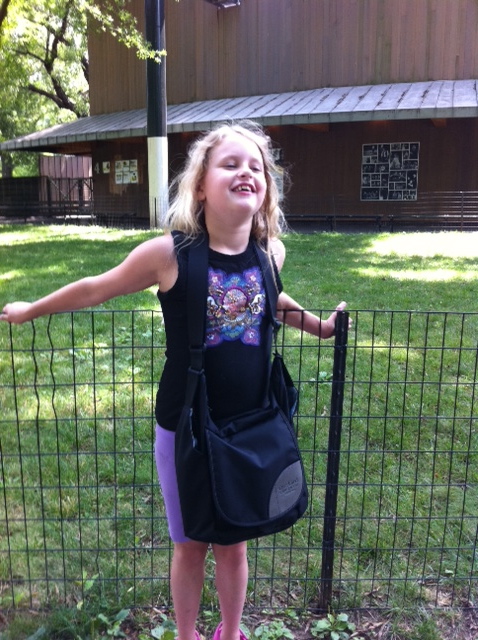
Autism is often invisible. With many children they have no discernible signs of physical issues, they look healthy, they seem “normal”. Unless one tried to engage Emma in conversation, one would never know there was anything amiss. Even then, I’m surprised by how often people still don’t know. We have such a wide range of what we deem “normal” in human behavior. I think people assume they are speaking to a neuro-typical child and so it can take awhile before they discern that they are not. In Emma’s case she also can appear shy or perhaps people assume she’s one of those children who hasn’t been taught to be “polite” and answer when spoken to. Many of us find it confusing to see someone who “looks normal”, only to find there are deeper neurological issues lurking. Most people think, when first meeting Emma that she’s aloof or bored. Sadly, many people assume she hasn’t been brought up properly and so they become rude or scolding, speak to her harshly, before I can intervene.
So what exactly is normal?
I don’t know. But I’m not convinced it’s anything I aspire to.
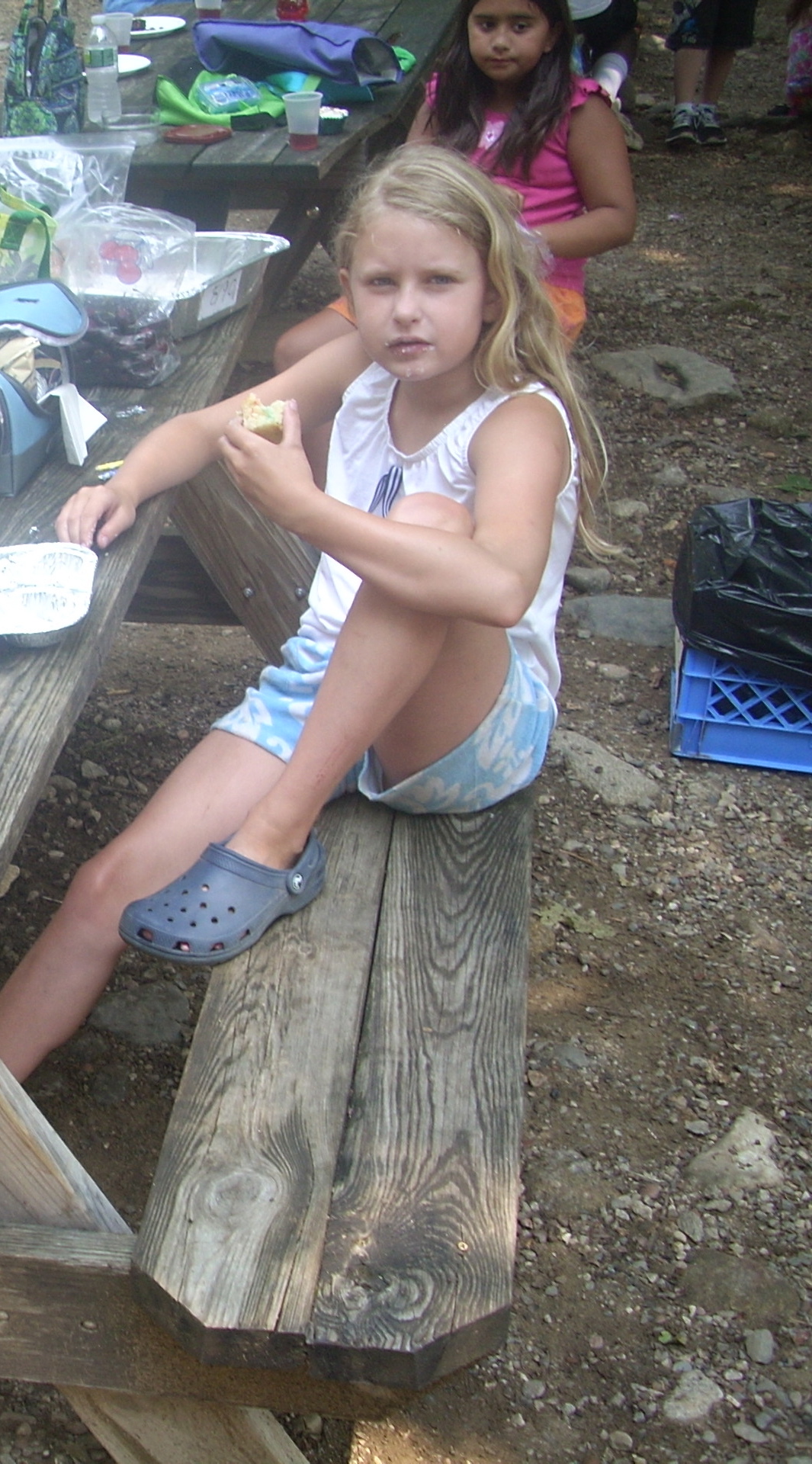
Emma eating lunch at camp
For more on Emma’s journey through a childhood of autism, go to: www.EmmasHopeBook.com

 Emma's Hope Book